
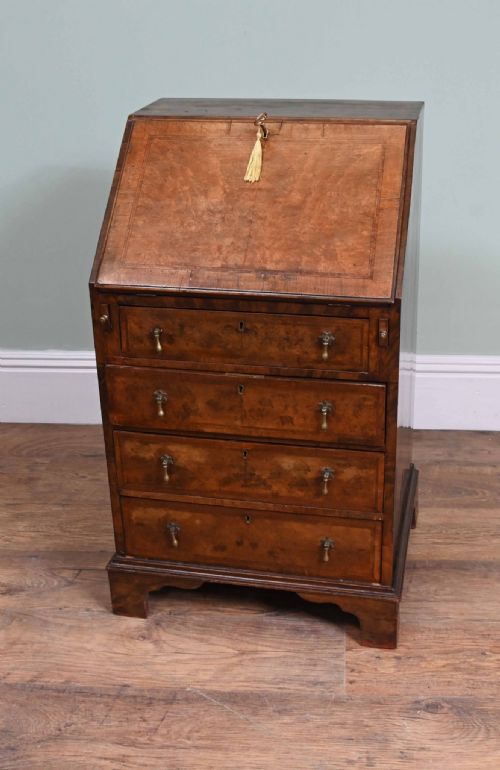

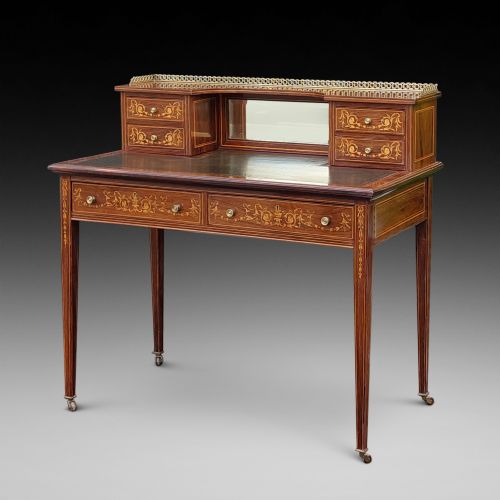


Late Victorian Writing Bureau
A late victorian writing bureau is a sturdy, compartmented domestic desk designed for correspondence, most frequently seen here in oak, walnut, and mahogany from the closing decades of the nineteenth century.
Late Victorian Writing Bureau
A late victorian writing bureau encompasses fitted timber desks and fall-front writing cabinets produced during the late nineteenth century and the early Edwardian transition. These pieces combine a dedicated writing surface with internal pigeonholes and small drawers for stationery.
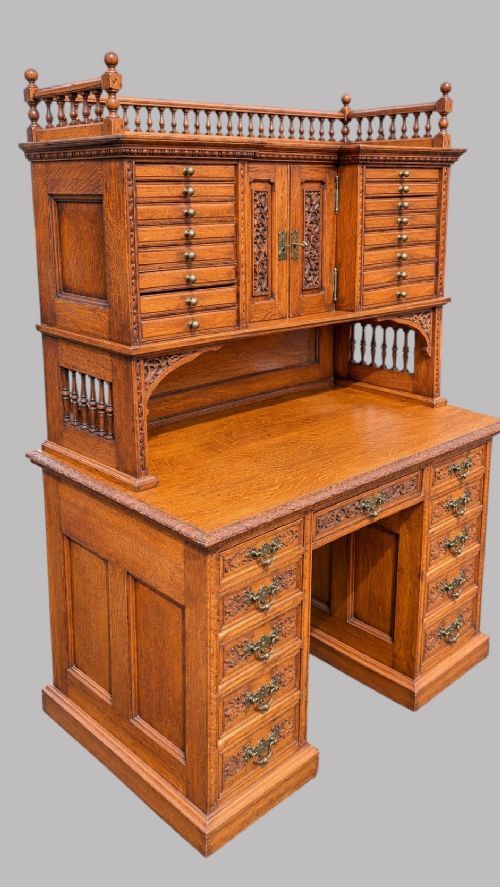
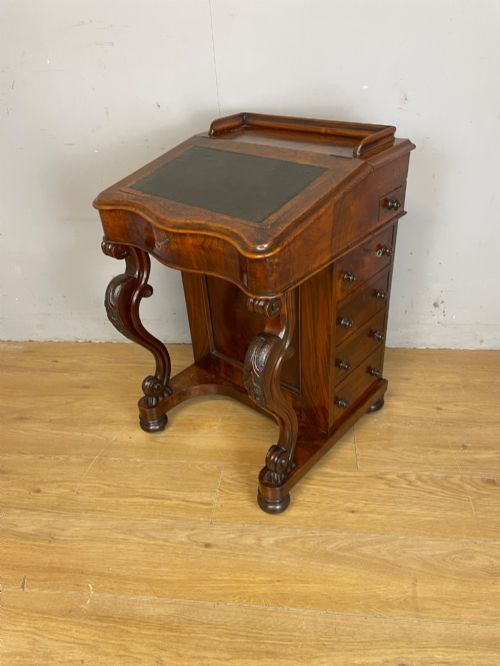
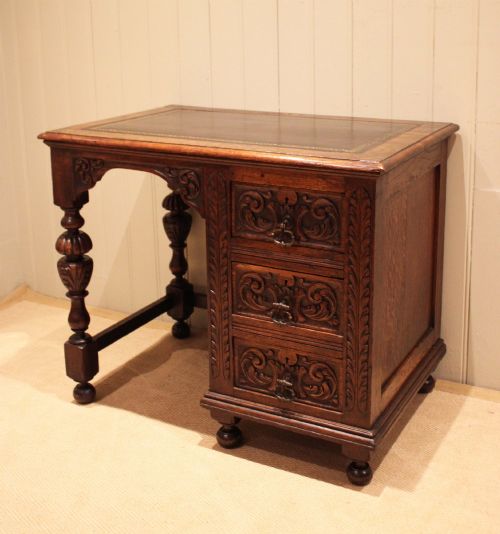
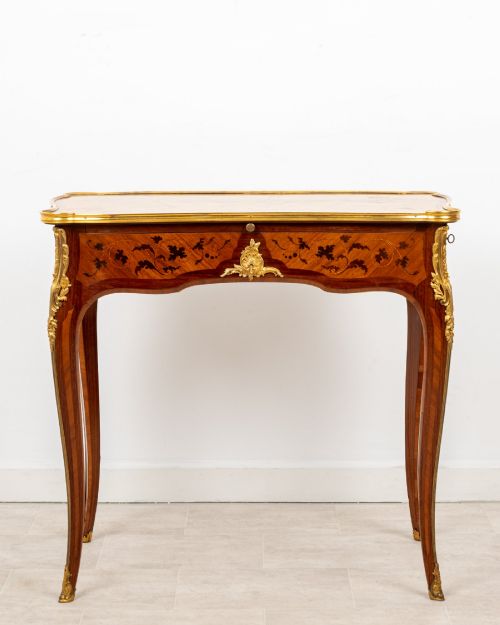
The pieces on this page appear in various timber forms, ranging from modest oak kneehole desks and walnut Davenport desks to satinwood cylinder desks and inlaid rosewood secretaire abattants. Makers also produced tall bureau bookcases and bureau cabinets that integrated enclosed shelving above the writing compartment.
Stylistic influences span standard Victorian production alongside revivalist tastes such as Sheraton Revival, Louis XV, George II style, and the Aesthetic Movement. Buyers frequently encounter smaller compact models intended for ladies' boudoirs alongside substantial commercial roll-top and kneehole desks.
What separates the finest examples
Quality rests upon the selection of timber veneers and the precision of the marquetry or inlay work across the fall-front and drawer fronts. Grain matching and the integrity of secondary hardwoods determine the structural durability of the piece.
Interior architecture distinguishes standard production from superior workshops, visible in the complexity of internal stationery drawers, secret compartments, and fitted pigeonholes. The crispness of carved details and the inclusion of documented maker stamps elevate particular examples.
The furniture styles represented span standard Victorian production alongside Sheraton Revival, Louis XV, Aesthetic Movement, and Arts and Crafts designs.
Maple & Co·Edwards & Roberts·Thomas Turner·Liberty of London
The Late Victorian Writing Bureau Glossary
- Bureau
- A desk featuring a hinged sloping flap that opens to reveal a fitted interior of small drawers and pigeonholes. This form provides a concealed writing surface when closed.
- Secretaire Abattant
- A tall wall-mounted or freestanding cabinet with a drop-front writing panel concealing internal compartments. These vertical pieces save floor space while offering substantial storage.
- Davenport Desk
- A compact pedestal desk featuring a sloping top and side drawers accessed from a seated position. The pedestal typically contains a bank of functional drawers.
- Cylinder Desk
- A desk featuring a rolling curved wooden cylinder that retracts to expose the writing slide and interior fittings. This mechanism encloses the entire desk surface.
- Kneehole Desk
- A freestanding desk with a central recess for the user's legs, flanked by pedestals of small drawers. This layout provides a stable central workspace.
Late Victorian Writing Bureau: Frequently Asked Questions
How do I identify periods and styles?
Identifying these desks involves examining the primary timbers, secondary woods, and decorative revival styles such as Sheraton Revival, Louis XV, and the Aesthetic Movement. Construction methods and hardware types also assist in confirming late nineteenth-century origins.
Makers working during this era often drew inspiration from earlier eighteenth-century designs while incorporating contemporary manufacturing techniques and exotic veneer combinations.
How should I care for timber surfaces?
Preserving these wooden desks requires maintaining stable room humidity and keeping surfaces away from direct sunlight to protect delicate veneers and leather writing inserts. Regular dusting with a soft dry cloth prevents dirt accumulation on carved details and polished finishes.
Avoid applying silicone-based polishes, opting instead for traditional beeswax formulations sparingly applied to nourish the antique timber.
How were these desks used?
These desks served as domestic workstations for writing letters, managing household accounts, and storing personal documents. The internal pigeonholes and small drawers kept stationery and ink supplies organised.
The lockable fall-front panels ensured that private correspondence and financial records remained secure when the desk was not in use.