



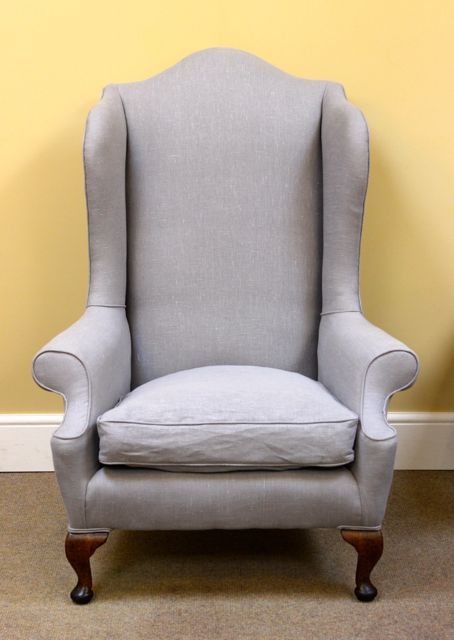


Late Victorian Wing Chair
A late victorian wing chair brings deep comfort and formal presence to a room, offering high sides that block draughts and cradle the sitter.
Late Victorian Wing Chair
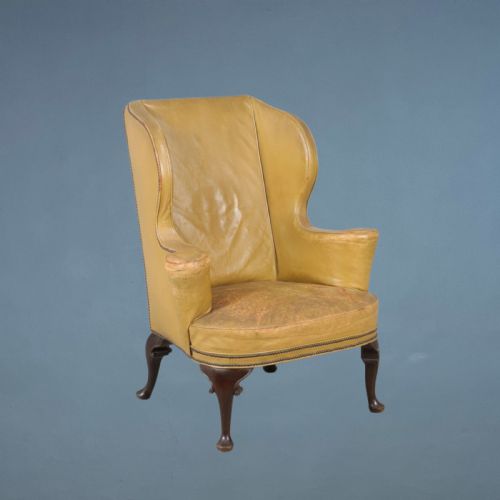
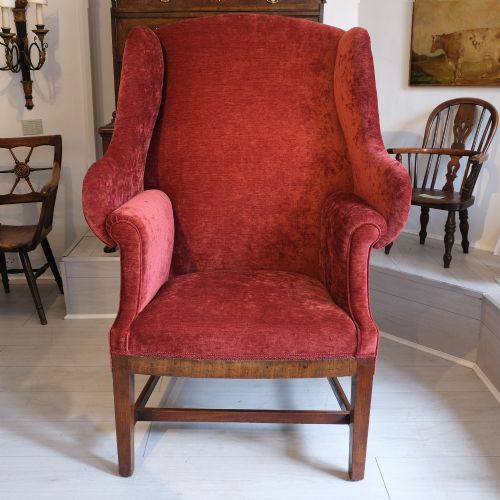
A late victorian wing chair is an upholstered armchair designed with protective side panels, known as wings, attached to the back and arms. These seats emerge predominantly from the nineteenth century, with construction dates stretching from about 1880 to 1900. You will frequently find them rendered in substantial timber frames and deep upholstery.
The pieces on this page draw on earlier design vocabulary, appearing in styles like Queen Anne revival and Georgian interpretation alongside straightforward victorian forms. Walnut and mahogany predominate in the exposed woodwork, supporting substantial upholstered bodies. Armchairs form the entirety of the selection, ranging from standard proportions to generous library scales.
Materials and construction
Makers built the structural frameworks using hardwoods such as mahogany and walnut, occasionally noted simply as timber. These woods provide the rigidity needed to support the high back and deep seat springing.
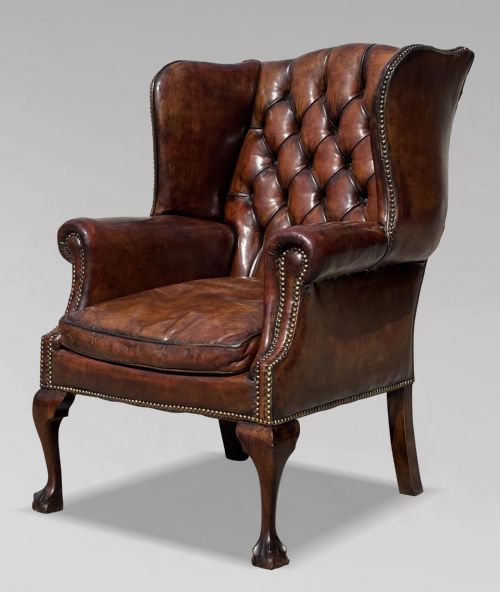
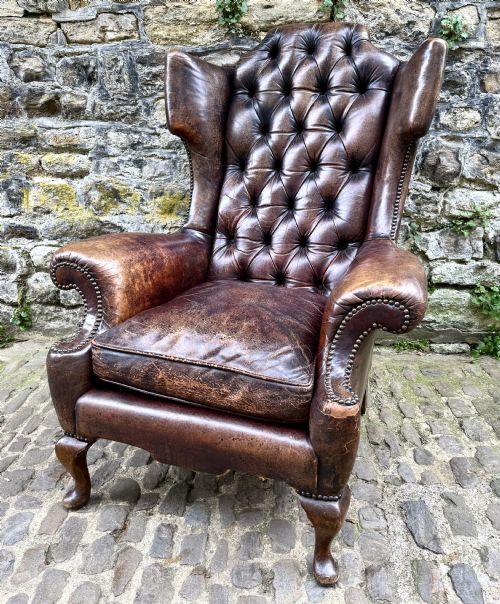
Upholstery defines the character of the seating, utilising leather, linen, velvet, and damask. Detail work often incorporates brass tacks and buttoning to secure the fabric and accentuate the lines of the wings and arms.
Late Victorian Wing Chair Retail Price Guide 2026
Typical asking prices for late victorian wing chair among the pieces listed under this phrase on Sellingantiques today, from the lower quarter to the upper quarter. They describe what is for sale here now, not the wider market.
Some chairs wait patiently for a new life, offered specifically for re-upholstery.
Distinctions in craftsmanship
Quality rests upon the integrity of the timber frame and the depth of the original materials. Pieces featuring substantial walnut or mahogany frames and well-preserved leather or linen demonstrate superior initial manufacture.
The refinement of the carving on the legs and the fidelity to historical styles like Queen Anne design separate standard examples from finer commissions. Proportions also matter, with larger library chairs and matched pairs demanding closer attention to detail.
Whytock and Reid·Morris and Co
The Late Victorian Wing Chair Glossary
- Wing back
- An upholstered armchair back featuring projecting side panels designed to shield the occupant from draughts. These panels transition smoothly into the padded arms.
- Buttoning
- A method of upholstery where recessed buttons are pulled tight into the padding to create a uniform pattern of diamonds. This technique secures the stuffing and adds texture to leather or fabric covers.
- Queen Anne revival
- A design style drawing inspiration from early eighteenth-century English furniture forms. Pieces in this mode often display characteristic cabriole legs and restrained woodwork.
- Damask
- A reversible patterned fabric traditionally woven on a jacquard loom with silk, linen, or wool. It offers a subtle sheen and textured motifs suitable for formal seating.
Late Victorian Wing Chair: Frequently Asked Questions
What is a late victorian wing chair?
A late victorian wing chair is an upholstered armchair featuring high side panels designed to block draughts. They date from the late nineteenth century and combine substantial timber frames with deep padding.
These pieces draw on earlier revival styles while serving as comfortable seating for studies and libraries.
How do I identify the wood used?
You can inspect the exposed legs and framework for the rich grain patterns typical of mahogany or walnut. Timber frames are built to support the heavy internal springing of the seat.
Comparing the colour and weight of the wood helps distinguish between the primary hardwoods used by makers of the period.
Were these chairs used in libraries?
Large leather examples frequently served as library chairs due to their durable coverings and imposing scale. The high wings provided privacy and comfort for reading.
Such pieces often appear with deep buttoning and brass tacks to complement traditional study interiors.
What fabrics cover these chairs?
Upholstery materials include leather, linen, velvet, and damask. Leather options often feature original burgundy or brown tones secured with brass tacks.
Fabric choices range from neutral linen covers to patterned textiles reflecting period taste.