

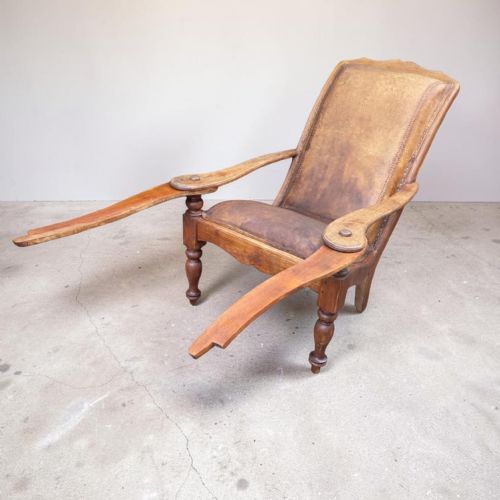
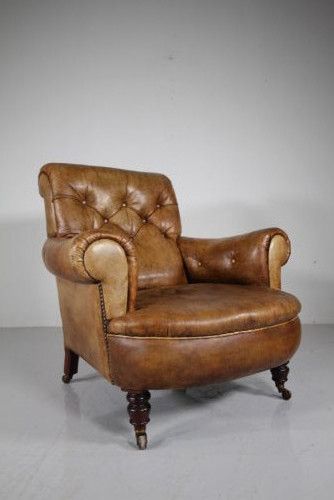
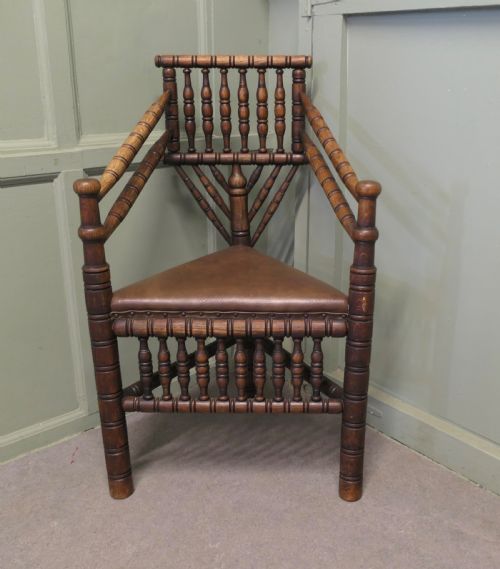
19th Century Leather Armchair
A 19th century leather armchair brings decades of heavy timber frames and patinated hide together for a grounded, tactile seat.
19th Century Leather Armchair
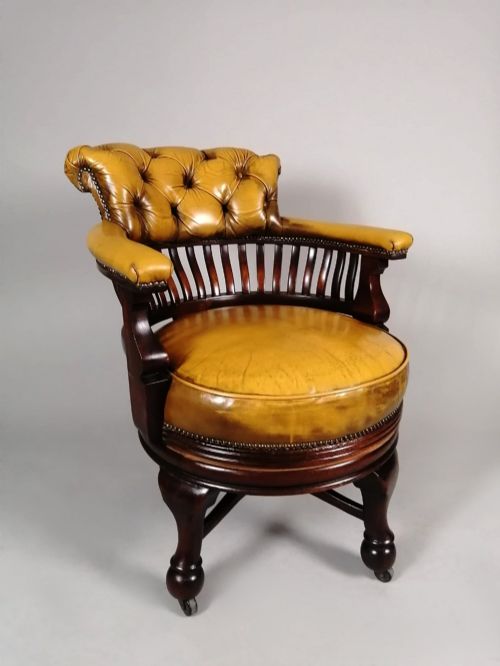
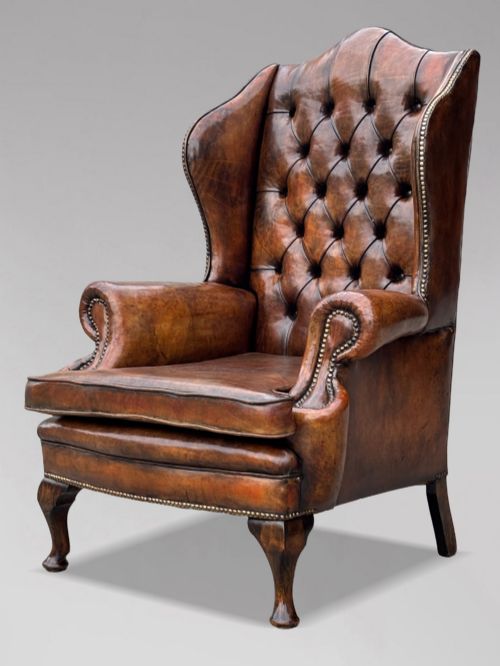
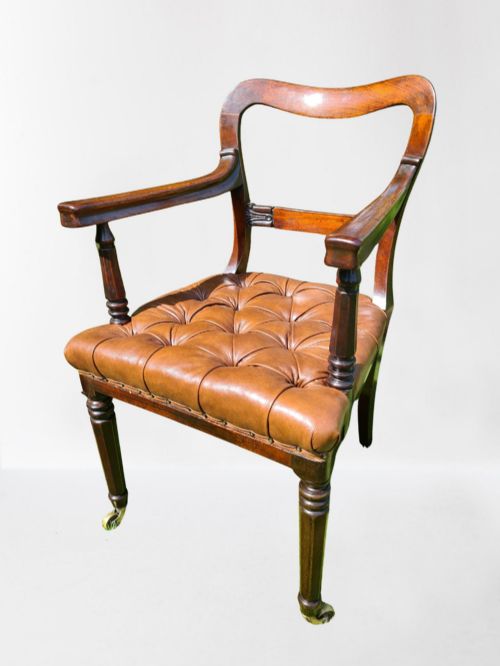
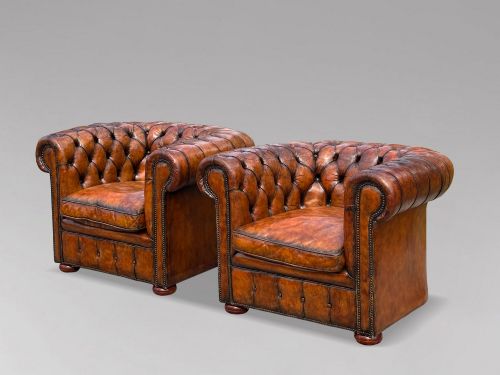
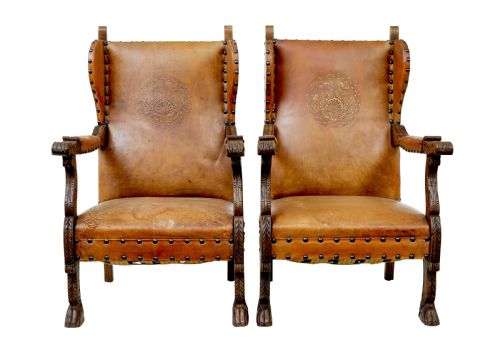
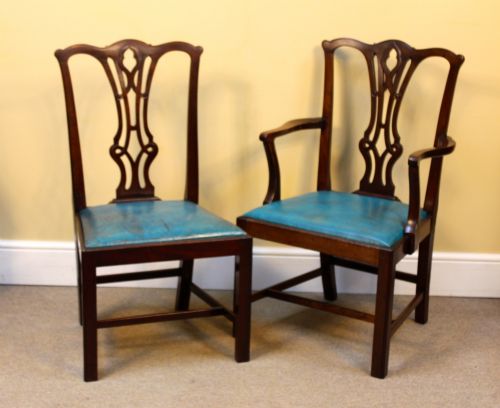
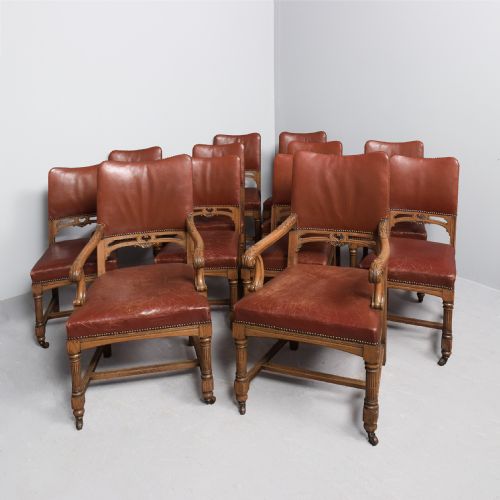
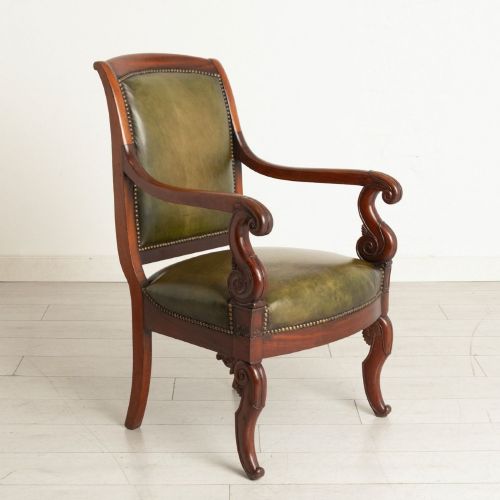
A 19th century leather armchair encompasses diverse seating forms built across the Victorian, Regency, and William IV periods, ranging from library desk chairs to deep Chesterfield club seats. Most examples encountered here combine solid timber frames in mahogany, oak, or walnut with original or replaced leather upholstery.
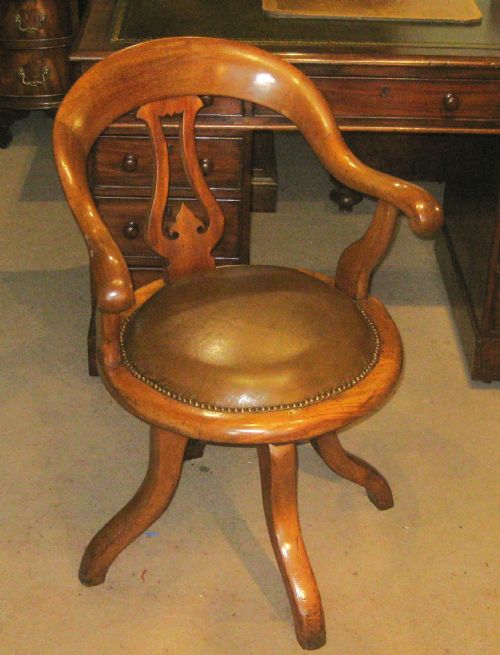
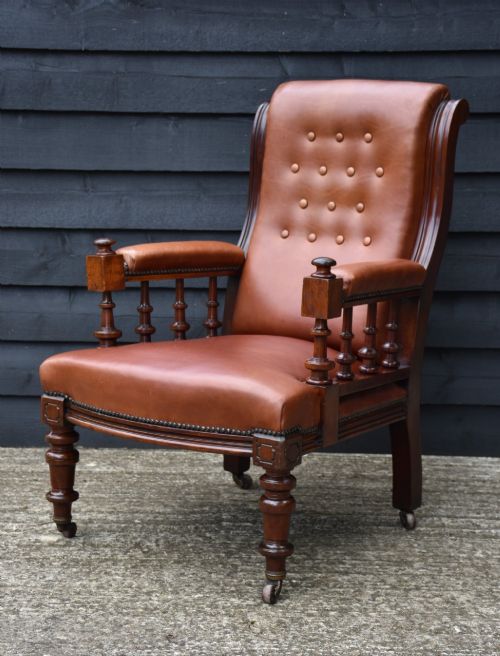
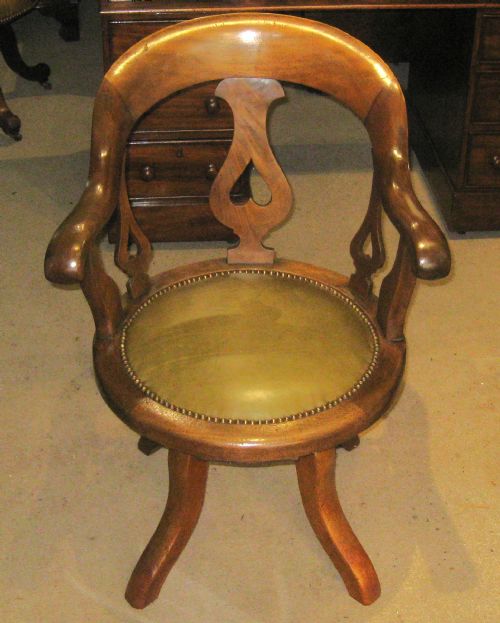
Buyers frequently find heavy library armchairs, button-back wing chairs, and revolving desk chairs produced in Britain and France. These seating pieces served distinct domestic and professional functions, from study spaces to grand drawing rooms.
How they were made
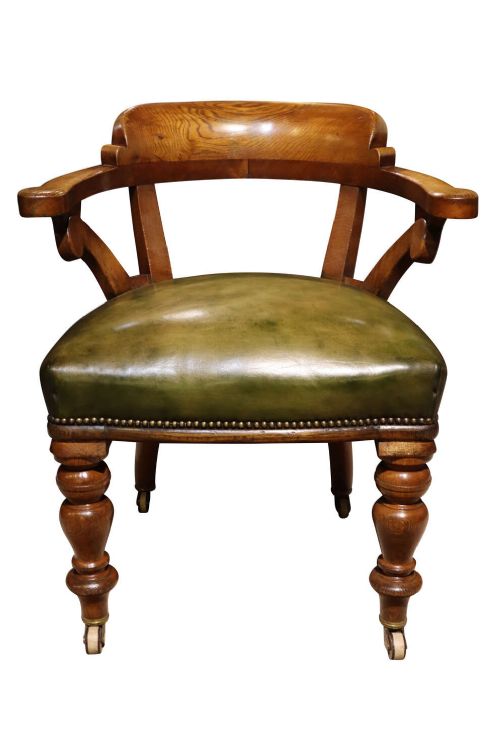
Frames rely on dense hardwoods such as mahogany, oak, walnut, and rosewood, joined with traditional carpentry methods to support heavy daily use. Turnings, carvings, and brass inlay define the woodwork, while castors often provide mobility.
Upholstery involves stretched leather - frequently Moroccan, brown, red, or green hide - secured with brass tacking and deep buttoning over coil-sprung or stuffed interiors.
19th Century Leather Armchair Retail Price Guide 2026
Typical asking prices for 19th century leather armchair among the pieces listed under this phrase on Sellingantiques today, from the lower quarter to the upper quarter. They describe what is for sale here now, not the wider market.
Listings feature mahogany, oak, walnut, and rosewood frames paired with brass hardware and leather upholstery.
What varies in quality
The architectural presence of the timber frame dictates the baseline standard, separating straightforward utilitarian seating from sculptural library armchairs with generous proportions and refined carved details. Dense timbers like mahogany and walnut show sharper joinery and deeper patination than standard hardwoods.
Leather selection and upholstery depth distinguish everyday examples from maker-stamped pieces. Richly grained hide, careful hand-tooling, and substantial buttoning elevate the physical authority of the armchair.
Howard and Sons·Cope and Collinson
The 19th Century Leather Armchair Glossary
- Chesterfield
- A deep-buttoned upholstered seating style associated with low backs and rolled arms. This form provides a low, supportive lounge experience.
- Bergere
- An enclosed wooden armchair with upholstered sides and back. The frame typically exposes polished timber around the padded areas.
- Castor
- A small wheel fitted to furniture legs for ease of movement. Brass versions are common on heavy library and desk chairs.
- Wingback
- An armchair featuring protective side panels designed to shield the occupant from drafts. Buttoned leather variants dominate the 19th century selections.
19th Century Leather Armchair: Frequently Asked Questions
How do I identify a library armchair?
Library armchairs are generally built with substantial timber frames in mahogany, oak, or walnut, paired with durable leather upholstery suited for heavy daily use.
They often feature generous proportions, open arms, and sometimes brass castors for moving across study floors.
What is a club armchair?
A club armchair is a deep, low-slung lounge seat upholstered in thick leather, designed for comfort in studies or smoking rooms.
These pieces frequently display buttoning and rich brown or red hides developed through decades of handling.
How do I care for antique leather?
Antique leather requires gentle conditioning to maintain flexibility and prevent the natural hide from drying out over time.
Avoid direct sunlight and modern chemical cleaners to preserve the original patination and colour.
Are desk chairs adjustable?
Nineteenth-century desk chairs often utilise a revolving mechanism supported on a timber or metal pedestal base.
Some variants include tilting actions or height adjustments suited for nineteenth-century writing tables.