




Late Victorian Vanity Table
A late victorian vanity table brings together mirrors, mahogany, and marble to anchor a bedroom with period practicality.
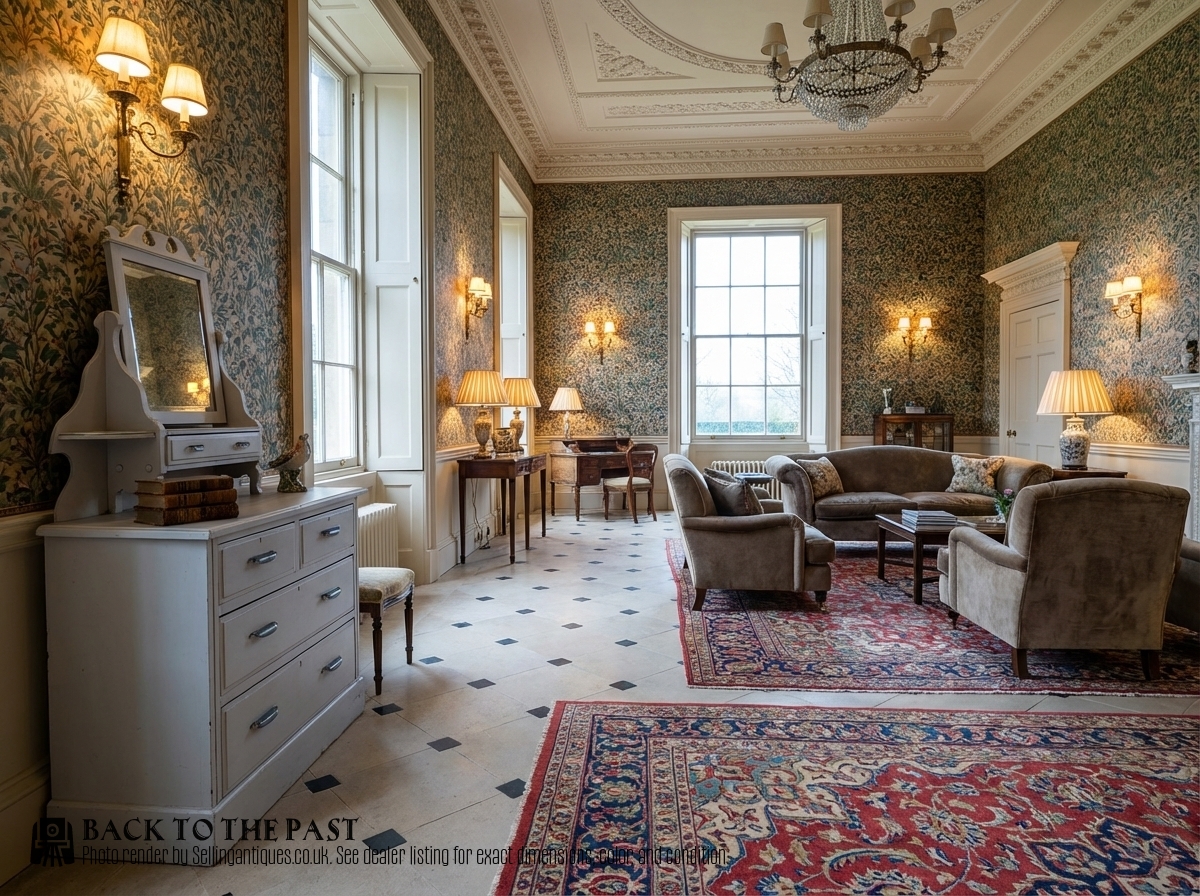
Late Victorian Vanity Table
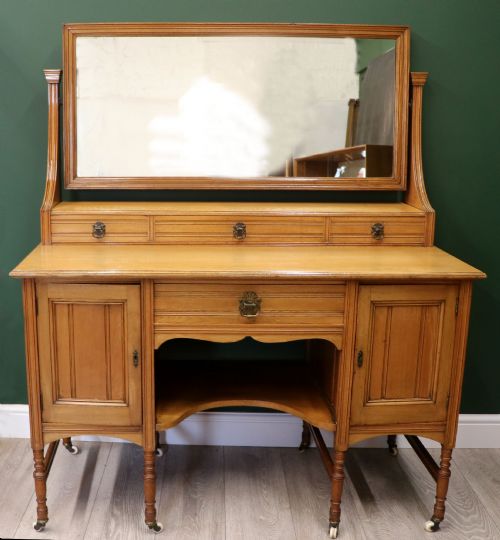
A late victorian vanity table encompasses dressing tables, washstands, and dressing chests produced across the late nineteenth and early twentieth centuries. These pieces emerge in styles ranging from straightforward mahogany pedestals to Arts and Crafts oak and French-influenced painted satinwood.
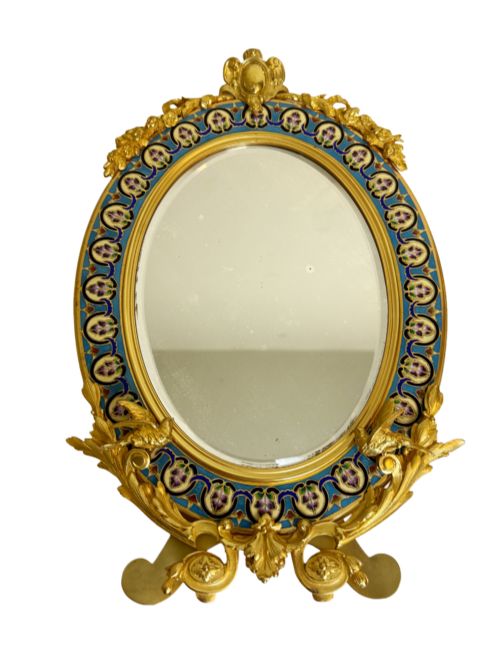
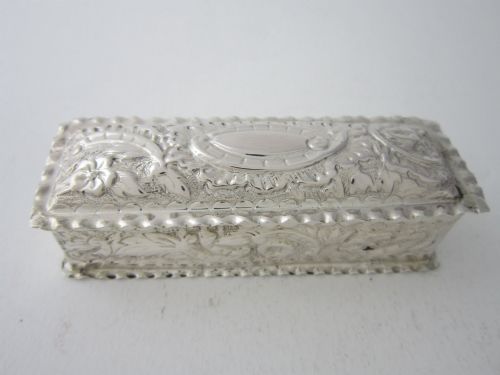
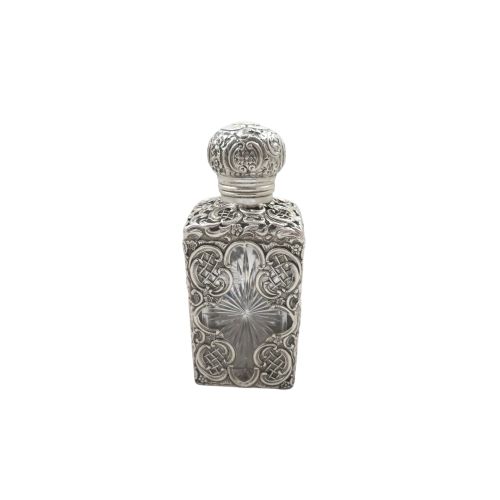
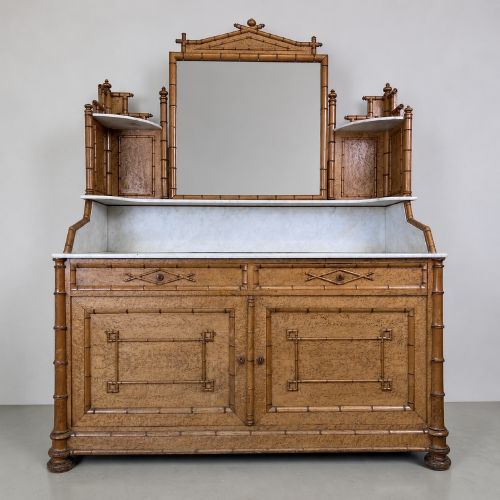
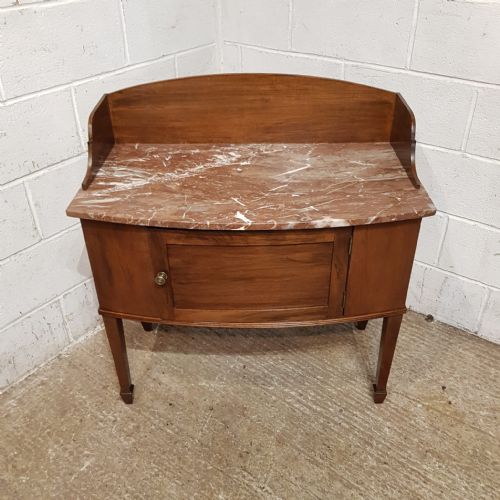
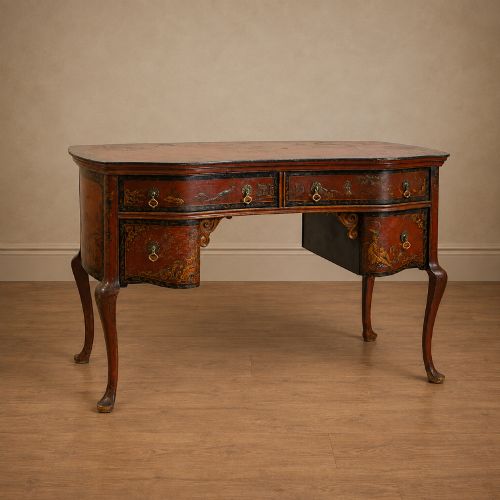
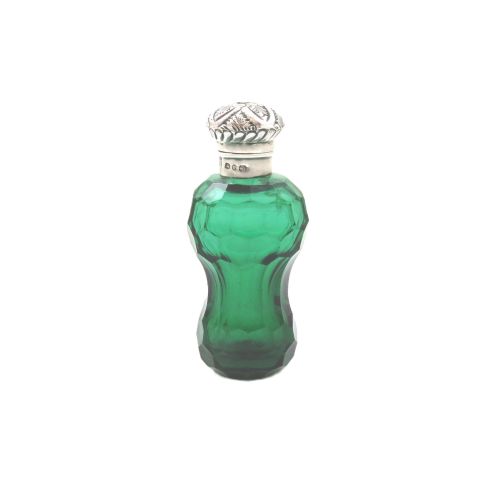
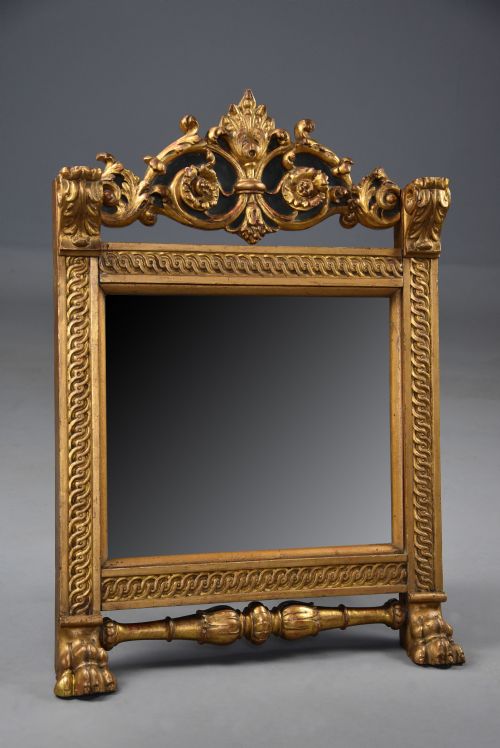
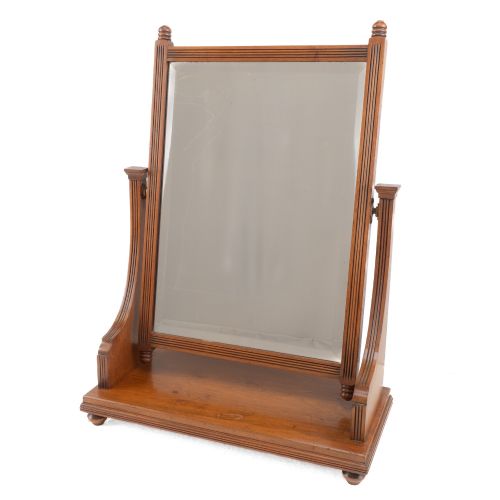
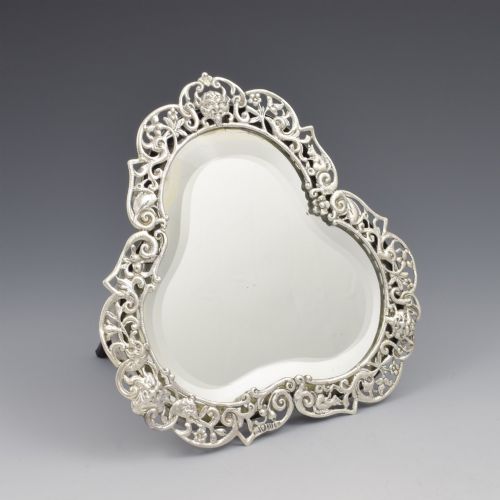
The buyer meets variations including kidney-shaped desks, marble-topped washstands, and Duchess dressing tables fitted with swing mirrors. Many incorporate related accessories such as table mirrors, sterling silver scent bottles, and trinket boxes.
Originating largely within Victorian and Edwardian workshops, these items reflect the domestic routines of their era through specialised drawers, compartments, and integrated brass or gilt-bronze hardware.
Materials and Techniques
Cabinetmakers utilised dense timbers such as mahogany, walnut, satinwood, and oak, frequently pairing them with marble tops and brass or gilt-bronze mounts. Construction often involved dovetail joinery for drawers and turned or faux-bamboo framing for structural supports.
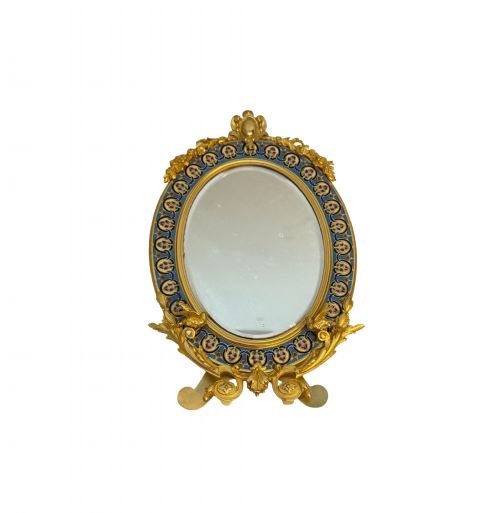
Decorative surface treatments included hand-carving in Renaissance and Rococo revival styles, champleve enamel work, lacquered Chinoiserie, and applied stencilled decoration. Glass was utilised for bevelled swing mirrors, trinket box panels, and cut-glass perfume bottles.
Several vanity sets include miniature sterling silver scent bottles designed for travelling Victorian dressers.
Distinctions in Execution
Quality rests upon the selection of timber and the precision of decorative execution, separating standard production pieces from workshop-attributed examples. The integration of high-grade materials like rouge marble, champleve bronze, or hand-painted satinwood elevates a piece above simpler utilitarian forms.
Construction integrity defines the upper tier, seen in smooth drawer movement, original brass hardware, and well-preserved stencilled or carved ornamentation. Pieces retaining their matching swing mirrors and original glass demonstrate greater wholeness.
Wright & Hunter of Belfast·Harris Lebus of London·Carlton Ware
The Late Victorian Vanity Table Glossary
- Duchess dressing table
- A large dressing table featuring a central swing mirror flanked by smaller drawers or trinket boxes. This form gained popularity during the nineteenth century for bedroom use.
- Washstand
- A wooden piece of furniture topped with marble designed to hold washbasins and pitchers. Examples from this period often include tiled splashbacks.
- Champleve
- An enamelling technique where recessed areas are carved into bronze and filled with vitreous enamel. It appears frequently on decorative mirrors and vanity accessories.
- Faux-bamboo
- Wood turned and painted to imitate natural bamboo stalks. This decorative technique reflects nineteenth-century taste for exotic styles.
Late Victorian Vanity Table: Frequently Asked Questions
How do I identify a late victorian vanity table?
Look for characteristic nineteenth-century timber choices such as mahogany, walnut, and satinwood combined with swing mirrors or marble tops. Period markers also include stylistic influences like Arts and Crafts joinery or French decorative motifs.
Construction methods such as hand-dovetailed drawers and brass hardware help distinguish these pieces from later reproductions.
Were washstands used as vanity tables?
Washstands were originally built to hold ceramic basins and water jugs for morning hygiene routines. Their marble tops and storage cupboards made them durable surfaces for daily grooming.
Today, many buyers utilise these marble-topped pieces as vanity tables or hallway surfaces.
What is a Duchess dressing table?
A Duchess dressing table is a substantial vanity form featuring a large central mirror supported by small accessory drawers. They provide generous surface area and dedicated storage for nineteenth-century cosmetics and hair items.
These pieces typically stand on pedestal bases or tuned legs connected by stretchers.
How should I care for marble tops?
Marble surfaces require gentle cleaning with warm water and a soft cloth to preserve the polished finish. Avoid acidic substances that can etch the stone over time.
Routine dusting and avoiding harsh chemical cleaners keep the material in stable condition.