
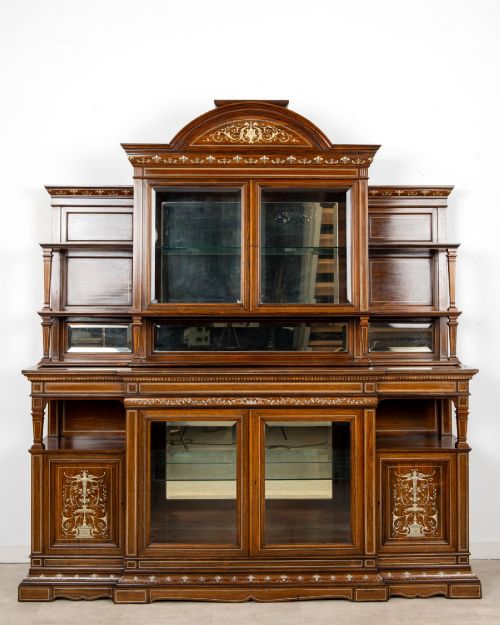
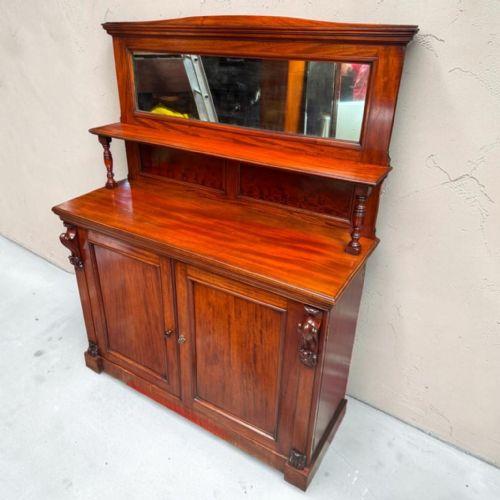
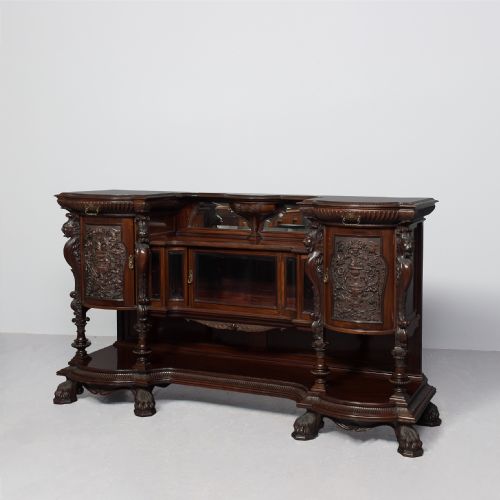
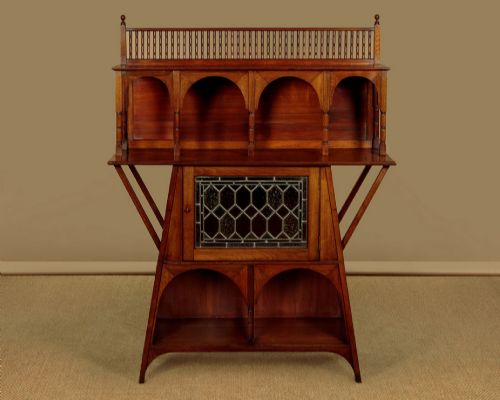
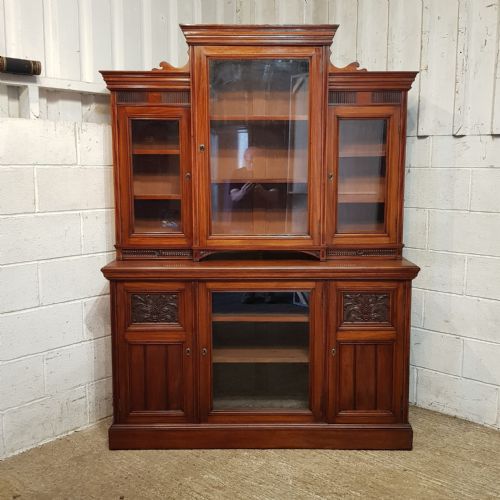
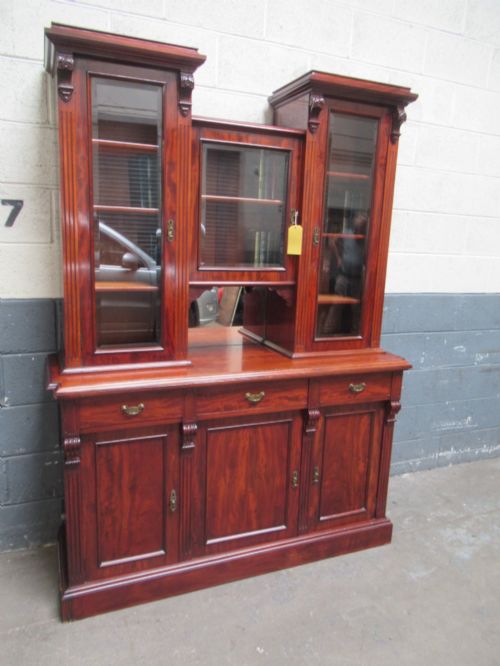
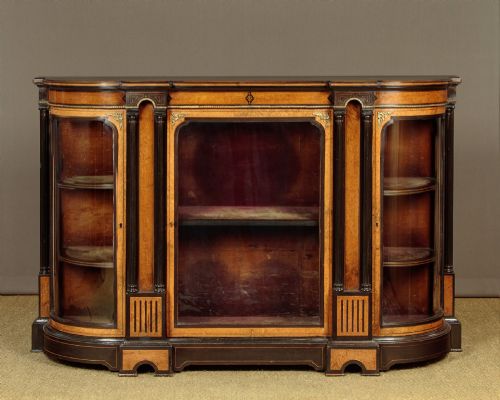
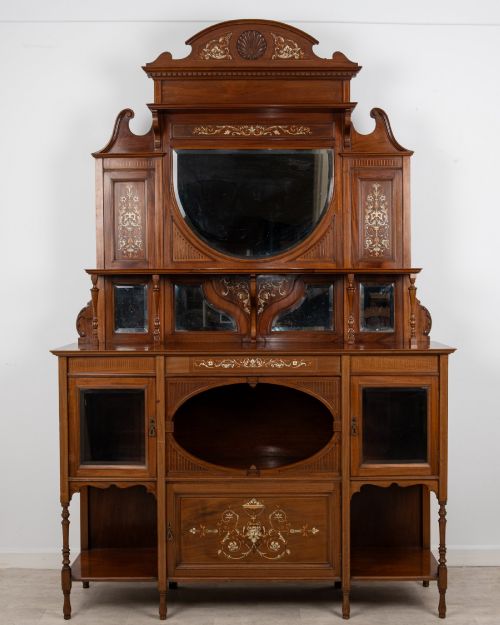

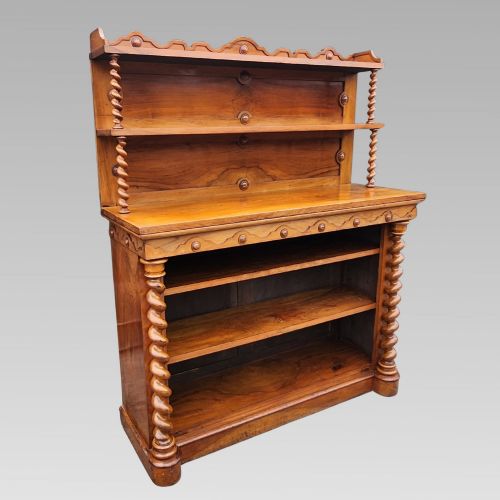


Late Victorian Sideboard Cabinet
These late victorian sideboard cabinet pieces bring architectural presence and solid timber storage to a room, drawing on revival styles and rich cabinet-making traditions.
Late Victorian Sideboard Cabinet
A late victorian sideboard cabinet combines the display and storage functions of sideboards, credenzas, and upright cabinets into substantial furniture pieces. These items emerge from the final decades of the nineteenth century, spanning various revival designs and regional workshops.
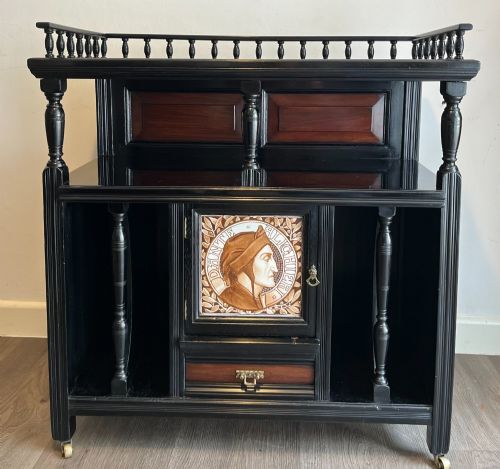
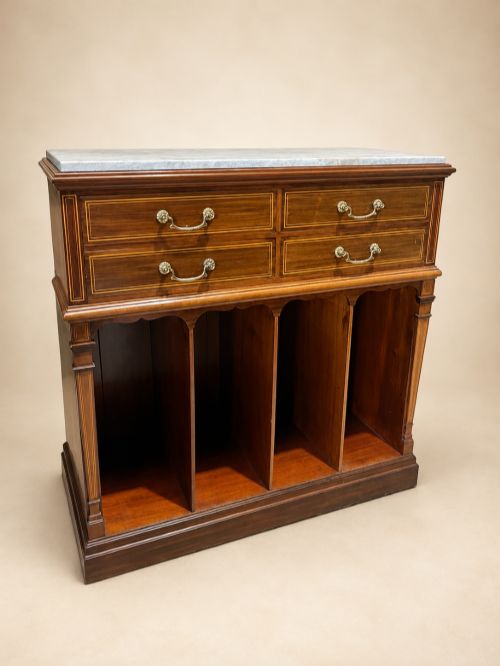
The selections on this page appear in forms such as breakfront bookcases, mirror-back sideboards, marble-top washstands, and narrow dresser bases. Oak, mahogany, and walnut dominate the structural choices, often enriched with glass panels and brass hardware.
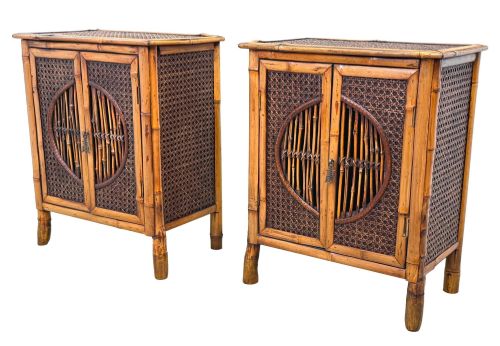
Buyers encounter distinct stylistic directions within this group, including Gothic Revival, Aesthetic Movement, Sheraton Revival, and Arts and Crafts aesthetics. Pieces range from compact table-top cupboards to large four-door bookcase cabinets.
Materials and construction methods
Cabinet-makers of the period relied on dense hardwoods like oak, mahogany, walnut, and rosewood for primary structures, occasionally utilising satinwood, bamboo, and pine for specific decorative effects. Timber was selected for grain pattern and strength, forming heavy carcasses designed to endure.
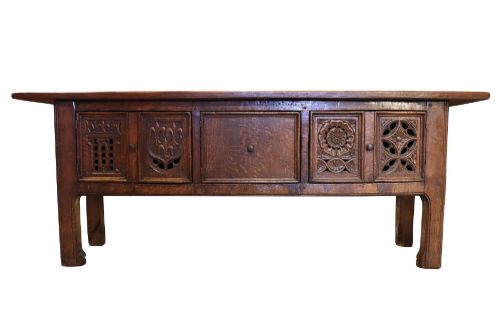
Surface ornamentation involved intricate hand-carving, such as Green Man motifs and Gothic tracery, alongside marquetry, inlay, and ebonisation. Glass insertion, mirrored panels, and marble tops completed the material vocabulary of these functional storage units.
Listings demonstrate a strong preference for oak and mahogany, complemented by decorative touches of glass, brass, mirror, walnut, rosewood, and satinwood.
Distinguishing quality in period cabinetry
Quality rests in the precision of the joinery and the selection of timber veneers, where superior examples exhibit seamless matching and stable construction. Finer pieces demonstrate depth in hand-carved details and careful integration of auxiliary materials like brass fittings and bevelled mirror glass.
Design coherence separates standard utility furniture from distinguished workshop production. The balance of proportions, integrity of inlay work, and retention of original surface finishes dictate the standing of a cabinet within the period.
Collinson & Lock·Liberty & Co.·Garnett & Sons
The Late Victorian Sideboard Cabinet Glossary
- Breakfront
- A piece of furniture with a central section that projects forward from the flanking sections. This configuration adds architectural depth to large bookcases and sideboards.
- Credenza
- A low cabinet or sideboard, frequently featuring glass doors or display sections. Originating as a serving table, it evolved into a formal dining room or parlour piece.
- Marquetry
- The art of applying decorative veneer pieces to a structure to form pictorial or geometric patterns. Craftsmen use various tinted woods to create contrasting surface designs.
- Chiffonier
- A compact sideboard or low cabinet typically fitted with drawers and enclosed shelves below. It gained popularity in Victorian interiors for smaller reception rooms.
- Aesthetic Movement
- A late nineteenth-century design style emphasising visual beauty over narrative subject matter. Pieces often feature ebonised wood, gilded highlights, and stylized floral motifs.
Late Victorian Sideboard Cabinet: Frequently Asked Questions
How do I identify a late victorian sideboard cabinet?
Look for construction traits typical of the late nineteenth century, including dense timber carcasses, machine-sawn components combined with hand-finishing, and characteristic revival styles such as Gothic or Sheraton.
Examine the hardware, secondary woods, and decorative motifs like marquetry or mirror-backs to confirm the period origin.
Where were these cabinets placed in a home?
These pieces served primarily in dining rooms, entrance halls, and parlours to store tableware, display ceramics, and hold books.
Larger mirror-back sideboards occupied prominent positions against dining room walls, while smaller side cabinets and washstands fitted into private chambers and reception rooms.
How do I care for antique timber and marble?
Maintain the wood with gentle cleaning using traditional wax polish to preserve the finish without building up heavy residues. Avoid placing furniture in direct sunlight or near heat sources.
Keep marble tops clean with mild soapy water and dry immediately to protect the stone from staining.
What is the difference between an arts and crafts and a gothic revival piece?
Arts and Crafts pieces emphasise visible construction, simplicity of form, and plain oak surfaces that highlight the natural grain. They reflect a reaction against industrial ornamentation.
Gothic Revival cabinets draw inspiration from medieval architecture, featuring pointed arches, tracery, heavy mouldings, and deep relief carvings.