
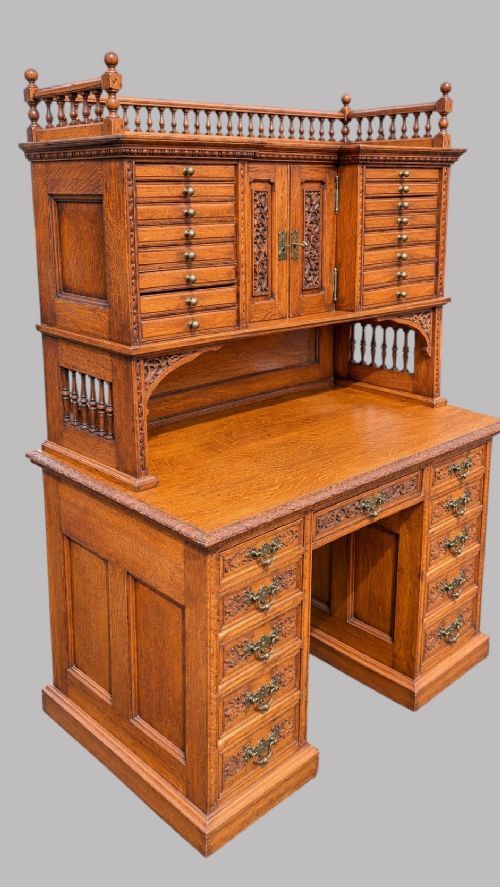
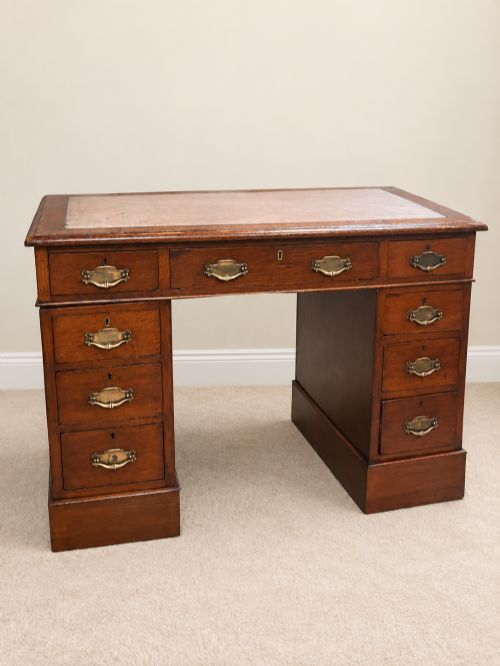
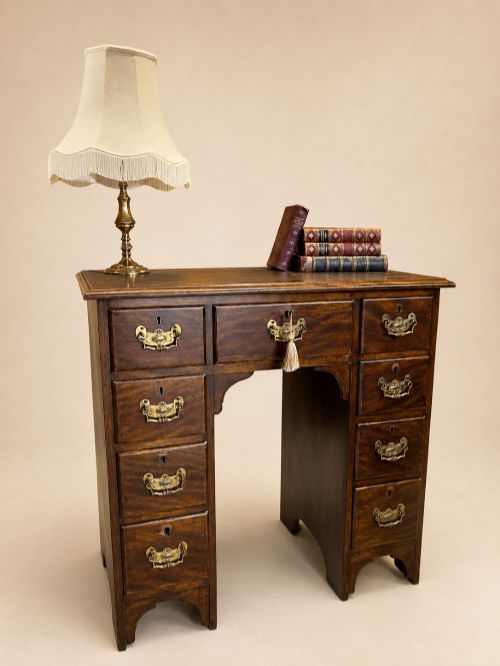
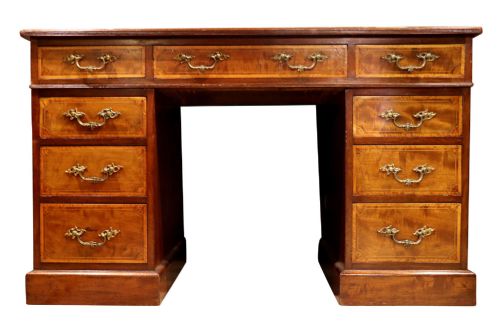


Late Victorian Pedestal Desk
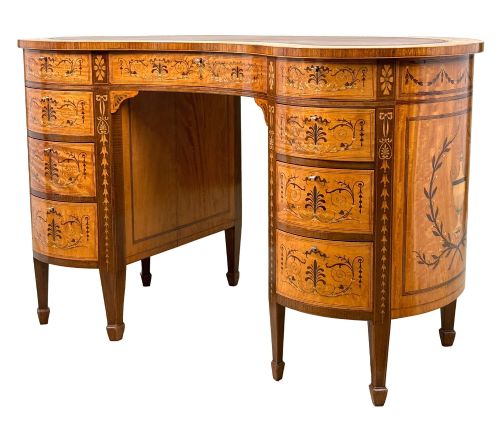
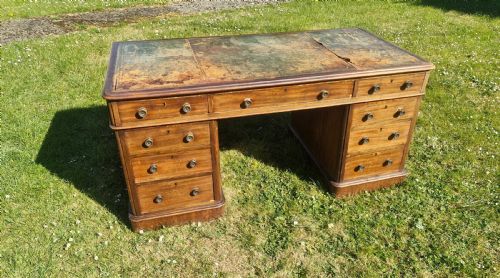
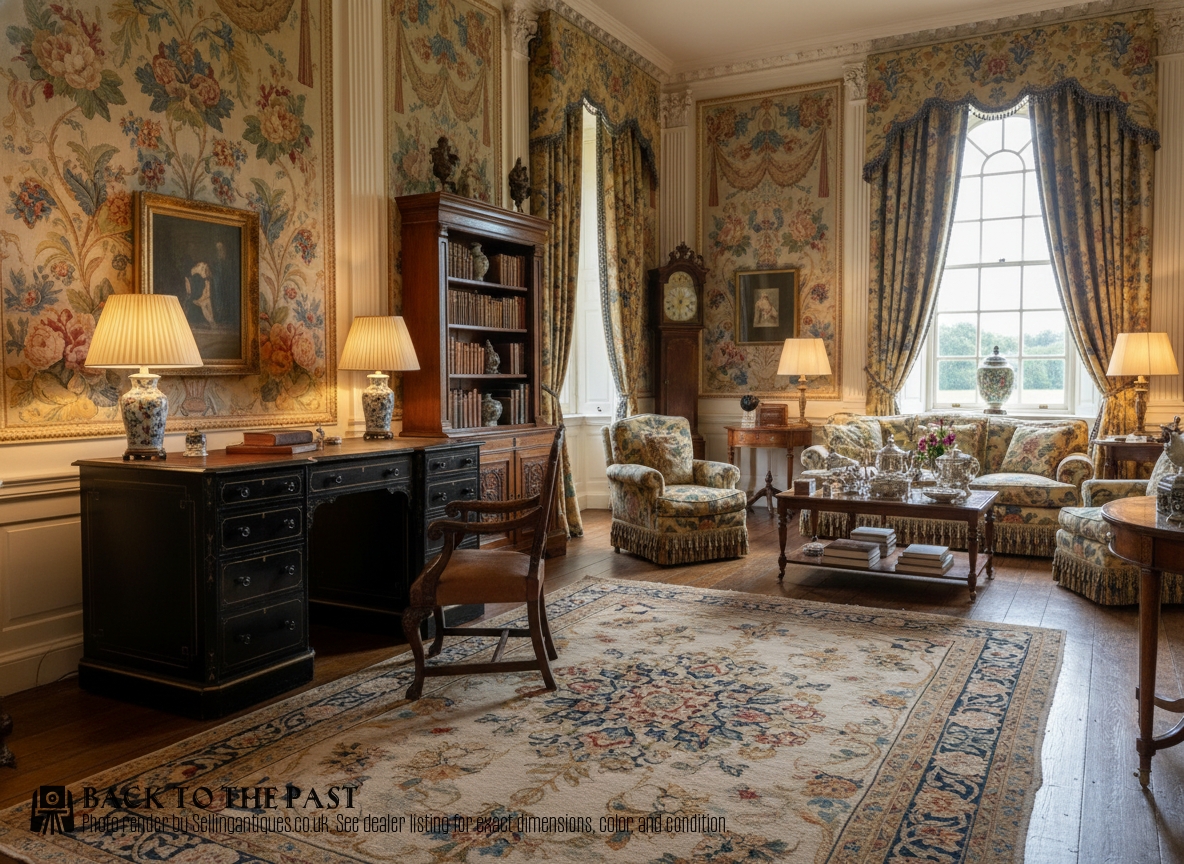
A late victorian pedestal desk offers substantial workspace and classical proportion, bringing nineteenth-century cabinet-making directly into a modern study.
Late Victorian Pedestal Desk
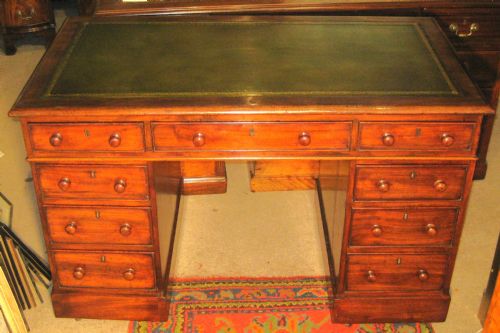
A late victorian pedestal desk typically comprises a twin pedestal base supporting multiple drawers with a central writing surface. These pieces emerge from the nineteenth century, spanning periods from roughly eighteen-eighty to nineteen-hundred.
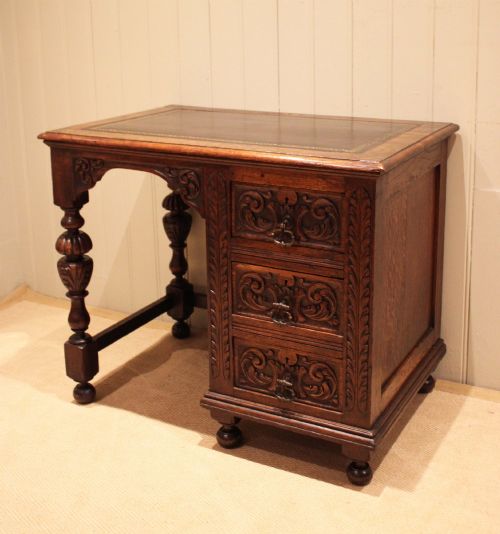
The format ranges from compact kneehole writing tables to large partners desks designed for two users. Oak and mahogany dominate the selection, accompanied by walnut, satinwood, and ash.
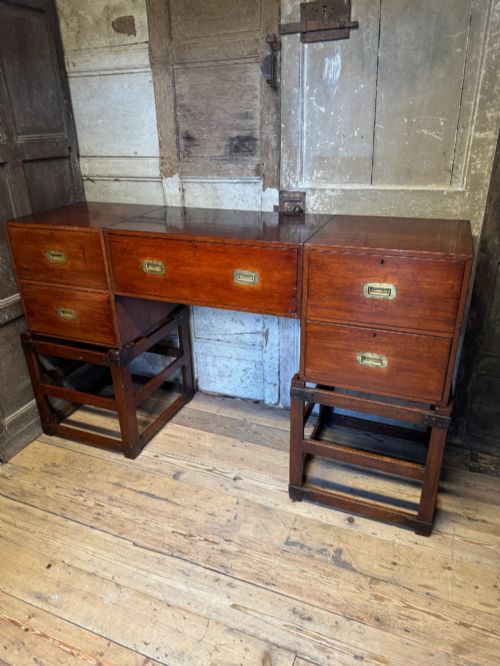
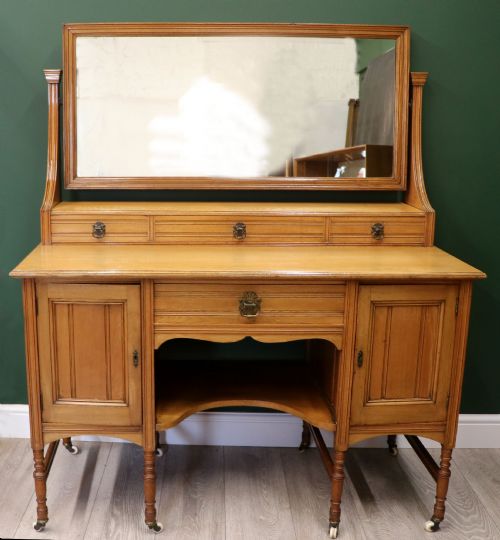
Beyond standard writing configurations, variations include campaign styles with brass hardware and aesthetic movement ebonised finishes. Most examples provide functional drawer layouts alongside inset leather writing surfaces.
How They Were Made
Cabinet-makers constructed these desks using solid timbers like mahogany, oak, and walnut, frequently applying fine veneers to surfaces. Drawers utilised traditional dovetail joints, ensuring durable construction across heavy daily usage.
Writing surfaces incorporated inset leather or Moroccan skivers, often finished with gilt tooling around the perimeter. Hardware typically consisted of brass handles, drop pulls, or campaign-style recessed fittings.
Workshops utilised structural innovations such as three-part modular construction for larger partners desks to ease transportation. Secondary woods like pine appeared in drawer linings and internal framing.
Pedestal desks appear alongside dressing tables, partners desks, and library tables in the archive.
What Varies in Quality
The caliber of a late victorian pedestal desk rests upon timber selection and secondary wood usage. Dense, well-figured mahogany or quarter-sawn oak distinguishes superior examples from simpler utilitarian pieces.
Construction details such as hand-cut dovetailing, original brass hardware, and intact leather skivers elevate a desk's standing. Maker stamps from established firms indicate workshop execution of higher distinction.
Proportion and scale dictate visual success, where well-balanced pedestals harmonize with the central writing section without feeling overly heavy.
Edwards & Roberts·Maples·Merryweather & Son
The Late Victorian Pedestal Desk Glossary
- Pedestal desk
- A freestanding writing table comprising two separate drawer pedestals supporting a top board. The central space between the pedestals forms the kneehole.
- Partners desk
- A large double-sided pedestal desk featuring banks of drawers on both faces. This configuration allowed two individuals to work opposite each other.
- Skiver
- A panel of leather or sheepskin inset into the top of a desk to provide a smooth writing surface. These inserts frequently feature decorative gilt tooling.
- Kneehole desk
- A compact writing desk featuring a recessed central space for the user's legs beneath a single drawer. Smaller versions suit restricted domestic spaces.
- Campaign desk
- Portable military furniture designed for disassembly, featuring recessed brass handles and robust timber construction. These desks were built for transport during nineteenth-century campaigns.
Late Victorian Pedestal Desk: Frequently Asked Questions
What is a partner desk?
A partners desk is a large twin pedestal desk finished with drawers or cupboards on both sides. This symmetrical design allowed two people to sit opposite each other and work simultaneously.
These pieces typically measure larger than standard single-sided variants and served administrative functions in institutional or large domestic settings.
How do I maintain leather desk tops?
Leather desk tops require gentle cleaning using slightly damp cloths followed by specialist leather balms or waxes. Avoid harsh chemical cleaners that strip the original dye and gilt tooling.
Regular conditioning prevents the leather from drying out and cracking under normal daily use.
Are these desks easy to move?
Many larger pedestal desks and partners desks were constructed in three separate modular sections consisting of two pedestals and a top. This modular design facilitates dismantling and movement between rooms.
Smaller kneehole desks and lighter campaign variants offer simpler transport due to their compact dimensions.
What woods were used?
Makers utilised dense hardwoods including mahogany, oak, and walnut as primary materials for external surfaces and framing. Secondary timbers like pine frequently appeared inside drawer boxes and internal partitions.
Satinwood, ash, and pitch pine also feature in specific regional or stylistic variations across the period.