



Late Victorian Lighting Fixture
A late victorian lighting fixture brings enduring brass, bronze and cut glass radiance to period rooms through chandeliers, lanterns and table lamps.
Late Victorian Lighting Fixture
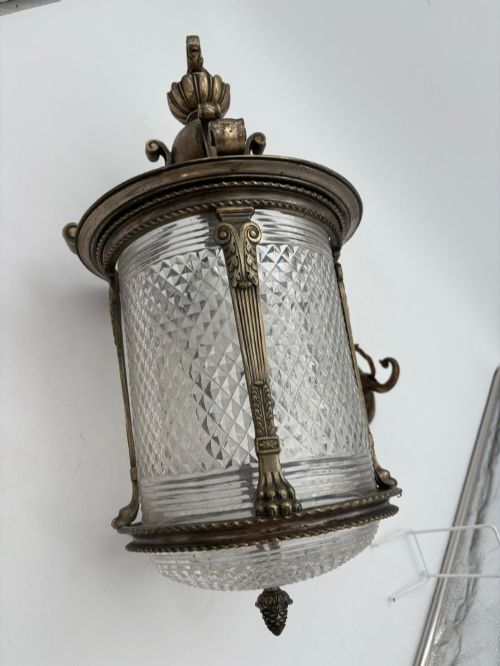
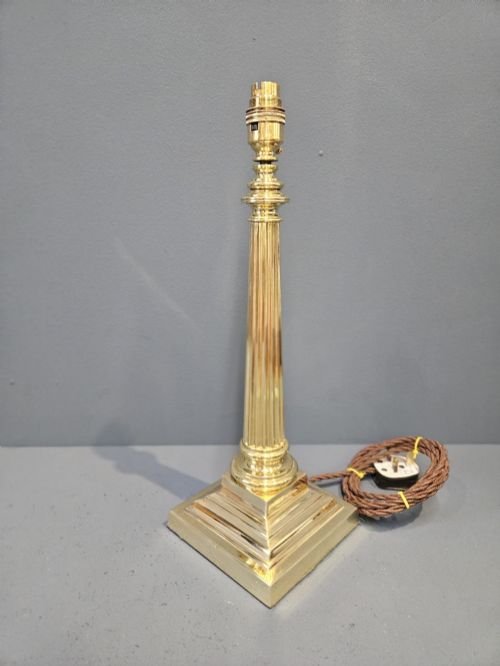
A late victorian lighting fixture spans hanging chandeliers, hall lanterns and table lamps originating from the nineteenth century. These items illuminate rooms through traditional forms including reeded columns and pierced brass designs.
The pieces on this page lean heavily toward brass and bronze construction, often paired with cut glass or ceramic elements. Buyers encounter everything from large outside porch lights with shamrocks to intricate multi-light chandeliers.
Originating in an era of transition between candles, oil and electricity, these items reflect diverse stylistic revivals such as French Baroque and Victorian Orientalism. Each late victorian lighting fixture carries the distinct decorative weight of the late nineteenth century.
How they were made
Makers constructed each late victorian lighting fixture using robust metals like brass, wrought iron, and silvered or gilt bronze. Founders cast these metals into ornate shapes, occasionally incorporating black glass bases or ceramic bodies.
Cut glass and clear glass components were shaped to refract light effectively within lanterns and pendants. Workshops applied gilding and silvering to bronze surfaces to achieve rich metallic finishes that endure.
Late Victorian Lighting Fixture Retail Price Guide 2026
Typical asking prices for late victorian lighting fixture among the pieces listed under this phrase on Sellingantiques today, from the lower quarter to the upper quarter. They describe what is for sale here now, not the wider market.
What varies in quality
The calibre of a late victorian lighting fixture depends on the crispness of its metal casting and the depth of its chasing. Finer examples display meticulous detail in pierced brass work and heavy, well-balanced bronze frames.
Material selection divides standard utilitarian items from exceptional pieces, particularly where heavy cut glass or complex multi-light configurations are employed. The integrity of the original metal surfaces and glass components dictates the overall standard.
The Late Victorian Lighting Fixture Glossary
- Chandelier
- A branched ornamental light fixture suspended from the ceiling. These hold multiple candles, oil burners or electric lamps.
- Hall Lantern
- An enclosed hanging light designed specifically for entranceways and corridors. They often feature glass panels within a metal frame.
- Reeded Column
- A decorative architectural motif featuring parallel convex mouldings. This appears frequently on the stems of table lamps.
- Gilt Bronze
- Bronze metal coated with a thin layer of gold. It provides a lustrous finish characteristic of high-status nineteenth-century metalwork.
- Cut Glass
- Glass shaped and patterned by abrasive wheel cutting. This technique enhances light refraction in shades and lanterns.
Late Victorian Lighting Fixture: Frequently Asked Questions
Where should I hang a hall lantern?
A hall lantern suits entrance halls, landings and vestibules where vertical space allows proper suspension. These fixtures provide focused illumination and set a formal tone upon entry.
Ensure the hanging height clears head height while remaining a focal point when viewed from adjoining rooms.
Can table lamps use modern bulbs?
Most table lamps accept standard modern bulbs once any necessary rewiring is completed by a professional. Standard safety checks ensure older fittings meet contemporary electrical standards.
Retaining the original ceramic or glass bodies while updating internal wiring allows safe daily use.
How do I identify a revival style?
Revival styles draw upon historical motifs such as French Baroque or Louis XVI aesthetics popular during the nineteenth century. Examining the specific cast ornamentations and symmetry reveals these historical influences.
Comparing the decorative details against known period design books helps clarify the exact stylistic source.
What maintenance do bronze fixtures need?
Bronze fixtures require gentle dusting with a soft, dry cloth to prevent dust accumulation on detailed chasing. Avoid harsh chemical cleaners that strip patination and original surface finishes.
Preserving the natural ageing of the metal maintains the historical character of the piece.