




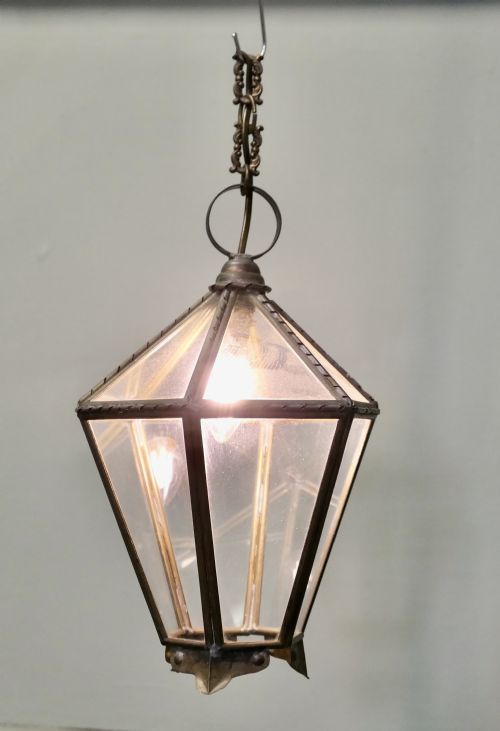
Edwardian Glass Hall Lantern
An edwardian glass hall lantern brings warmth to an entrance hall, casting a clear or coloured glow through bevelled and leaded panels.
Edwardian Glass Hall Lantern
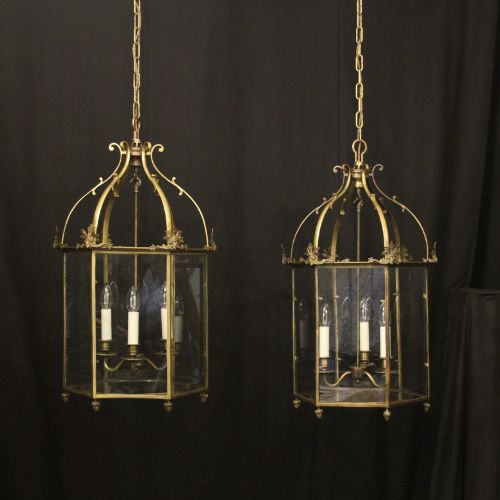
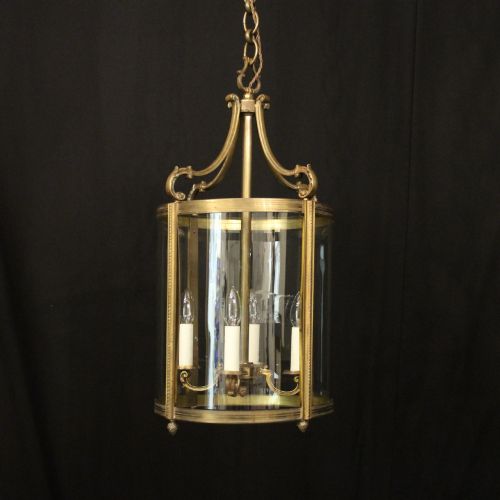
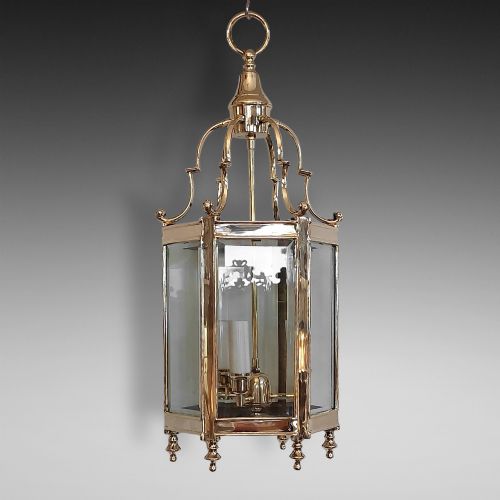
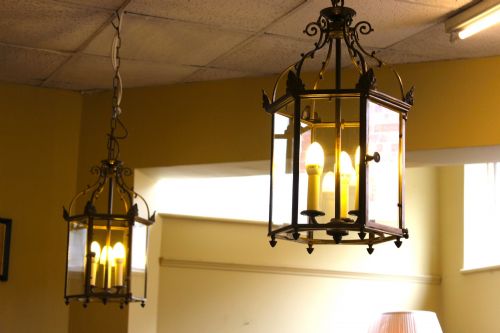
An edwardian glass hall lantern is a ceiling-hung light designed specifically to illuminate entranceways, corridors, and vestibules. The pieces found here span hexagonal, round, and square ceiling pendants, functioning primarily as overhead hallway lighting.
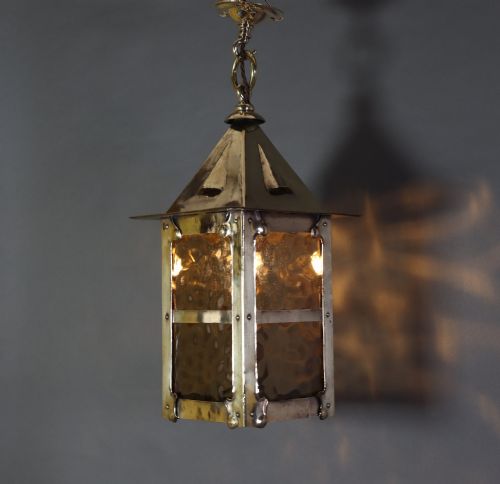
Most examples originate from the Edwardian era, alongside pieces from the Victorian period, 1890, 1900, 1910, 1920, and 1930. Alongside standard British designs, French interpretations appear in styles such as Art Nouveau, Arts and Crafts, Rococo Revival, and Neoclassical.
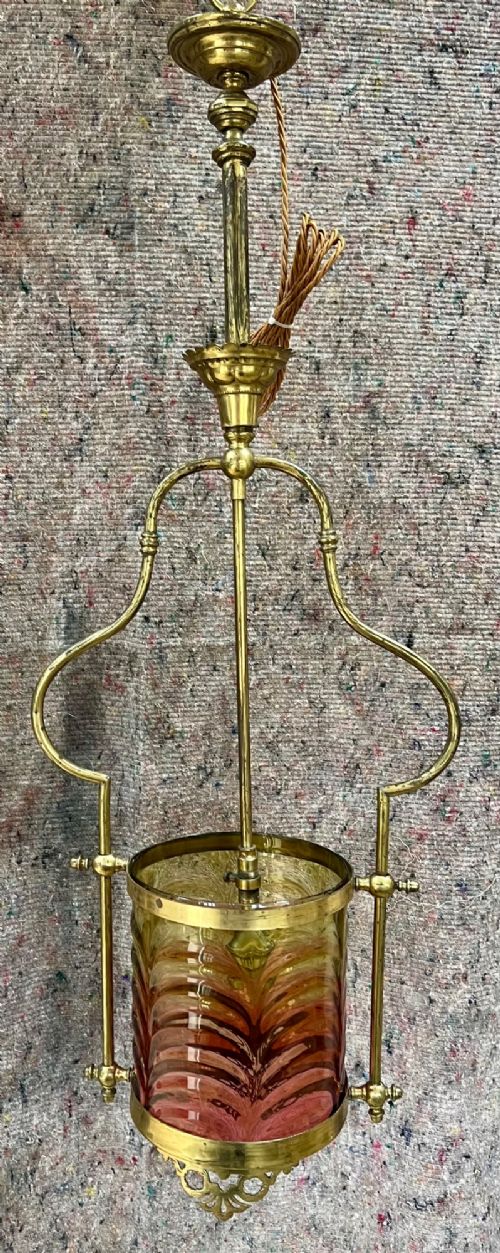
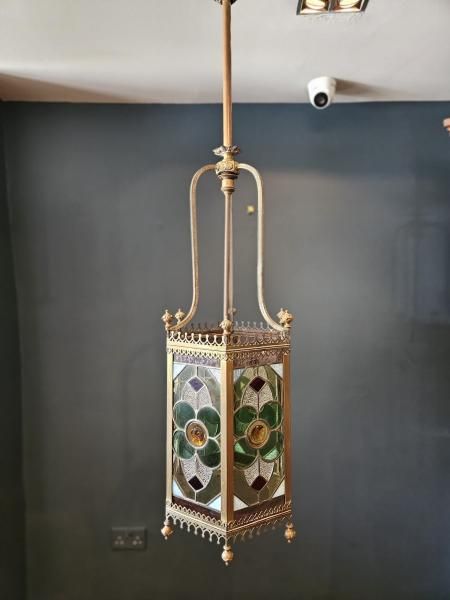
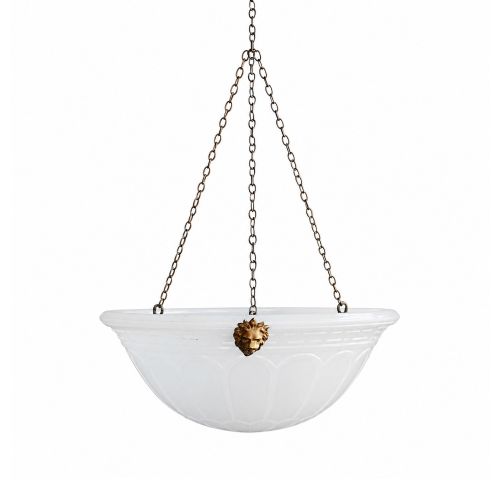
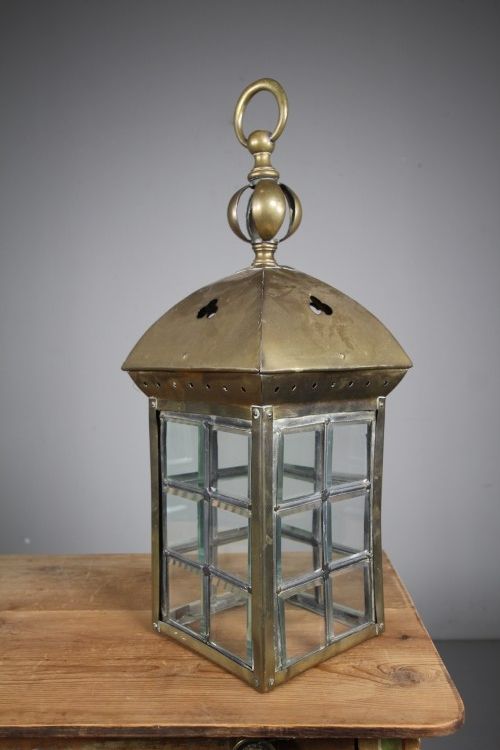
The dominant material combination pairs glass with brass, bronze, copper, or gilded bronze. Glass panes take various forms, including cut glass, leaded glass, stained glass, frosted glass, moonstone, and opalescent glass.
How they were made
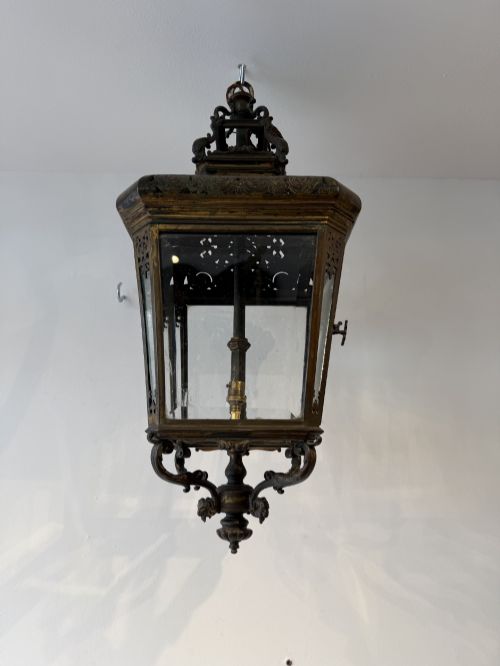
Frames are constructed from cast or sheet metal such as brass, bronze, and copper, shaped into square, round, or hexagonal geometries. Metal components occasionally receive a gilt or gilded bronze finish to heighten decorative impact.
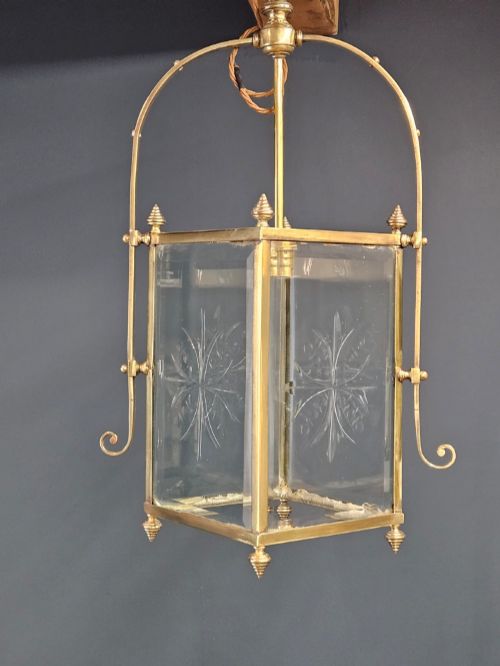
Glass panels are individually cut, bevelled, or leaded to fit the metal framework securely. Certain shades feature etched decoration or opalescent qualities designed to diffuse light evenly across an entrance space.
Edwardian Glass Hall Lantern Retail Price Guide 2026
Typical asking prices for edwardian glass hall lantern among the pieces listed under this phrase on Sellingantiques today, from the lower quarter to the upper quarter. They describe what is for sale here now, not the wider market.
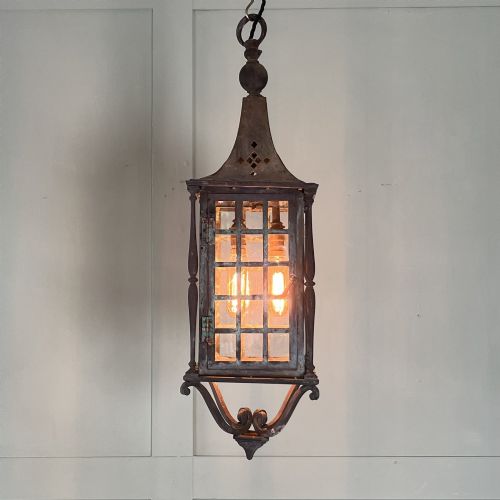
An old decorative green man copper lantern glowers down from the ceiling with leafy mythological abandon.
What varies in quality
The standard of a lantern rests upon the weight of its metal framework and the precision of its glass cutting. Heavy cast brass or gilded bronze frames with bevelled or leaded glass represent the upper tier of production.
Design ambition also separates ordinary hall lighting from exceptional examples. Pieces displaying deliberate Arts and Crafts handcrafting, Art Nouveau curves, or French stylistic detailing command greater attention than simple utilitarian pendants.
The Edwardian Glass Hall Lantern Glossary
- Bevelled glass
- Glass panes finished with an angled edge ground along the perimeter. This treatment catches and refracts light as it passes through the lantern.
- Leaded glass
- Individual pieces of glass joined together by narrow strips of lead came. This technique creates geometric or pictorial panels within the lantern frame.
- Moonstone
- A type of semi-translucent glass that diffuses light with a soft, milky appearance. It softens the glare from internal bulbs.
- Gilt bronze
- Bronze metal treated with a thin layer of gold or gold-coloured alloy. It provides a rich, polished surface finish.
- Opalescent glass
- Glass exhibiting a milky iridescence that reflects light in varying tones. It adds depth and texture to the illuminated shade.
Edwardian Glass Hall Lantern: Frequently Asked Questions
Where should I hang an edwardian glass hall lantern?
These lanterns suit entrance halls, vestibules, and high-ceilinged corridors where overhead pendant lighting is practical. Their primary function is to provide welcoming illumination as people enter the home.
Ensure you hang the fixture at a height that allows comfortable clearance underneath while remaining visually centred in the space.
How do I identify an edwardian piece?
Edwardian lanterns typically feature specific material combinations like brass frames paired with clear, bevelled, or stained glass panels. Stylistic cues often lean towards simplified classical revival or early Arts and Crafts designs.
Compare the construction methods and metal patination against documented pieces from the early twentieth century to confirm the period.
What is the difference between brass and bronze frames?
Brass frames generally present a brighter, golden-yellow metallic tone unless aged with a darker patina. Bronze frames offer a heavier, deeper metallic composition with a denser weight.
Both metals provide the structural rigidity required to support glass panels securely overhead.