


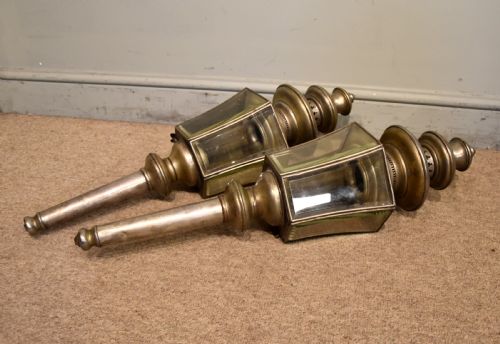


Late Victorian Lantern
These late victorian lantern pieces combine period metalwork and glass to illuminate interiors and hallways with distinct historical character.
Late Victorian Lantern
When you search for a late victorian lantern, you encounter functional lighting fixtures and decorative items produced around the turn of the nineteenth century. The selection typically includes hall lanterns, pendant lights, wall lanterns, and carriage lamps that served practical illumination needs in homes and coaching houses.
The pieces appearing on this page span the Victorian period, specifically clustering around eighteen-ninety to nineteen-hundred. You frequently meet brass, copper, and iron forms designed for ceilings, walls, and tabletops.
Originating from British, French, and Chinese export workshops, these items reflect diverse stylistic influences including neo-classical, Victorian Gothic, aesthetic movement, and French rococo designs.
How they were made
Makers utilised a combination of cast and sheet metals, forming structures from brass, copper, wrought iron, and bronze. Elements such as verdigris patination, gilding, and silver plating were applied to finish the metal surfaces.
Glazing techniques involved clear glass, cut glass, and stained glass panels fitted securely into metal frames. Pierced brass work and decorative motifs like shamrocks demonstrate the detailed manual labour involved in their construction.
Late Victorian Lantern Retail Price Guide 2026
Typical asking prices for late victorian lantern among the pieces listed under this phrase on Sellingantiques today, from the lower quarter to the upper quarter. They describe what is for sale here now, not the wider market.
Several heavy porch lights and wall lanterns carry hidden shamrock motifs, offering a touch of rustic charm to nineteenth-century entryways.
What varies in quality
The distinction between standard and superior pieces rests on the weight of the metal and the precision of the construction. Heavier gauge brass, thick cast bronze, and robust copper frames indicate higher grade production.
Refinement in decorative detailing separates ordinary examples from exceptional ones. Finely pierced metalwork, intricate glass cutting, and harmonious stylistic execution demonstrate superior craftsmanship.
The Late Victorian Lantern Glossary
- Verdigris patination
- A green coating formed naturally or artificially on copper, brass, or bronze surfaces through oxidation. This finish gives older metalwork an aged, weathered appearance.
- Aesthetic movement
- A late nineteenth-century design style that emphasised visual and material beauty over narrative subject matter. Pieces in this style often feature restrained, elegant ornamentation.
- Regence period design
- An eighteenth-century French style characterised by early rococo curves and symmetrical framework. Later nineteenth-century makers frequently borrowed these motifs for hanging hall lanterns.
- Hall lantern
- An enclosed lighting fixture designed specifically for hanging in entrance halls and corridors. They traditionally accommodated candles before conversion to gas and electricity.
Late Victorian Lantern: Frequently Asked Questions
How do I hang a hall lantern?
Hanging a hall lantern requires securing a ceiling hook capable of supporting the weight of the metal and glass fixture. Ensure the suspension chain and electrical wiring comply with modern safety standards.
Position the lantern at a height that allows comfortable clearance underneath while adequately illuminating the entryway space.
Are these lanterns electrified?
Many surviving lanterns have been converted from candles or gas to electricity over time. Some retain original fittings or require professional rewiring for domestic use.
Examine the internal wiring setup carefully to determine if professional adaptation is necessary before installation.
What metals are most common?
Brass and copper appear most frequently in these nineteenth-century lighting fixtures. Iron, bronze, and nickel are also utilised across various wall and ceiling designs.
Each metal develops a distinct surface appearance and patination as it ages over decades.
How do I clean stained glass?
Clean stained glass panels gently using a soft cloth and mild soapy water. Avoid harsh chemical cleaners that might damage the lead cording or the metal patina.
Dry the glass thoroughly after wiping to maintain clarity and protect the surrounding framework from moisture.