

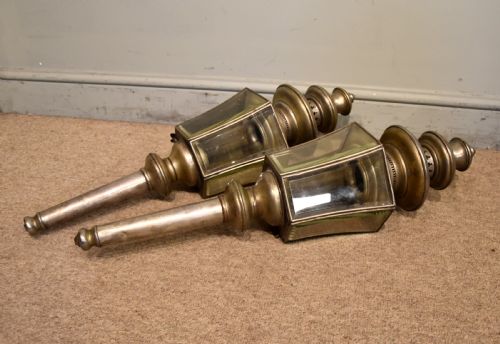


Decorative Brass Lantern
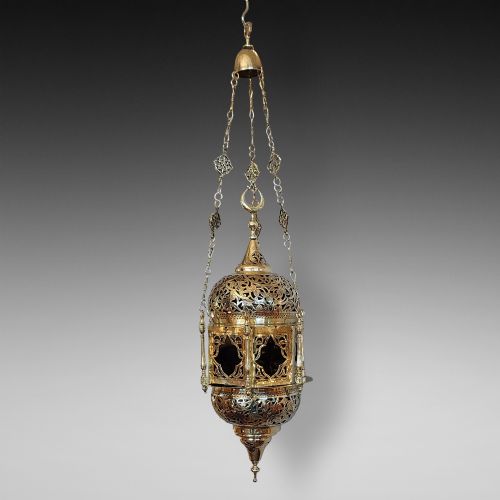
A decorative brass lantern brings warmth and historic character to a hallway or porch, combining metalwork with glass to shape the light.
Decorative Brass Lantern
The styles appearing in the inventory range from French Empire and French Neoclassical to Arts and Crafts, Gothic Revival, and the Aesthetic Movement. Many examples draw on historical design, including hexagonal shapes modelled after fixtures at the Palace of Versailles.
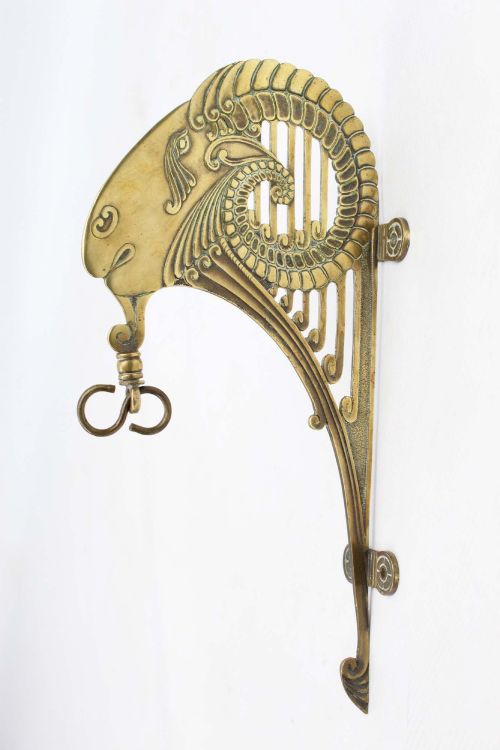
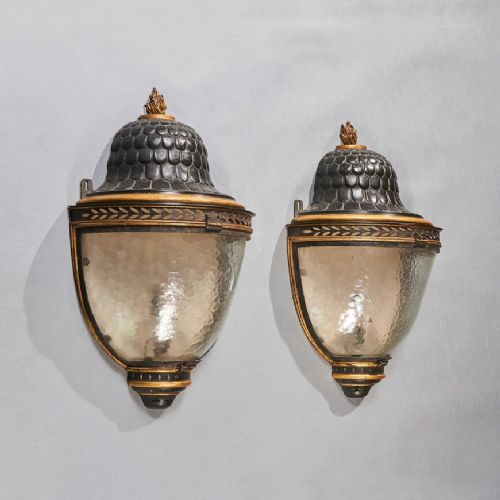
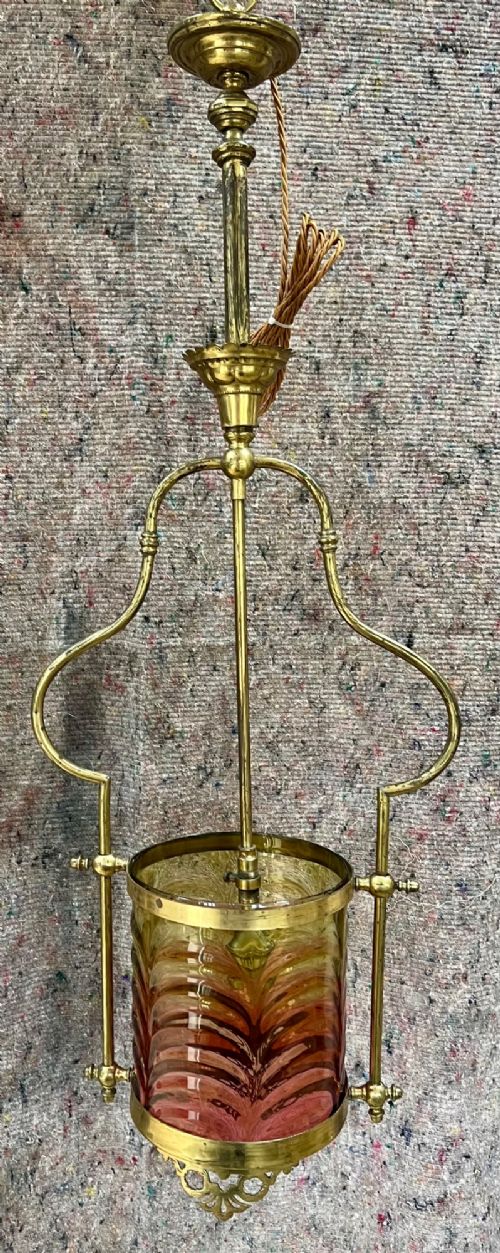
Most pieces combine brass frames with glass panels, whilst variations incorporate tole peinte, parcel gilt metal, nickel, lead, and stained glass. Forms vary from simple hall lanterns to substantial pairs of heavy carriage lamps.
Materials and construction
Makers constructed these lanterns using brass as the primary structural metal, often pairing it with glass panes to enclose the light source. Examples also incorporate lead for securing stained glass, parcel gilt metal, and painted tole peinte.
Workmanship involves hand-blown diamond cut crystal for bell jar shades alongside etched glass panels. Frames are cast or fabricated into geometric shapes, notably hexagonal designs, and secured with metal fixings.
Decorative Brass Lantern Retail Price Guide 2026
Typical asking prices for decorative brass lantern among the pieces listed under this phrase on Sellingantiques today, from the lower quarter to the upper quarter. They describe what is for sale here now, not the wider market.
Listings feature brass combined with materials including glass, tole peinte, parcel gilt metal, nickel, lead, and stained glass across multiple periods.
Evaluating quality and craftsmanship
Quality in these lanterns is evident in the weight of the metal and the precision of the casting. Heavy brass frames and intricate detailing distinguish finer examples from standard production pieces.
The treatment of the glass further separates the tiers, with hand-blown diamond cut crystal and leaded stained glass representing higher craftsmanship than plain or machine-made panes.
The Decorative Brass Lantern Glossary
- Tole peinte
- Painted sheet metal used in decorative objects and lighting fixtures. This technique adds colour and contrasting tones to the metal elements.
- Parcel gilt
- Partially covered in gold leaf or gold paint over another metal surface. This highlights specific decorative details on the frame.
- Ormolu
- Gilded bronze or brass applied to furniture and decorative metalwork. It provides a bright, finished appearance on period frames.
- Aesthetic movement
- A nineteenth-century design style emphasising visual beauty over narrative content. Pieces in this style focus on form and decorative detail.
- Carriage lamp
- A specialised lantern originally designed for mounting on horse-drawn vehicles. These often feature specialised bracket mounts and protective glass panes.
Decorative Brass Lantern: Frequently Asked Questions
Where should I hang a decorative brass lantern?
These lanterns suit entryways, hallways, and covered porches where they provide both illumination and a focal point. Their historical designs complement traditional and period interiors.
Ceiling-hung pendants work well in high-ceilinged hallways, whilst wall-mounted versions fit narrower corridors or flanking doorways.
How do I identify the period of a lantern?
Dating relies on stylistic clues such as the silhouette, the manufacturing techniques used on the metal, and the type of glass. Victorian and Edwardian pieces often reflect the prevailing design movements of their decades.
Comparing the decorative motifs, such as French Empire or Gothic Revival elements, helps narrow down the probable era of manufacture.
Are these lanterns suitable for outdoor use?
Many surviving pieces originate as indoor hall or carriage lights, meaning their weather resistance varies. Porch lanterns specified for exterior areas are typically better sealed against moisture.
Evaluating the original function helps determine whether a piece belongs in a sheltered outdoor entrance or an interior space.
What glass types are common on these fixtures?
Common glazing includes clear hand-blown glass, etched panels, leaded stained glass, and diamond cut crystal. Each type diffuses light differently and alters the overall appearance of the fixture.
Textured or stained glass softens the bulb output, whereas clear glass maximises brightness in darker hallways.