





Late Victorian Landscape
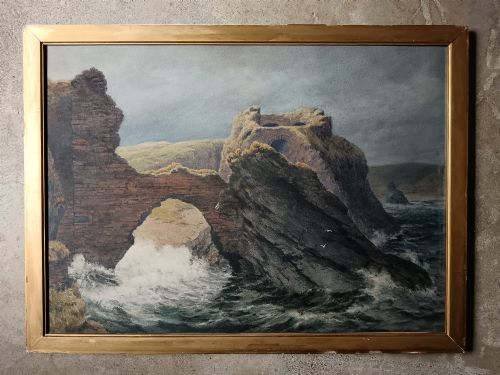
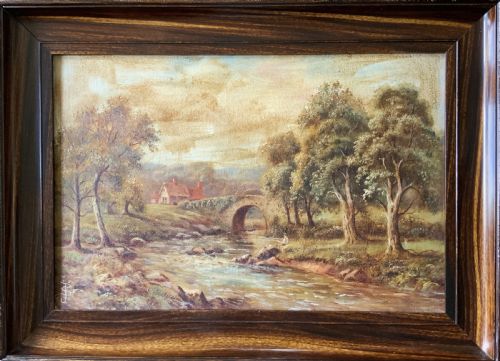
When you examine a late victorian landscape, you encounter 19th-century watercolours and oils capturing rivers, coasts, and woodlands.
Late Victorian Landscape
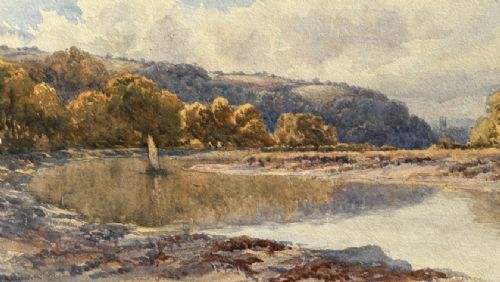
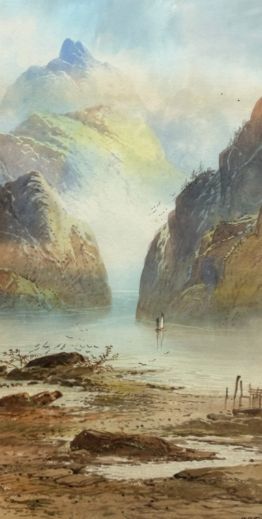
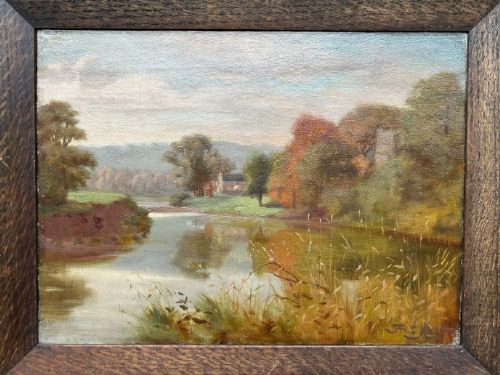
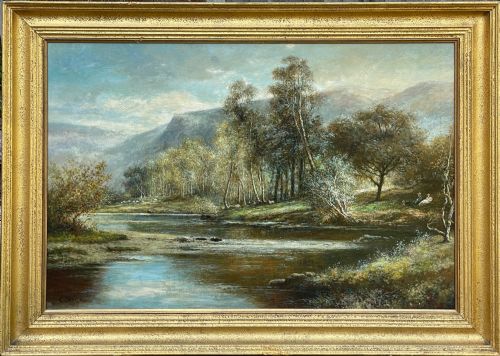
A late victorian landscape typically depicts British and European scenery, ranging from Scottish lochs and Welsh valleys to English rivers and coastal beaches. Buyers looking through these selections will encounter original works on paper and canvas created during the final decades of the nineteenth century.
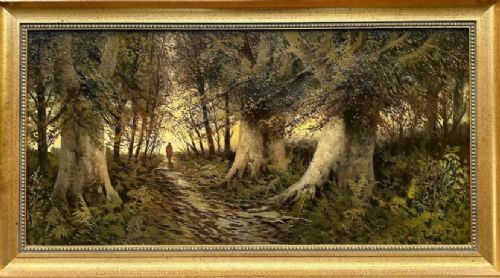
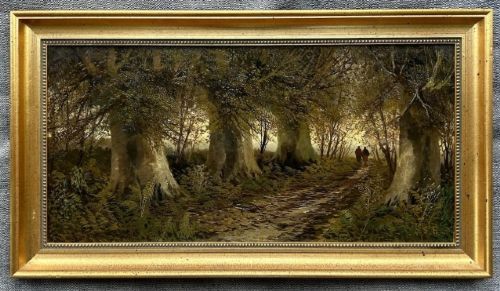
The dominant forms on this page include framed watercolours and oil paintings on canvas, panel, or board. These pieces frequently feature rural vistas, agricultural scenes with figures, woodland sunsets, and coastal fishing boats.
Beyond paintings, the category occasionally extends to hand-painted porcelain cabinet plates decorated with specific landscape scenes. These varied objects reflect the period's broad artistic output across fine art and decorative ceramics.
Materials and Techniques
Porters and framers housed these works in period gilt frames, while ceramic pieces involved hand-painted decoration on porcelain bodies fired in kilns.
Artists frequently captured sheep dotting English farmland and highlanders stalking stags under moonlight.
Factors of Quality
Quality in a late victorian landscape rests upon the handling of light, brushwork confidence, and compositional balance. Works by established or signed hands demonstrate greater precision in depicting natural elements such as water, foliage, and skies.
The preservation of the original pigments, paper support, or canvas stretcher contributes significantly to the overall standing of the piece. Additionally, the presence of an appropriate period gilt frame enhances the integrity of the artwork.
David Law·James Orrock·William Henry Earp·Alfred Young Nutt·Frederick Marriott·William Banks Fortescue·Thomas W Lascelles·John Moxon·Sydney Yates Johnson·William George Tennick·Philip Richard Morris·Robert Little·Harry Wanless·Arthur Herbert Rigg·Thomas Bromley Blacklock·Robert John Hammond·Colin H Greenwood·Henry Bailey·John Syer·Alfred Grey·Robert Buchan Nisbet·Kate E Booth·William Manners·Clara Montalba·Thomas Pyne
The Late Victorian Landscape Glossary
- Watercolour
- A painting method where the paints are made of pigments suspended in a water-based solution, typically executed on paper.
- Oil on Canvas
- Pigments bound in a drying oil medium applied to a stretched canvas support, common in late 19th-century fine art.
- Cabinet Plate
- A decorative porcelain plate intended for display in a cabinet rather than for dining use.
- Gilt Frame
- A wooden picture frame coated with gold leaf or a gold-coloured finish, standard for Victorian artworks.
Late Victorian Landscape: Frequently Asked Questions
What subjects appear in these paintings?
The works primarily display natural scenery including Scottish lochs, rivers, coastal beaches, and agricultural farmland.
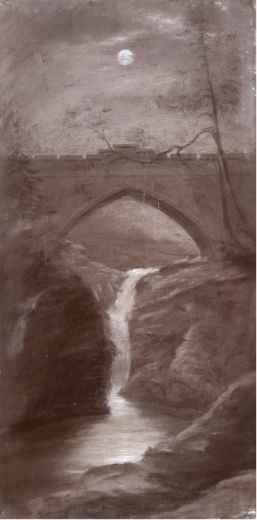
Human figures, livestock, and historic buildings such as castles frequently accent these outdoor rural compositions.
How do I date a late Victorian painting?
Dating relies on artist signatures, period framing, exhibition labels, and stylistic markers associated with the late nineteenth century.
Many pieces carry specific dates or fall within the active working decades of the recorded painters.
Are these works painted on canvas?
Makers utilised multiple supports including stretched canvas, wooden panels, and paper.
Watercolours appear exclusively on paper supports, whereas heavier compositions use canvas or board.
How should I display a watercolour?
Watercolours require placement away from direct sunlight to prevent the fading of delicate pigments on paper.
Acid-free mounting and glass protection help preserve the condition of these works over time.