
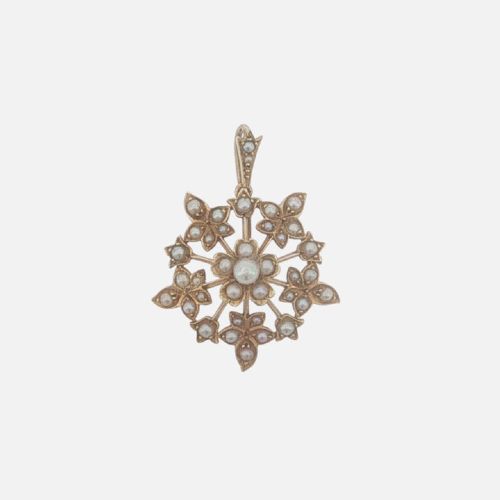
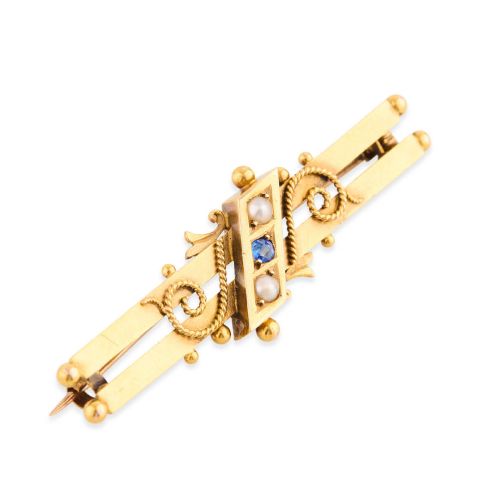


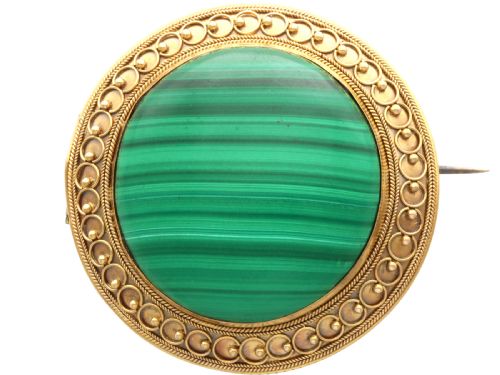

Late Victorian Gold Brooch
These late victorian gold brooch designs bring together rich gemstones and intricate metalwork from the close of the nineteenth century.
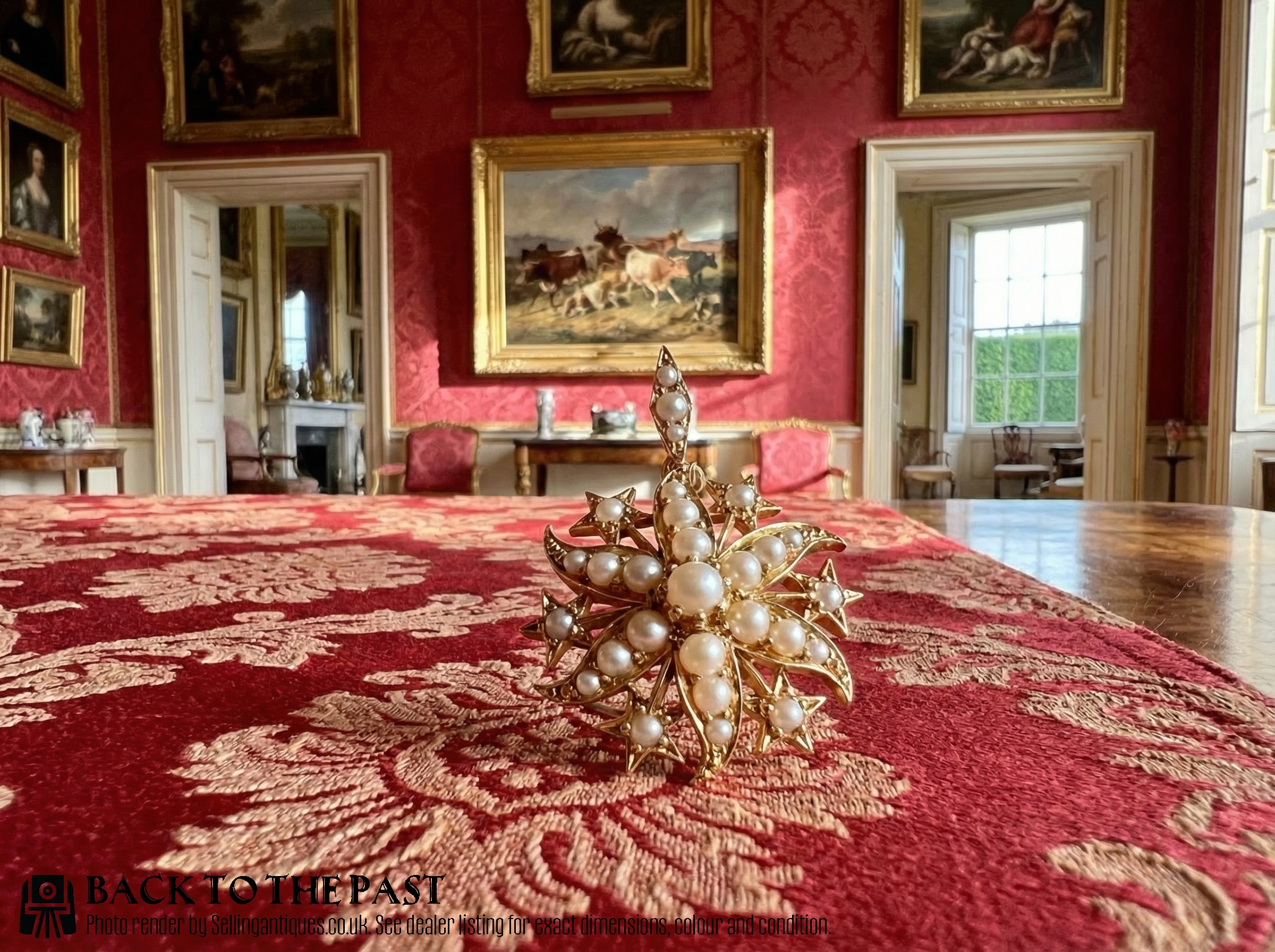
Late Victorian Gold Brooch
A late victorian gold brooch represents pin jewellery from the closing decades of the nineteenth century, encompassing styles from the eighteen-eighties to nineteen-hundred. You will encounter pieces featuring botanical motifs, insects, crescents, and coronets alongside convertible pendant combinations.
The objects span bar brooches, double bar pins, and clustered forms set with diamonds, sapphires, rubies, peridots, and pearls. Many double as pendants or necklaces, demonstrating the versatility valued during the Victorian and Edwardian transition.
How they were made
Goldsmiths utilised varied purities of yellow gold, notably fifteen-carat and nine-carat, alongside silver-topped settings designed to enhance the brilliance of mounted diamonds. Gemstones including seed pearls, rubies, and sapphires were secured using claw, bezel, and flush techniques.
Artisans combined precious metals with natural materials such as chalcedony, malachite, and natural pearls. Construction often allowed dual functionality, integrating hidden loops or bails so a brooch could transform into a pendant.
Listings feature yellow gold purities ranging from eight-carat to eighteen-carat alongside silver-topped settings.
What varies in quality
The calibre of a late victorian gold brooch rests on the selection and weight of its gemstones, from unheated sapphires to matched seed pearls. Superior examples display precise stone-setting and balanced proportions within complex motifs like butterflies, birds, or sunbursts.
Fine construction is evident in the integration of convertible elements, such as detachable pins and secure pendant loops that function seamlessly. The weight and purity of the gold, alongside the crispness of foliate and geometric chasing, separate standard productions from masterworks.
The Late Victorian Gold Brooch Glossary
- Bar brooch
- A pin formed around a narrow horizontal metal bar, frequently adorned with central clusters or gemstones. These pieces were pinned directly to garments.
- Seed pearl
- A very small natural or cultured pearl, often drilled and strung or set en masse to create delicate floral and crescent designs. They define late nineteenth-century textured jewellery.
- Cabochon
- A gemstone shaped and polished with a smooth, rounded domed surface rather than faceted edges. This cut highlights the rich colour of stones like chalcedony and malachite.
- Foliate motif
- A decorative design shaped using plant leaves and foliage. Victorian jewellers frequently carved or cast these organic patterns into gold.
Late Victorian Gold Brooch: Frequently Asked Questions
How do I wear a convertible brooch pendant?
Many late nineteenth-century pieces feature a hinged pin and a hidden loop on the reverse. This allows the wearer to pin the item to garments or suspend it from a chain as a pendant.
Ensure the pin mechanism is securely latched when worn as a brooch to prevent loss. When suspended, choose a chain that complements the weight and gold purity of the piece.
How should I clean antique pearl jewellery?
Pearls are organic gems that require gentle care to avoid damage from harsh chemicals, soaps, or ultrasonic cleaners. Wipe them softly with a damp cloth after wearing and store them away from harder metals.
Check the stringing or setting security periodically, especially on seed pearl clusters. Professional inspection ensures the adhesive and mountings remain secure.
What does fifteenth-carat gold indicate?
Fifteenth-carat gold contains sixty-two point five percent pure gold alloyed with other metals to increase durability. This specific purity standard was common in British jewellery manufacture during the Victorian era before later standardisation.
Its rich, warm yellow tone distinguishes it from modern lower-carat alloys. Pieces bearing this mark point directly to nineteenth-century British workshops.