

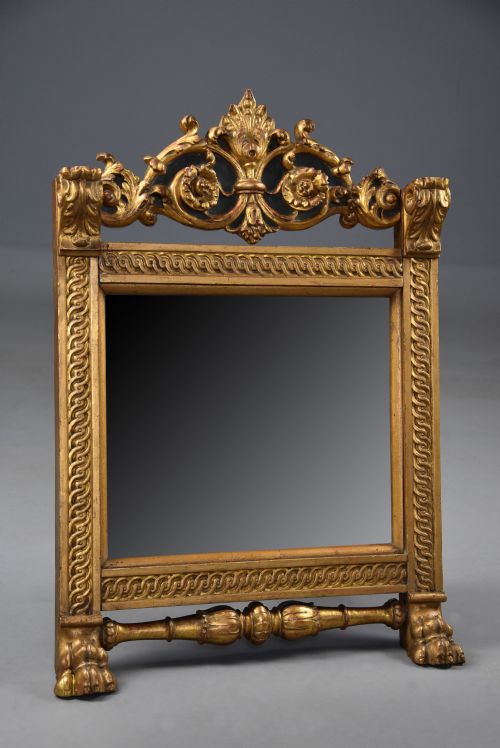
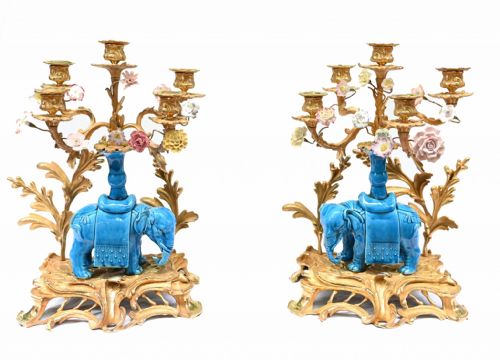


Late Victorian Gilt Table
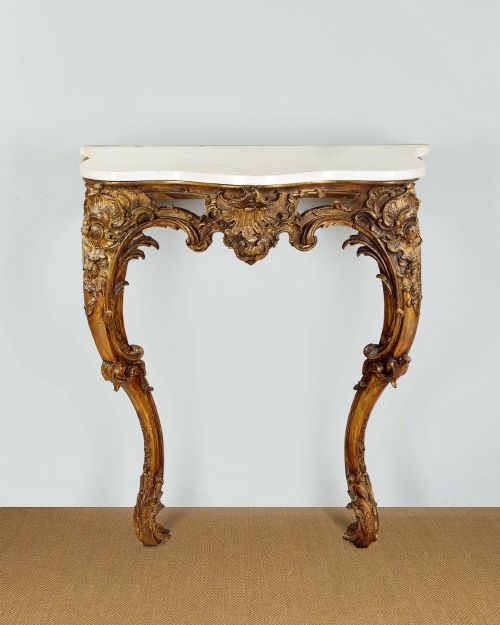
A late victorian gilt table brings bright surface and compact form into a room, offering console tables and occasional tables crafted in the nineteenth century.
Late Victorian Gilt Table
A late victorian gilt table search reveals items originating around the 1880s to the turn of the twentieth century, carrying Victorian and revival styles. Buyers inspecting this phrase encounter console tables with marble tops alongside occasional tables and small lamp tables.
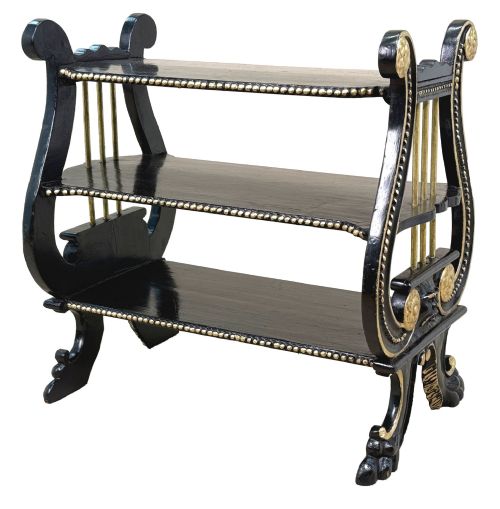
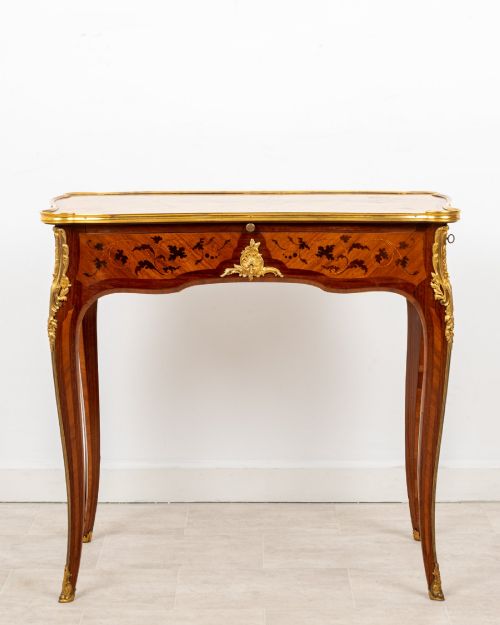
The selection leans toward French influences, including Rococo and Louis XVI revival designs executed in giltwood, ebonised wood, and gilt bronze. These pieces served decorative and functional roles in period drawing rooms and boudoirs.
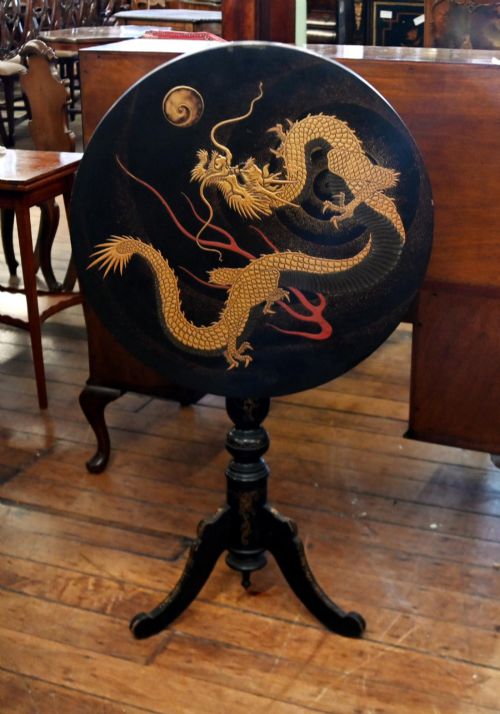
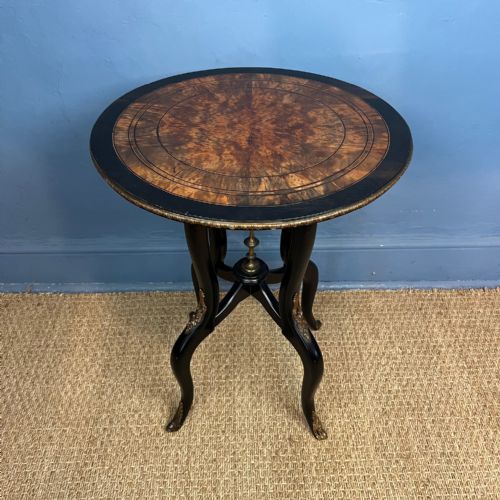
Makers and workshops from this era utilised parcel gilding and contrasting dark woods like thuyawood and amboyna to highlight the reflective gilt surfaces. The forms remain manageable in scale, suiting contemporary spaces as side or console tables.
Materials and Construction
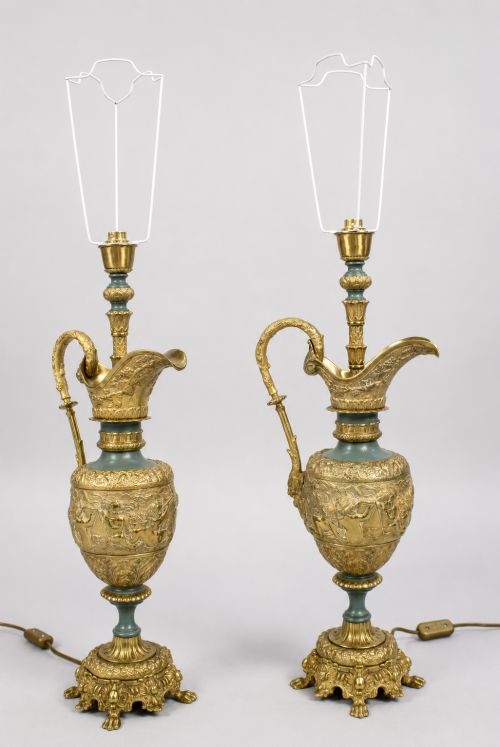
Makers applied thin layers of gold leaf or gilt metal onto carved wood bases, brass, and ormolu mounts to create the characteristic metallic sheen. Ebonised wood and exotic veneers provided dark contrast to the bright gilding.
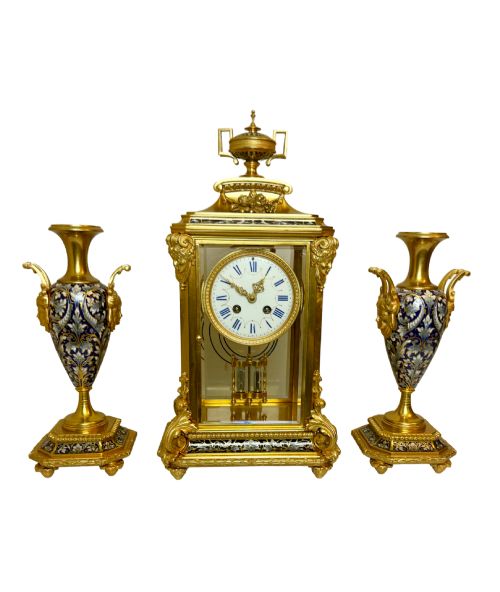
Marble tops frequently accompanied console and occasional tables, fitted precisely into carved wooden frames. Joinery combined traditional cabinet-making with decorative brass casting and champleve enamel details.
Late Victorian Gilt Table Retail Price Guide 2026
Typical asking prices for late victorian gilt table among the pieces listed under this phrase on Sellingantiques today, from the lower quarter to the upper quarter. They describe what is for sale here now, not the wider market.
Current listings feature giltwood, brass, and ebonised wood across Victorian and Edwardian periods.
Craftsmanship and Detail
Quality rests in the crispness of the wood carving and the depth of the gilding applied to the surface. Superior examples display refined hand-carved detail in the giltwood frames rather than cast composition ornaments.
The integrity of the structural joinery and the quality of inset marble tops distinguish finer pieces from standard production items. Retained original surfaces and minimal intervention preserve the visual balance intended by the maker.
Durand·Lamb of Manchester·Samuel Marti·William Comyns·Carlton Ware·Doulton Burslem
The Late Victorian Gilt Table Glossary
- Giltwood
- Wood that has been coated with gold leaf or powder. This finish brings reflective warmth to tables and mirror frames.
- Console table
- A table designed to stand against a wall, frequently secured with brackets. These pieces often feature marble tops and ornate carved legs.
- Ormolu
- Finely chased and gilt bronze used for mounts and decorative accents. It gained widespread popularity in French and English nineteenth-century furniture.
- Parcel gilt
- A technique where only specific portions of an object are gilded. This method highlights carved details against a dark wood background.
- Ebonised
- Wood treated to resemble ebony through staining or painting. It provides a dense black contrast to gilt metal and bronze mounts.
Late Victorian Gilt Table: Frequently Asked Questions
Where should I place a gilt table?
These tables suit hallways, drawing rooms, or as bedside surfaces where their reflective finish catches light. Their compact proportions allow them to fit into narrow spaces without overwhelming a room.
Pairing a console table with a matching wall mirror reflects light further and maintains the aesthetic balance established in late nineteenth-century interiors.
How do I clean gilded surfaces?
Dust gently using a soft, dry ostrich feather duster or a clean microfibre cloth. Avoid pressing hard against raised carvings or applying liquid cleaners.
Moisture and commercial polish strip gold leaf and damage underlying gesso. Professional conservation is required if the gilt layer begins to flake.
Are these tables sturdy enough for daily use?
Most occasional and console tables from this period were built for decorative display rather than heavy loads. Placing heavy items on them can strain joints and marble tops.
Gentle placement of lamps or decorative objects preserves the structural integrity of the antique frame and delicate joinery.
How do I identify late Victorian furniture?
Look for a combination of traditional hand-cut joinery alongside machine-prepared timbers typical of the late nineteenth century. Aesthetic movement and revival styles dominate this period.
Materials like ebonised wood, ormolu, and parcel gilding point directly to the tastes of the 1880s and 1890s.