



Late Victorian Buffet Table
When you search for a late victorian buffet table, you are looking at solid oak, walnut and mahogany sideboards and serving pieces built for dining rooms.
Late Victorian Buffet Table
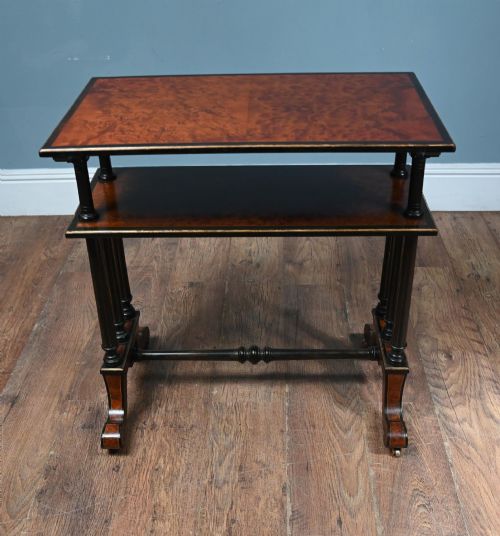
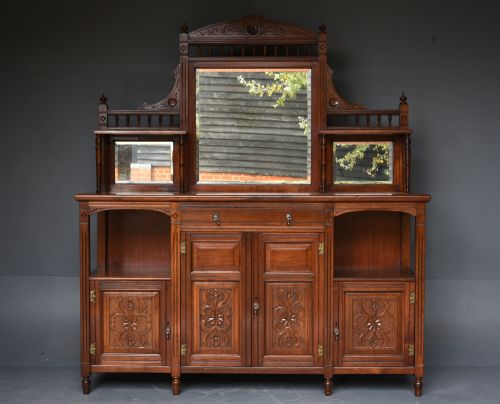
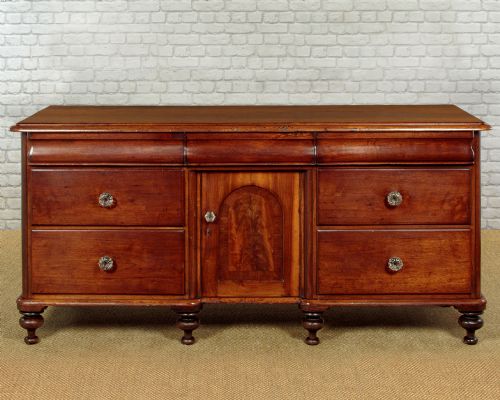
A late victorian buffet table typically takes the form of a heavy oak, walnut or mahogany sideboard, server or dresser base designed for the dining room. These pieces range from narrow Gothic Revival designs to broad serving tables in the Aesthetic Movement and Arts and Crafts styles.
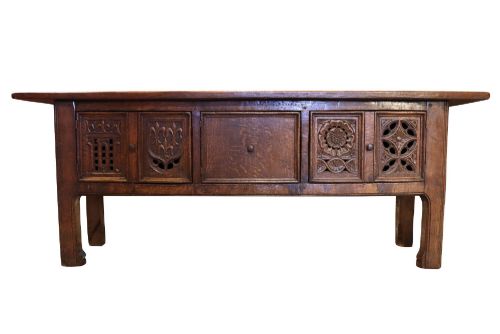
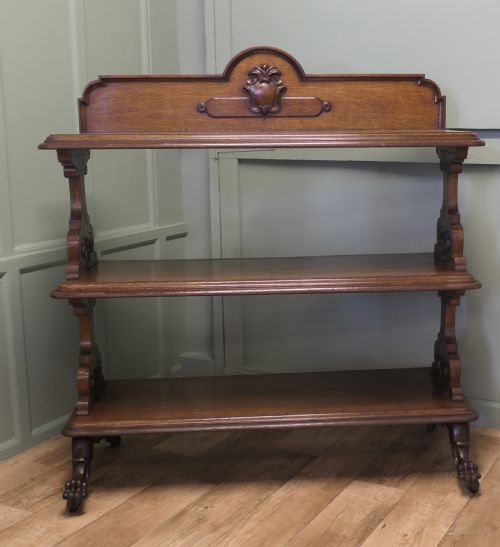
The version you are most likely to meet on this page is a carved oak or walnut buffet from the late nineteenth century, often featuring a pot shelf, cupboards or serving surfaces intended for heavy dining use.
Materials and Construction
Cabinet makers utilised dense timbers such as oak, walnut, mahogany and pine, shaping them with hand-carved details and applied mouldings. Many examples incorporate brass hardware, glass panels and ebonised wood accents to define the period aesthetic.
Joinery relies on traditional framing and panel construction, supporting heavy serving tops and lower pot shelves designed to bear substantial weight.
Late Victorian Buffet Table Retail Price Guide 2026
Typical asking prices for late victorian buffet table among the pieces listed under this phrase on Sellingantiques today, from the lower quarter to the upper quarter. They describe what is for sale here now, not the wider market.
Listings feature oak, walnut, mahogany and pine pieces spanning the nineteenth century.
Judging Quality and Craftsmanship
The standard of a late victorian buffet table rests on the selection of timber, such as figured walnut or quarter-sawn oak, and the crispness of any hand-carved ornamentation. Finer examples show careful attention to proportions, drawer linings and structural stability.
Simpler workshop pieces in pine or basic oak prioritise utility over elaborate decoration, displaying straightforward joinery rather than refined cabinetwork.
The Late Victorian Buffet Table Glossary
- Buffet table
- A long piece of dining furniture used for serving food and storing tableware. It usually includes cupboards or open shelves beneath the top surface.
- Pot shelf
- An open lower shelf fitted between the legs of a dresser base or sideboard. It was originally intended for storing heavy pots and dishes.
- Dresser base
- The lower section of a kitchen or dining dresser, consisting of cupboards and drawers beneath a flat surface. These pieces often function independently as serving tables.
- Gothic Revival
- A nineteenth-century design movement inspired by medieval architecture. It is characterised by pointed arches, trefoils and heavy carved oak.
- Aesthetic Movement
- A late nineteenth-century style focusing on refined design and craftsmanship. Pieces from this movement often feature ebonised wood and subtle decorative carving.
Late Victorian Buffet Table: Frequently Asked Questions
What is a late victorian buffet table used for?
These pieces were built to serve meals and store dining room china, silver and linen during the late nineteenth century. In a modern home, they function well as sideboards, serving stations or media consoles.
The deep surfaces and lower shelves provide ample storage space for heavy items while anchoring the room with solid timber construction.
How do I date a late victorian buffet table?
Dating relies on identifying timber choices, construction methods and stylistic markers associated with the final decades of the nineteenth century. Common indicators include period hardware, hand-carved oak details and characteristic revival styles.
Comparing the form to documented pieces helps narrow down the decade of manufacture within the broader Victorian era.
Are these pieces made of solid wood?
Most examples utilise solid hardwoods such as oak, walnut and mahogany for their primary structures and surfaces. Secondary timbers like pine often appear in drawer linings and internal framing.
The heavy construction ensures long-term durability and stability under daily use.
How do I care for a wood buffet table?
Protect the timber surface by avoiding direct sunlight and excessive moisture. Regular dusting and occasional waxing help preserve the finish of the wood.
Using felt pads under heavy objects placed on the top surface prevents scratches to the antique finish.