


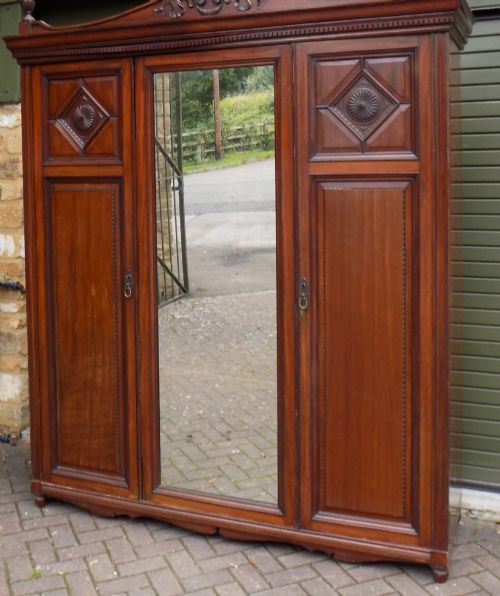


Late Victorian Armoire Wardrobe
A late victorian armoire wardrobe brings architectural presence and generous storage to a bedroom, combining period craftsmanship with practical domestic scale.
Late Victorian Armoire Wardrobe
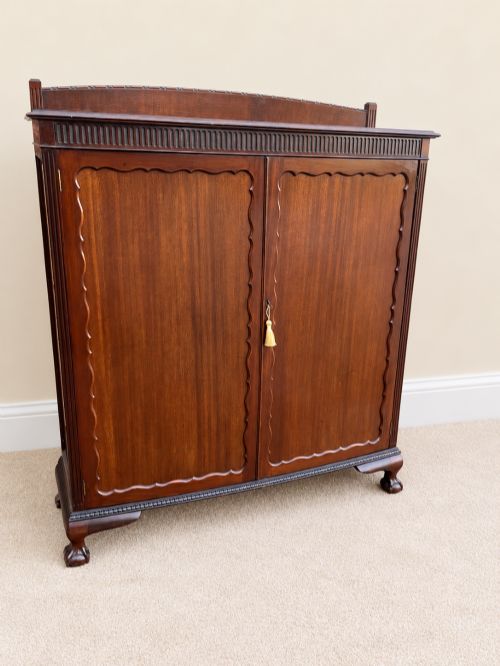
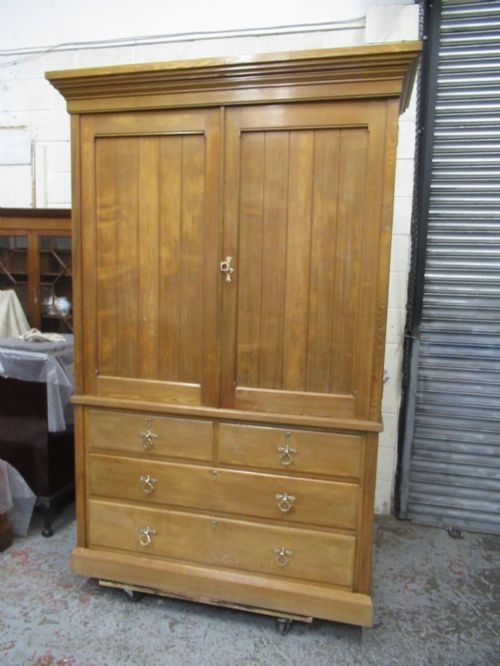
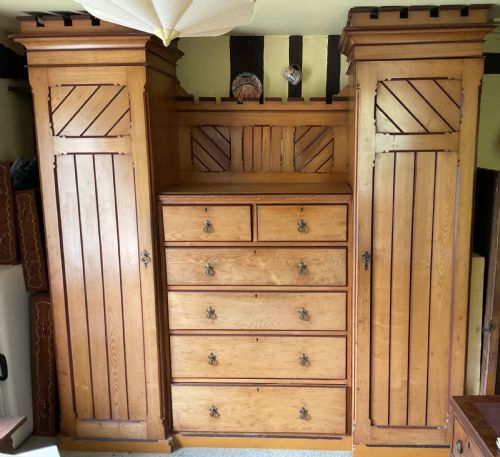
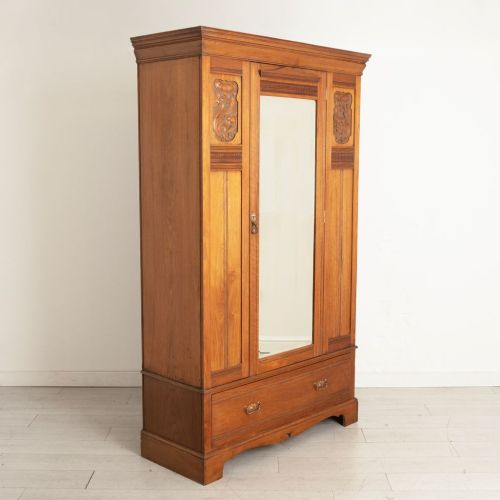
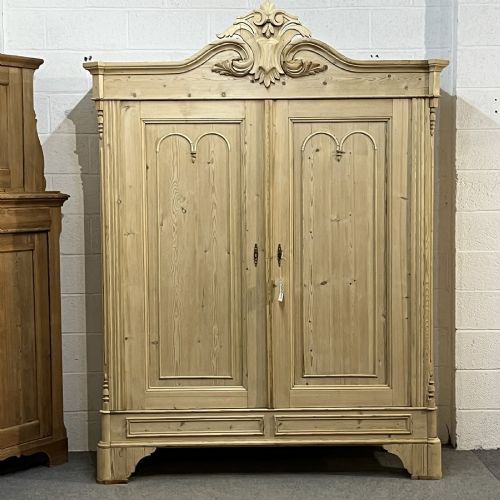
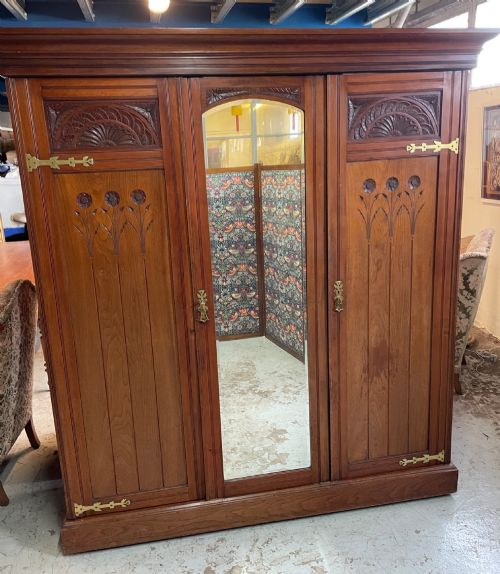
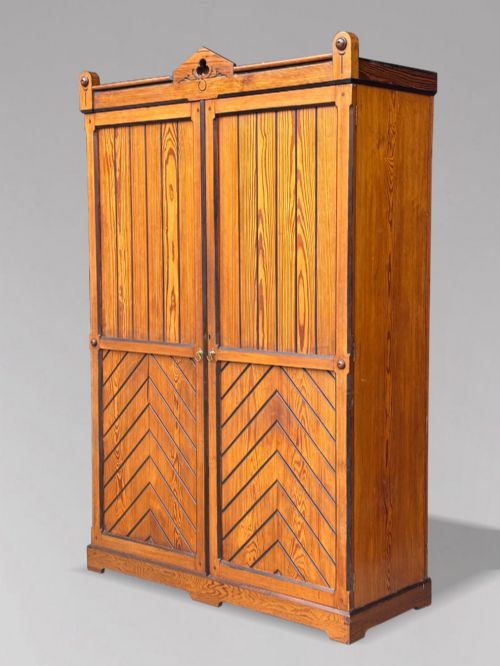
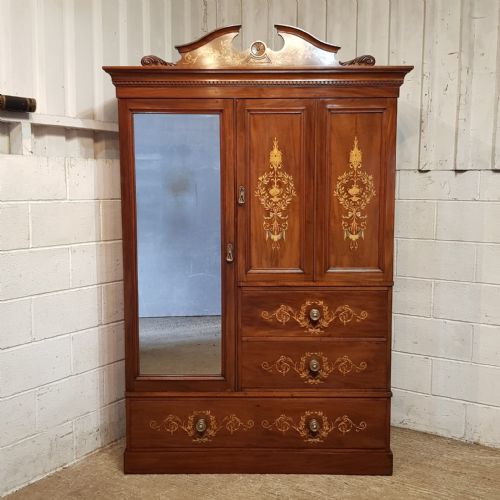
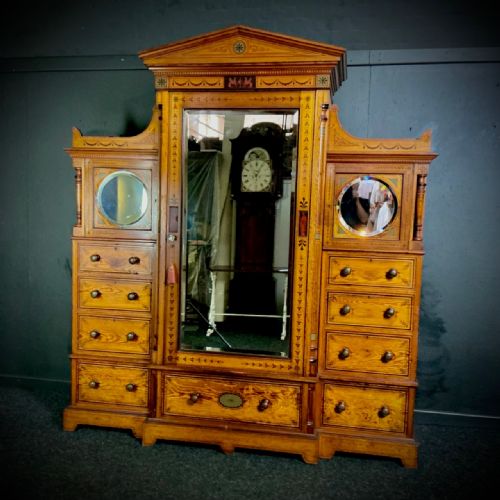
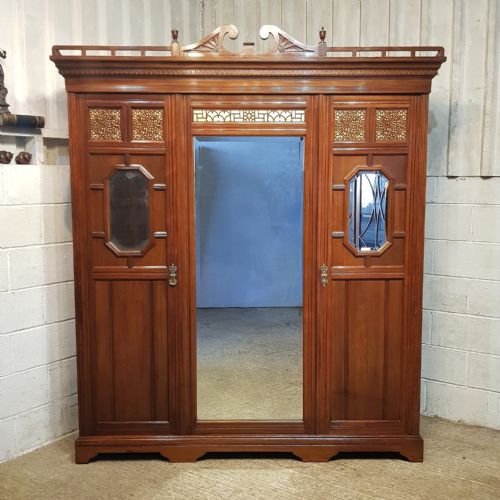
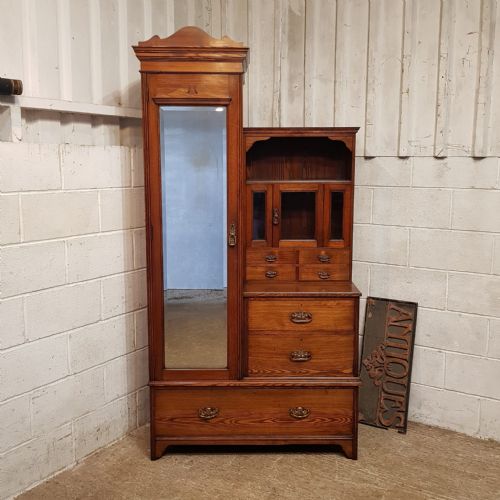
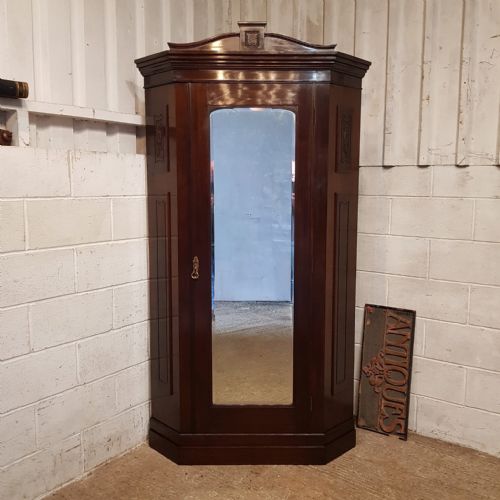
A late victorian armoire wardrobe appears in substantial timber forms spanning the late nineteenth century, predominantly dating from the 1880s and 1890s. These pieces include single door formats, corner variants, double and triple configurations, and complex combination presses.
Makers of the period utilised stylistic idioms ranging from mainstream Victorian to Arts and Crafts designs and Aesthetic Movement details. Buyers frequently encounter large scaled triple wardrobes and compactum formats equipped with internal drawers and hanging space.
Materials and Construction
Cabinet makers built these wardrobes using solid and veneered timbers including mahogany, walnut, burr walnut, ash, satin walnut, maple, satin birch, and pine. Many examples incorporate large mirror glass panels into the doors alongside brass hardware and internal fittings.
Late Victorian Armoire Wardrobe Retail Price Guide 2026
Typical asking prices for late victorian armoire wardrobe among the pieces listed under this phrase on Sellingantiques today, from the lower quarter to the upper quarter. They describe what is for sale here now, not the wider market.
Listings feature timbers including mahogany, walnut, burr walnut, ash, satin birch, maple, and pine, alongside mirror glass and brass hardware.
Design and Execution
The distinction between standard utility pieces and finer examples rests on the selection of timber figures, such as burr walnut or figured mahogany, and the ambition of the design. Works associated with progressive makers demonstrate superior proportion, considered carving, and integrated metalwork.
Complexity of internal arrangement also separates simpler hanging cupboards from sophisticated combination wardrobes and press cupboards featuring specialised drawers and compartments.
Shapland & Petter·Maple & Co.
The Late Victorian Armoire Wardrobe Glossary
- Combination wardrobe
- A piece of bedroom furniture that combines hanging space with fitted drawers, shelves, and sometimes a press section. This multi-functional layout became popular during the late nineteenth century.
- Compactum
- A capacious wardrobe design engineered to maximise storage efficiency within a relatively compact floor footprint. It typically incorporates internal trays, drawers, and hanging compartments.
- Corner wardrobe
- A specialised furniture form shaped to fit neatly into the corner of a room. This space-saving configuration appeared in late nineteenth-century domestic interiors.
- Press cupboard
- A traditional storage furniture item designed for linen and garments, featuring internal shelving or sliding trays enclosed by doors. Examples from the late Victorian period often adopt ash or mahogany timbers.
Late Victorian Armoire Wardrobe: Frequently Asked Questions
What is a combination wardrobe?
A combination wardrobe integrates hanging space with banks of drawers and internal shelving within a single architectural piece. This layout provides comprehensive bedroom storage without requiring separate chests of drawers.
These versatile pieces often include compartmentalised sections for linen and accessories, reflecting the domestic organizational needs of the late nineteenth century.
How do I dismantle a large wardrobe?
Many late nineteenth-century wardrobes were constructed to dismantle into modular sections, including a separate cornice, base, and side panels. Bolts and wooden pegs secure the main frame together.
Marking each component during disassembly ensures straightforward reassembly when moving the furniture into a bedroom.
Where should I place a corner wardrobe?
A corner wardrobe utilises awkward bedroom angles to provide substantial hanging and storage capacity without dominating the room's floor space. These pieces are designed to fit flush against adjacent walls.
Measuring the diagonal clearance and ceiling height ensures the cabinet fits comfortably into the intended corner before installation.
What is an Aesthetic Movement wardrobe?
An Aesthetic Movement wardrobe follows late nineteenth-century design principles focused on artistic refinement and structural honesty. These pieces often feature contrasting timbers and subtle decorative carving rather than heavy historical revival ornamentation.
Such wardrobes pair well with minimalist interiors while retaining genuine nineteenth-century character and utility.