
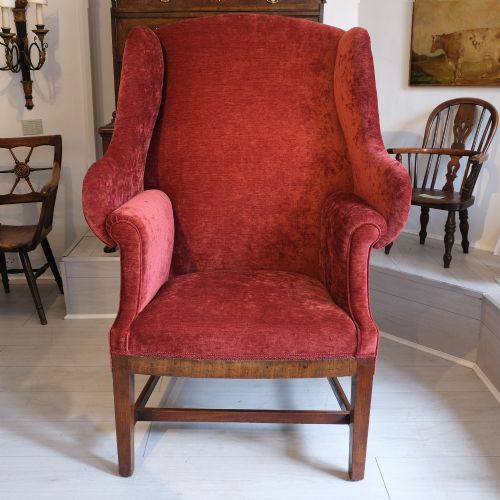


Late Victorian Arm Chair
A late victorian arm chair brings solidity and distinct period character into a room, offering deep seats and varied stylistic revivals.
Late Victorian Arm Chair
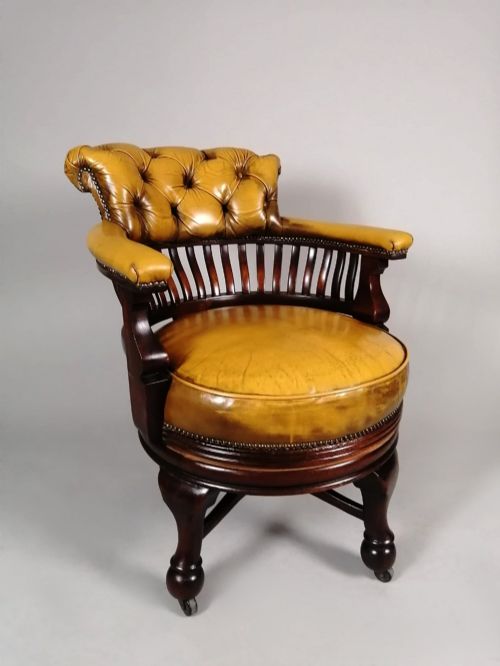
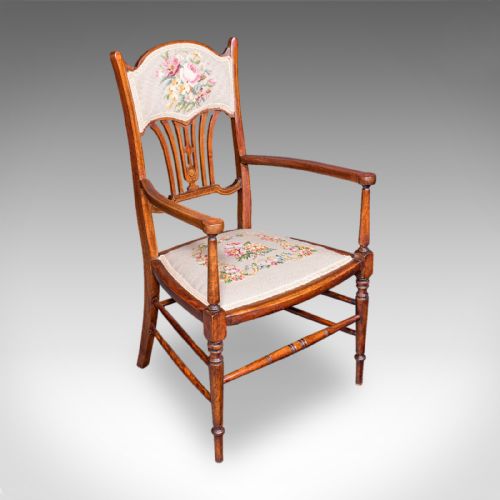
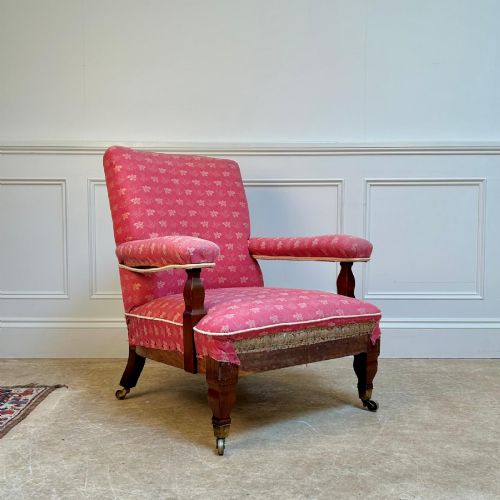
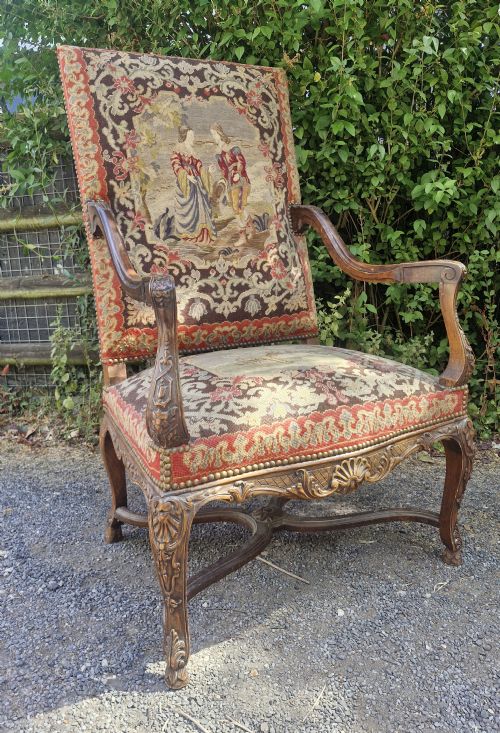
When you examine a late victorian arm chair on this page, you encounter seating originating largely from the nineteenth century, spanning decades such as eighteen eighty and eighteen ninety. The selection encompasses diverse forms ranging from library chairs and revolving desk seats to upholstered wing backs and carved open-arm designs.
The prevailing varieties include button-backed upholstered models, oak library seating, and revived stylistic interpretations referencing earlier eras like the george ii period. Makers of the time also produced specialised seating such as smokers bows and bergere library chairs with woven cane panels.
Originating predominantly within domestic and study contexts, these chairs reflect both comfortable domestic routines and formal Victorian library spaces. Pieces frequently combine traditional English cabinetmaking with the decorative movements popular towards the close of the century.
How they were made
Craftsmen utilised robust timbers including mahogany, walnut, oak, satinwood, and beech to construct the structural frames of a late victorian arm chair. Brass elements appear in hardware and revolving mechanisms, while carved details demonstrate skilled hand woodworking.
Upholstery techniques involved durable fabric, linen, leather, tapestry, and velvet, often secured with buttoning or decorative trim. Frames frequently incorporated inlaid woodwork, ebonising, and hand-painted decorations alongside traditional joinery.
Certain late nineteenth-century models feature curious lion head armrests, ensuring your study companion maintains a distinctly regal expression.
What varies in quality
Quality in a late victorian arm chair rests primarily on the integrity of the timber frame and the precision of hand-carved or inlaid ornamentation. Superior examples display substantial construction, such as solid mahogany or oak frameworks, paired with sophisticated joinery that withstands decades of use.
The distinction between standard production and finer pieces also lies in the execution of stylistic details, whether referencing the aesthetic movement, arts and crafts ideals, or georgian revivals. Original upholstery materials and sympathetic restoration work further separate ordinary seating from exceptional examples.
George Jack For Morris & Co·Howard and Sons·Gillows
The Late Victorian Arm Chair Glossary
- Bergere
- An enclosed armchair with cane or wicker side panels, popular in late nineteenth-century seating designs.
- Wing back
- An upholstered armchair with projecting side pieces designed to shield the occupant from drafts.
- Aesthetic movement
- A late nineteenth-century design style emphasising visual beauty over narrative or moral themes in decorative arts.
- Revolving desk chair
- A swivelling seat designed for office or library use, often constructed from mahogany or oak with leather upholstery.
- Arts and crafts
- A design movement valuing traditional craftsmanship, simple forms, and visible structural honesty.
Late Victorian Arm Chair: Frequently Asked Questions
How do I identify a late Victorian armchair?
Look for construction traits typical of the late nineteenth century, including specific wood types like mahogany or oak and stylistic revivals such as arts and crafts or aesthetic movement influences.
Examining the frame joinery, upholstery style, and carved detailing helps distinguish these pieces from earlier georgian models or later twentieth-century reproductions.
Were these chairs used in offices or homes?
These seating pieces served multiple settings, functioning as library arm chairs, desk chairs for studies, and comfortable upholstered seats for morning rooms.
Heavier wood models and revolving designs suited workspaces, while fabric or leather upholstered wing backs furnished domestic living spaces and bedrooms.
How should I care for leather upholstery?
Maintain antique leather by keeping the material away from direct heat sources and applying appropriate conditioning treatments sparingly to prevent drying.
Dust wooden frames regularly with a soft cloth and protect fabric or needlework covers from prolonged direct sunlight to preserve the textile colours.