



Late Qing Metalwork
Late Qing metalwork brings tangible weight and intricate craftsmanship into a room, offering genuine historical depth through bronze, brass, and enamel.
Late Qing Metalwork
When you search for late qing metalwork, you encounter objects shaped by skilled hands during the late nineteenth and early twentieth centuries. The selection centres on items originating from the Qing Dynasty, alongside occasional Japanese Meiji period examples.
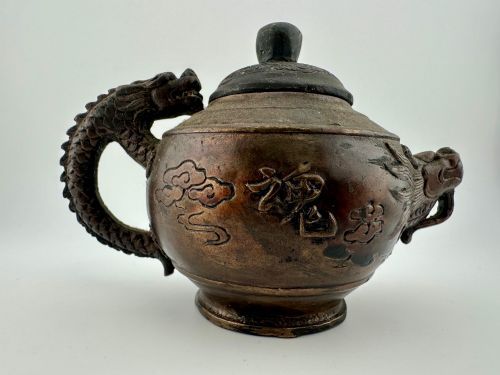
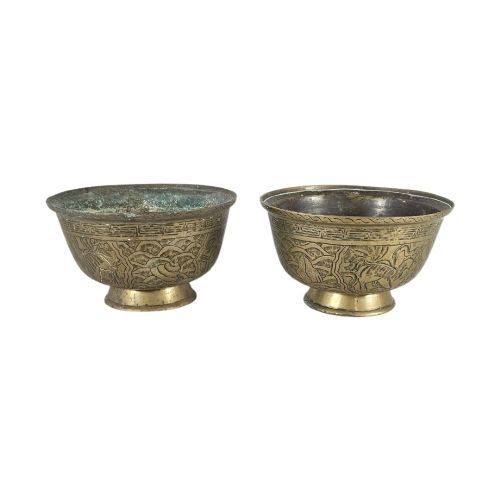
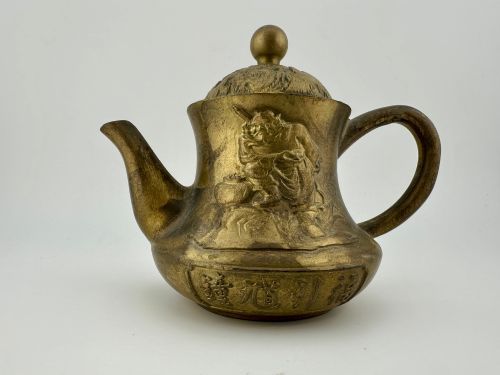
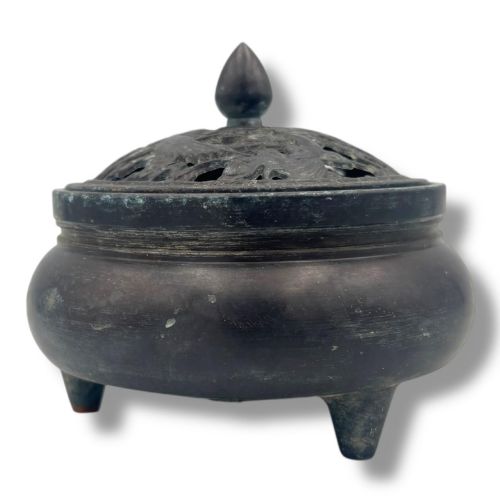
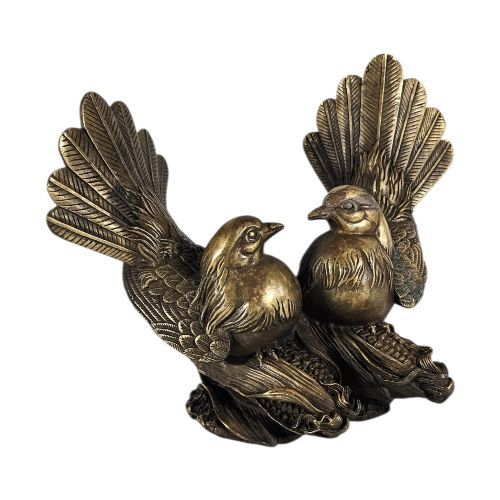
The most frequent forms met on this page include bronze and brass vases, tripod censers, decorative bowls, and teapots. Alongside these, collectors find specialised items such as scholar's brush washers, spectacle cases, and pigeon dove pairs.
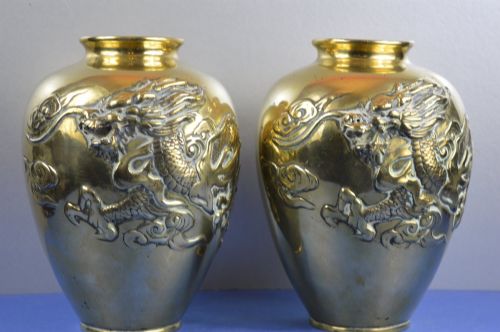
Originating predominantly from Chinese workshops, these pieces represent a period of transition in decorative arts. They range from utilitarian items like tobacco cases to monumental gilt bronze dragon vases weighing several kilograms.
How late qing metalwork was made
Artisans utilised copper, brass, and bronze as the primary metallic substrates for casting and shaping vessels. Gilt bronze and copper alloy were frequently employed to achieve varied surface textures and tonal qualities.
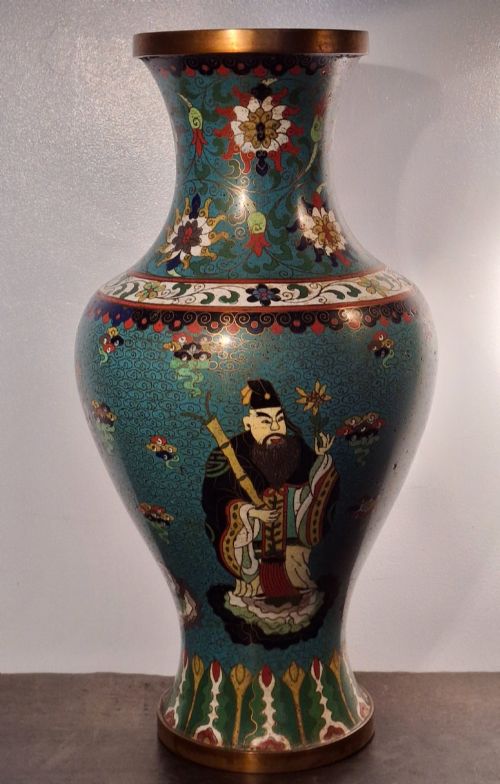
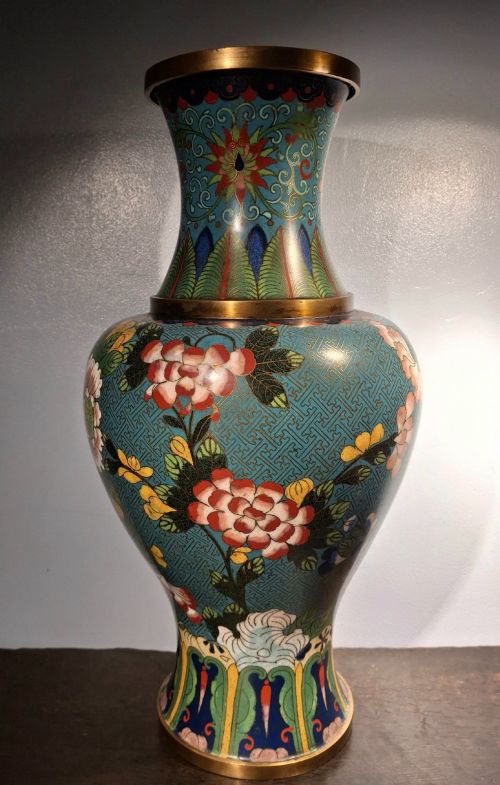
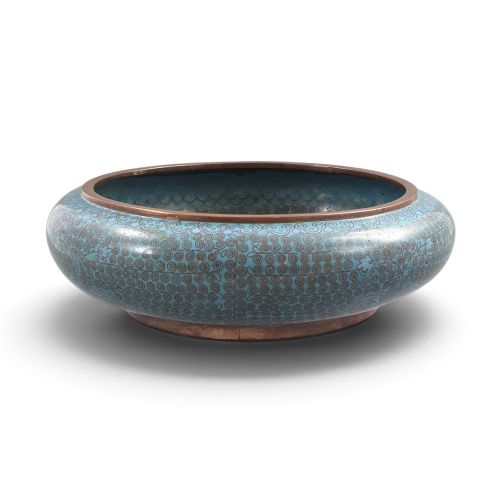
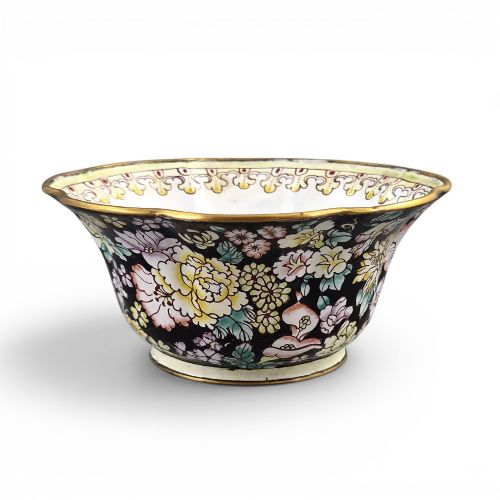
Colour and ornamentation were added through cloisonne enamel, painted enamel-on-copper, and applied gold leaf. Cloisonne cells defined intricate floral and scholarly motifs, while mixed-metal techniques combined different alloys in a single piece.
Late Qing Metalwork Retail Price Guide 2026
Typical asking prices for late qing metalwork among the pieces listed under this phrase on Sellingantiques today, from the lower quarter to the upper quarter. They describe what is for sale here now, not the wider market.
Listings demonstrate a strong concentration of bronze and cloisonne enamel vessels from the 1880s and 1900s.
What varies in quality in late qing metalwork
Quality rests in the precision of the casting and the crispness of applied surface details such as dragons, phoenixes, and lotus patterns. Heavier pieces often demonstrate superior structural substance and material density.
The finesse of the enamelwork distinguishes finer examples, where cells are neatly filled and polished without irregularity. Marks, such as Xuande or Fu stamps, further differentiate standard production from pieces bearing greater historical and aesthetic ambition.
The Late Qing Metalwork Glossary
- Cloisonne enamel
- A technique where metal wires form raised barriers on a surface to enclose coloured enamel paste before firing. This method creates detailed pictorial and floral designs across vases and bowls.
- Tripod censer
- A vessel featuring three supporting legs, traditionally utilised for burning incense during rituals or scholarly pursuits. These forms often incorporate elaborate dragon or phoenix lids.
- Xuande mark
- An impressed or cast seal referencing the earlier Ming dynasty emperor, frequently placed on later Qing bronzes as a mark of reverence rather than a literal date of creation.
- Gilt bronze
- Metal coated with a thin layer of gold through amalgamation or leaf application to provide a lustrous finish. This treatment enhances the visual impact of large decorative pieces.
- Brush washer
- A small basin designed for rinsing scholar's writing brushes in traditional studies. These items frequently employ intricate enamel-on-copper or bronze construction.
Late Qing Metalwork: Frequently Asked Questions
How were incense burners used?
Tripod censers served as vessels for burning fragrant resins and woods in homes and scholarly retreats. Their lidded designs allowed smoke to disperse gently through decorative apertures.
Beyond ritual functions, they operated as significant decorative centrepieces denoting refinement and taste. Their substantial weight provided stability during daily use.
How do I care for bronze?
Bronze requires minimal intervention to maintain its natural patina over decades of display. Dusting with a dry, soft cloth prevents particulate accumulation without disturbing the surface.
Avoid chemical polishes and abrasive cleaners that strip away historical age and colour. Stable indoor humidity protects enamel and mixed-metal elements from deterioration.
How do I date these pieces?
Dating relies on stylistic markers, material composition, and manufacturing techniques recorded across the period. Reference points include Guangxu period characteristics and late nineteenth-century alloy treatments.
Apocryphal marks must be weighed alongside physical wear and construction methods to establish an accurate timeframe. Most identified examples cluster around the eighteen-eighties to nineteen-hundreds.