




Oriental Bronze Basin
These oriental bronze basin pieces are substantial vessels for plants and ritual use, bringing distinct Asian and European design traditions into your room.
Oriental Bronze Basin
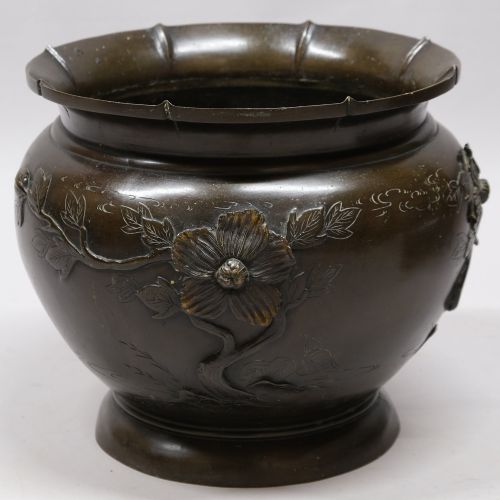
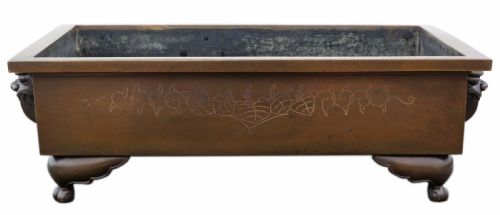
An oriental bronze basin is primarily represented here by Japanese jardinieres, planters, and Chinese ritual vessels spanning the eighteenth, nineteenth, and early twentieth centuries. You will most frequently encounter Japanese bronze bowl planters originating from the Edo and Meiji periods, alongside Chinese archaistic food bowls and decorative dishes.
Forms range from large Suiban Ikebana arrangements to Buddhist tearai vessels and heavy decorative jardinieres. The pieces appear across several eras, including Victorian-period imports and early twentieth-century examples.
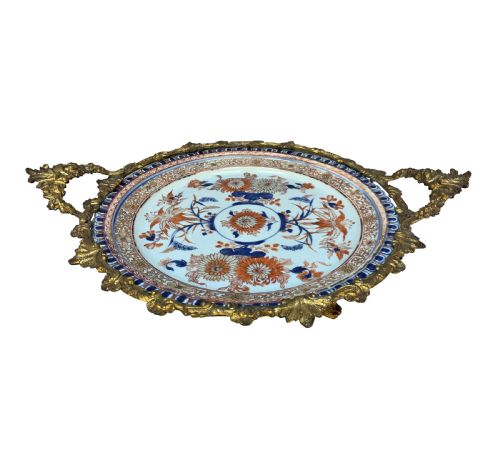
Chinese pieces in this selection introduce porcelain elements and archaistic forms, contrasting with the Japanese bronze planters designed for botanical display. The physical weight of these items varies considerably, with certain examples exceeding two kilograms.
Materials and Techniques
The objects are constructed predominantly from bronze and brass, often finished with patinated surfaces that alter the tone of the metal. Gilt bronze and ormolu mounts appear on specific decorative plates, combining cast metal with porcelain.
Casting methods create the heavy walls of the ritual vessels and jardinieres, whilst surface patination and incised detailing define the Japanese Meiji and Edo period items. The integration of ormolu mounts demonstrates European decorative intervention on Asian ceramic bodies.
The listings combine materials including bronze, brass, porcelain, and ormolu across the nineteenth and twentieth centuries.
Quality and Distinction
Quality rests in the crispness of the cast decoration and the depth of the metal patination rather than mere age. Substantial weight and balanced proportions distinguish robust ritual vessels and large planters from lighter decorative wares.
The refinement of surface detail, particularly on Meiji period Japanese pieces and archaistic Chinese bowls, separates standard decorative objects from finer examples of metalwork.
The Oriental Bronze Basin Glossary
- Jardiniere
- An ornamental pot or stand for holding plants or flowers. These large bowls often sit on tables or directly on the floor.
- Suiban
- A shallow basin used for Japanese floral arrangements, particularly Ikebana. Water is held in the base to support cut stems and stones.
- Meiji Period
- A notable era in Japanese history spanning from 1868 to 1912. Metalwork from this time often displays intricate patination and traditional casting techniques.
- Edo Period
- The period of Japanese history lasting from 1603 to 1867. Pieces originating from late Edo exhibit traditional forms and heavy bronze casting.
- Archaistic
- A style that consciously imitates ancient forms and motifs. Chinese pieces in this group reference much older ritual vessel designs.
- Ormolu
- Gilt bronze ornamentation applied to furniture or porcelain. This technique appears on eighteenth-century mounting work.
Oriental Bronze Basin: Frequently Asked Questions
What is an oriental bronze basin used for?
These vessels function primarily as jardinieres and planters to hold large botanical displays in interior spaces. Historically, certain examples served as ritual food bowls or water containers such as Buddhist tearai.
Today, buyers utilise them as decorative centrepieces or functional plant holders that bring substantial metal texture to a room. Their heavy construction allows them to support sizeable indoor plants and floral arrangements securely.
How do I identify a Meiji period piece?
Meiji period bronze items date between 1868 and 1912 and typically feature refined patination and detailed casting. Look for characteristic surface treatments and traditional Japanese botanical or geometric motifs.
Makers from this era produced heavy planters and Suiban basins designed for export as well as domestic use. The quality of the bronze work remains a primary indicator of this specific period.
Are these basins suitable for outdoor plants?
Most of these vessels are intended for interior display as jardinieres or decorative bowls. Placing them outdoors exposes the patinated bronze and brass surfaces to weather that may alter the finish.
Using a protective inner liner helps manage moisture if you place living plants inside them indoors. This protects the historic metal interior from direct contact with damp soil and water.
What is the difference between Edo and Meiji pieces?
Edo period pieces date from before 1868 and represent earlier traditional Japanese metalworking traditions. Meiji period items follow after 1868, often showing increased production for international export markets.
Both periods utilise bronze casting for planters and basins, but stylistic details in the patination and form help distinguish the eras. Comparing the decorative motifs assists in separating the two Japanese periods.