

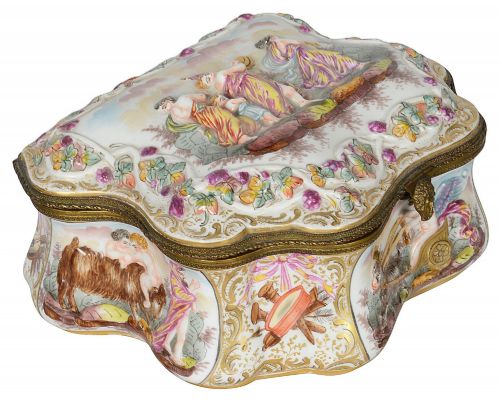


Late Nineteenth Century Ceramic
These late nineteenth century ceramic pieces range from large Japanese vases to delicate porcelain figurines, bringing period character and colour into a room.
Late Nineteenth Century Ceramic
When you search for late nineteenth century ceramic, you find a diverse assortment of objects produced during the Victorian and Meiji periods, including vases, jardinières, figurines, and decorative bowls. The selection covers European porcelain, earthenware, and parian ware alongside substantial imports from China and Japan.
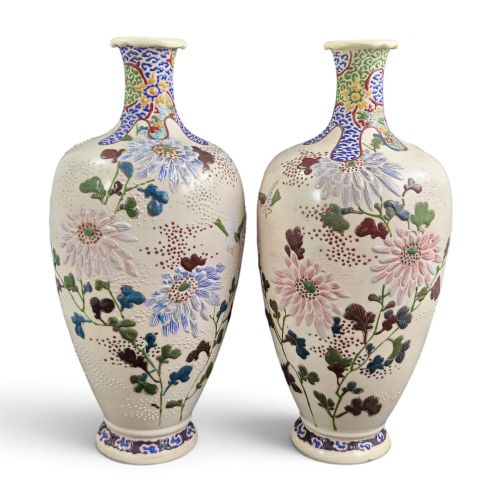
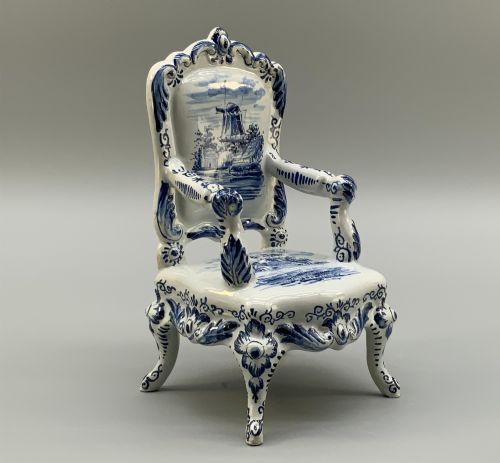
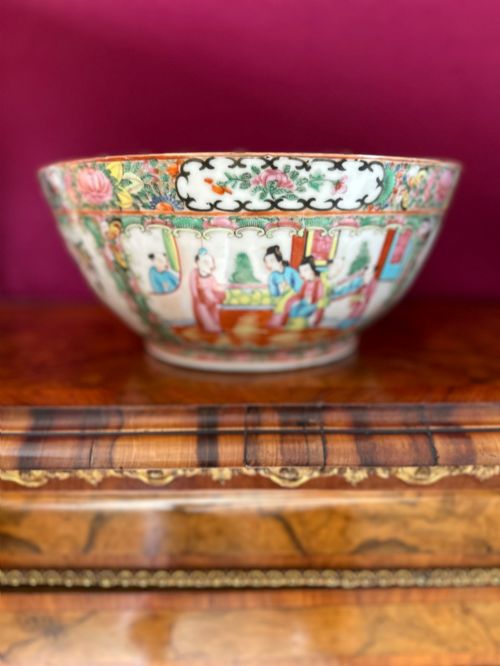
The English and continental works frequently take the form of figures, lidded vases, and jewellery caskets influenced by historic revival styles and early art nouveau. Alongside these sit distinct Dutch delft pottery pieces and Japanese export wares decorated with cobalt, gilt, and moriage.
Buyers seeking these works will encounter utilitarian items transformed into display pieces, such as garden seats and brush pots, as well as specialised decorative wares from known European potteries and Japanese workshops.
How they were made
Makers utilised porcelain, earthenware, terracotta, and parian body compositions, shaping them through casting, moulding, and throwing on the wheel before firing.
Surface decoration involved hand-painted cobalt blue, polychrome enamel glazes, gold leaf, and applied relief work like moriage, often sealed beneath a clear or coloured glaze.
Specialist techniques included lacquer panel insertions on Japanese vases and biscuit firing for unglazed parian figurines, achieving both matte textures and high-gloss finishes.
Nineteenth-century ceramic cows wear bright blue Dutch jackets with an air of absolute authority.
What varies in quality
Quality depends upon the precision of the modelling and the crispness of the painted or moulded details, distinguishing mass-produced wares from master-thrown or finely sculpted examples.
The depth and consistency of glazes, the registration of enamel colours, and the application of gold leaf or gilt highlight the skill invested in the piece during its workshop production.
Tunnicliffe·Bernard Bloch·Doulton Burslem·Kinrin Workshop·Sitzendorf·Royal Worcester·Ernst Whaliss·Triebner Ens & Co
The Late Nineteenth Century Ceramic Glossary
- Bisque Porcelain
- Un-glazed white porcelain fired once to produce a matte, marble-like texture ideal for figural sculptures. It is also known as biscuit porcelain.
- Moriage
- A Japanese ceramic technique using clay piped from a bag to create raised ornamental details and patterns beneath glazes. This method frequently appears on Satsuma wares.
- Imari
- Japanese export porcelain decorated in underglaze blue, iron red, and gold, named after the port from which it was shipped to Europe. The palette remains rich and distinctive.
- Jardiniere
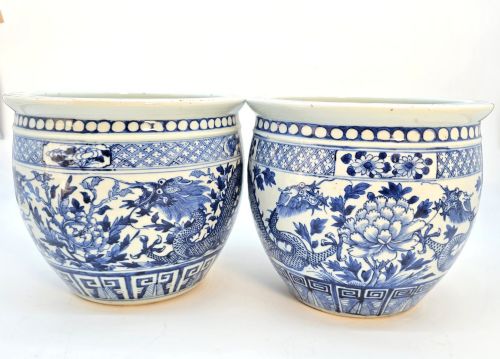
- A large ornamental pot or stand designed to hold live plants or floral displays. They are often potted in heavy earthenware or porcelain for stability.
Late Nineteenth Century Ceramic: Frequently Asked Questions
How do I clean ceramic vases safely?
Dust surfaces gently with a dry, soft-bristled brush to remove accumulated particles without abrading delicate gilt or enamel decoration. Avoid submerging pieces with applied lacquer panels or metal additions in water.
For glazed porcelain without fragile surface additions, use lukewarm water and mild soap on a damp cloth, drying immediately with a lint-free towel.
Where should I display large floor vases?
Position substantial vases and jardinières in low-traffic corners or on sturdy pedestals where they remain secure from accidental knocks. Ensure they sit away from direct, harsh sunlight to protect painted enamels and gold leaf over time.
Pairing matching floor vases symmetrically on either side of a fireplace or entryway highlights their scale and decorative presence.
What is parian ware?
Parian ware is a type of fine biscuit porcelain developed in the nineteenth century to imitate carved white marble. Victorian potteries used it extensively for classical figures and portrait busts.
The unglazed surface has a smooth, matte finish that absorbs light softly, revealing delicate anatomical details and drapery folds.