
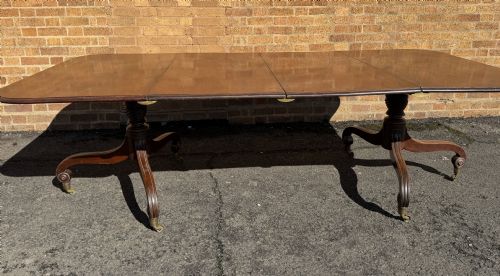
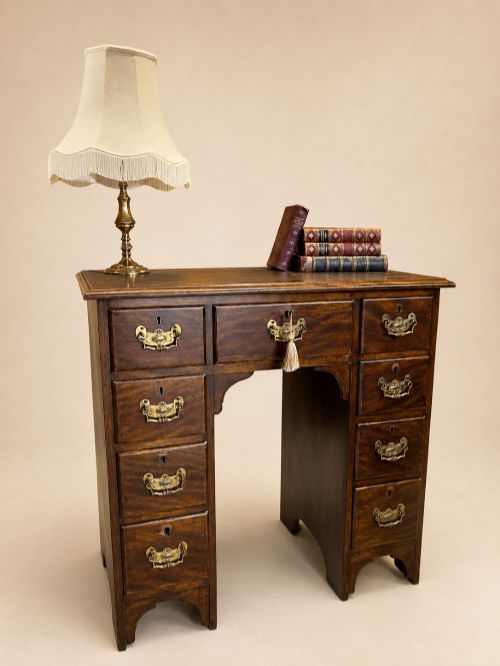
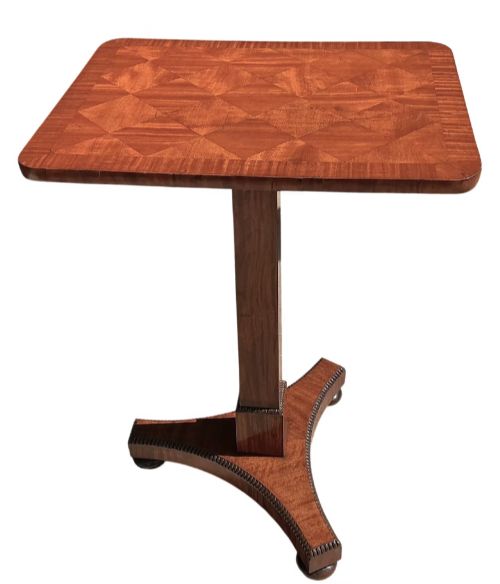
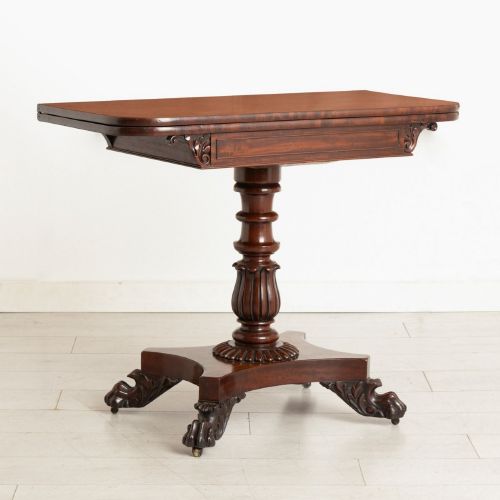



Late Georgian Pedestal Table
A late georgian pedestal table brings solid timber craft and sculptural tripod or pillar bases together for everyday utility.
Late Georgian Pedestal Table
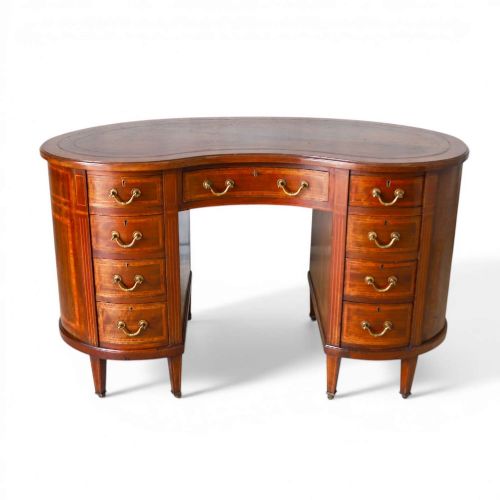
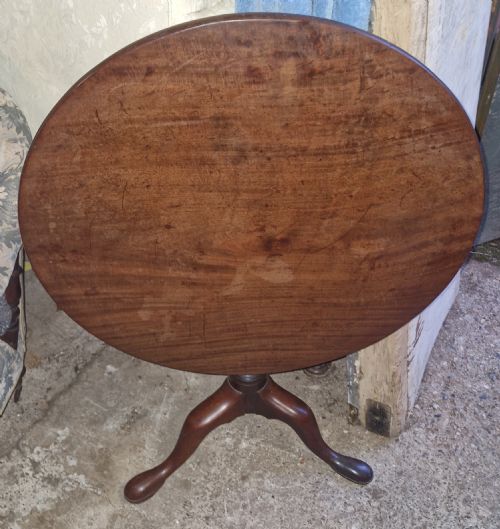
When buyers search for a late georgian pedestal table, they encounter versatile forms spanning dining tables, breakfast tables, and occasional pieces originating from the late eighteenth and early nineteenth centuries. The pieces on this page lean heavily toward mahogany and rosewood constructions, featuring single pillars or twin-pillar formats designed for domestic use.
The predominant examples include tripod bases and circular breakfast tables alongside card tables and games tables dating from the Georgian and Regency periods. These forms reflect a distinct shift toward freestanding centre tables and pedestal dining arrangements that suited the drawing rooms and dining parlours of the era.
What varies in quality
The distinction between standard examples and superior pieces rests upon the choice of timber and the precision of the carving. Selection of highly figured flame mahogany veneer or solid burr elm elevates a piece above simpler domestic timber constructions.
Refinement in the turning of the pedestal column and the sculptural execution of the tripod base dictate the overall architectural harmony. Original surfaces, untouched leather inserts, and well-preserved brass hardware further separate ordinary workshop output from exceptional furniture.
One exceptional piece includes a carved walnut eagle console table standing ready to watch over the hallway.
Gillows·Thomas Myers
The Late Georgian Pedestal Table Glossary
- Pedestal table
- A table supported by a central pillar or column rather than four corner legs. This format allows greater legroom and flexibility of placement in a room.
- Tripod base
- A three-legged support system radiating from a central pillar. These legs are often splayed and finished with brass castors.
- Flame mahogany veneer
- A thin slice of mahogany timber cut to reveal a distinctive, flamy grain pattern. Cabinetmakers applied this over secondary woods for decorative effect.
- Breakfast table
- A tilting or fixed circular table popular for morning meals and informal gatherings during the Georgian period.
- Card table
- A folding table designed for evening gaming, featuring a hinged top that opens to reveal a baize or wood playing surface.
Late Georgian Pedestal Table: Frequently Asked Questions
How do I identify a late georgian pedestal table?
Look for characteristic timber choices such as mahogany or rosewood, combined with a central pillar support and tripod or pedestal base. Dating relies on stylistic cues from the Georgian and Regency eras, including specific leg profiles and joinery methods.
Examine the construction underneath for period hand-tool marks and traditional assembly techniques. These details distinguish authentic pieces from later revivals.
Were these tables used for dining?
Many larger examples served as breakfast or dining tables, particularly those featuring circular single-piece tops or twin-pillar extending formats. Their central pedestals allowed diners to sit comfortably without corner legs obstructing the space.
Smaller versions functioned as occasional, card, or tea tables in drawing rooms. The format adapted easily to various domestic needs throughout the house.
How do I care for mahogany veneer?
Keep wooden surfaces away from direct sunlight and consistent heat sources to prevent the timber veneer from drying out or splitting. Regular dusting with a soft, dry cloth maintains the finish without needing harsh polishes.
Maintain stable room humidity to protect both the solid timber elements and the underlying structural joints. Gentle care preserves the original surface lustre for years to come.
What is the difference between Georgian and Regency styles?
Georgian furniture generally displays restrained classical proportions, often utilising mahogany with subtle carving and bracket feet. Regency design introduces bolder architectural influences, incorporating brass details, rosewood, and more pronounced classical motifs.
Both periods overlap during the early nineteenth century, leading to transitional pieces that share characteristics of each era. The distinction lies in the evolution of decorative motifs and structural ornamentation.