



Late 19th Century Weaving
Late 19th century weaving brings tactile depth and rich pattern into a room through hand-knotted carpets, tribal rugs, and textile panels.
Late 19th Century Weaving
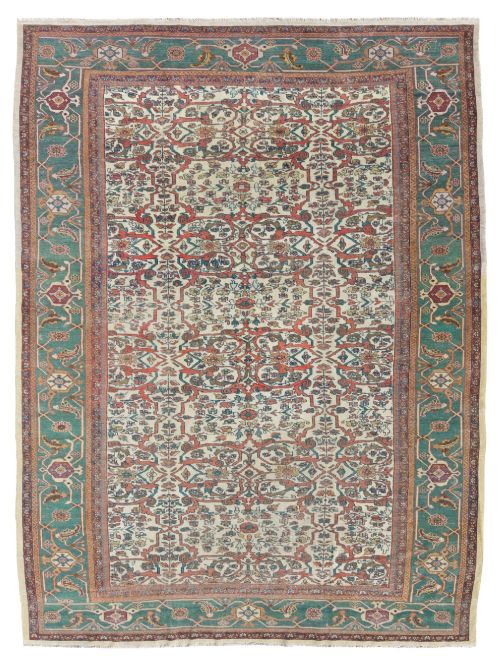
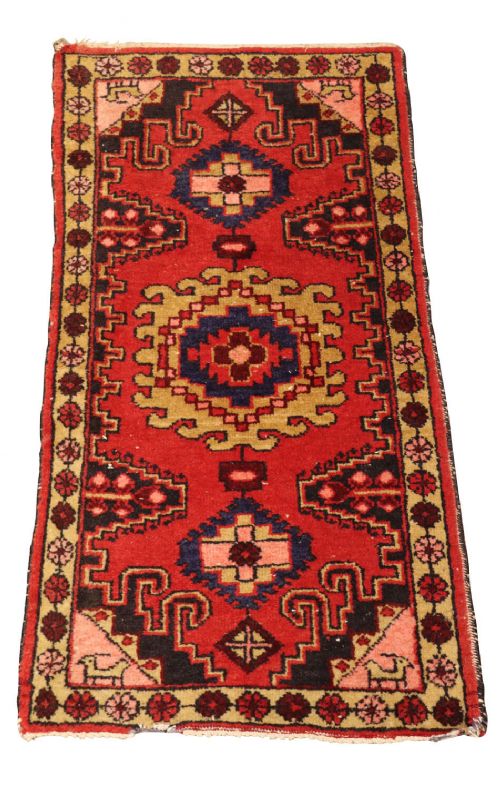
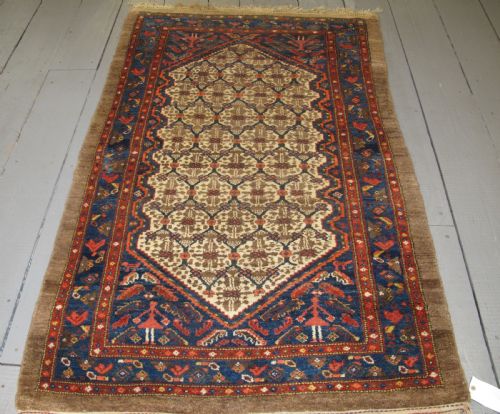
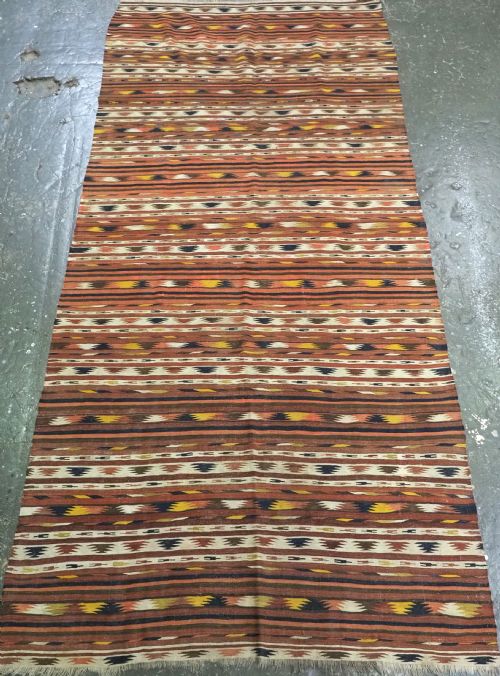
Late 19th century weaving encompasses hand-knotted carpets, flatwoven kilims, saddle bags, and wall tapestry panels originating from Persian, Caucasian, Anatolian, and Turkmen traditions. These pieces reflect regional nomadic and village aesthetics, balancing geometric motifs with intricate repeat patterns.
The selections on this page span the 1870s to the early 1900s, capturing a period when traditional dye methods and hand-weaving techniques remained standard practice across village workshops and nomadic camps.
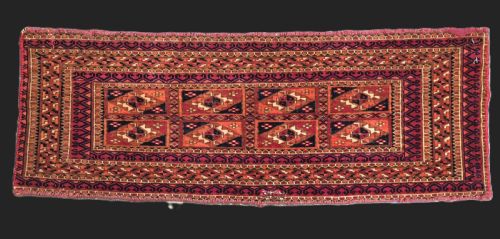
Buyers seeking late 19th century weaving will encounter room-sized carpets alongside smaller utilitarian items like torbas, mafrash storage bags, and long runners designed for specific functional roles.
Materials and construction methods
Wool serves as the primary material for pile rugs and flatwoven kilims, providing the dense foundation necessary for enduring daily use and complex pattern work. Cotton appears frequently as a structural warp and weft fibre, offering stability and crisp definition to intricate motifs.
Weavers utilised hand-knotting and flatweaving techniques, integrating natural materials such as wool and cotton with dyes derived from local plants and minerals to achieve lasting colour depth.
Listings feature wool, cotton, and pine materials across forms including rugs, baskets, miniature cabinets, and storage bags.
Distinctions in quality
Quality in late 19th century weaving rests on knot density, the precision of the tribal geometry, and the condition of the wool pile or flatweave surface. Tighter weaves and well-preserved borders indicate superior craftsmanship from skilled regional makers.
The nuance and saturation of the dyes distinguish finer examples from standard production, as skilled dyers achieved complex hues that patinate gracefully over decades of use.
The Late 19th Century Weaving Glossary
- Kilim
- A flatwoven carpet or rug produced without a pile, common in Turkish, Persian, and Caucasian traditions. These textiles rely on tightly packed horizontal and vertical interlacings.
- Torba
- A small Turkmen storage bag traditionally used inside a yurt for household items. They often display distinctive guls and fine weave structures.
- Mafrash
- A large rectangular storage bag or chest panel originating from Shahsavan and Caucasian tribes. They were woven flat or in mixed techniques to hold bedding and clothing.
- Herati
- A repeating botanical pattern featuring a central floral motif enclosed within a rhombus flanked by leaf forms. This classic design appears across Persian and tribal rugs.
- Warp
- The vertical threads stretched tightly on a loom that form the structural foundation of a woven textile. Wefts are passed across them to lock the design in place.
Late 19th Century Weaving: Frequently Asked Questions
How do I care for an antique rug?
Vacuum gently without using a beater bar to protect the wool pile and fringe. Rotate the textile periodically to ensure even wear from foot traffic and sunlight exposure.
Professional cleaning by a specialist in antique textiles is recommended every few years. Avoid harsh chemical spot treatments that can damage natural wool fibres.
Where were these tribal rugs made?
These textiles originate from regions including Persia, the Caucasus, Anatolia, and Central Asia. Nomadic tribes and village communities produced them for domestic use and local trade.
Specific groups such as the Tekke Turkmen, Shahsavan, and Afshar developed distinct visual vocabularies and knotting techniques that identify their geographical roots.
What is the difference between a kilim and a carpet?
Kilims are flatwoven textiles with no pile, created by tightly interlocking weft threads over warps. They feel thinner and serve well as wall hangings or light floor coverings.
Carpets feature a hand-knotted pile of wool or cotton yarns clipped to an even height, offering a thicker cushion and heavier structure suited for high-traffic areas.
How can I date late 19th century weaving?
Dating relies on stylistic analysis, structural examination of the weave, and the types of dyes present. Natural dye palettes combined with specific tribal motifs point towards the Victorian era and turn of the century.
Edge finishes, wool characteristics, and regional weaving structures provide additional clues for placing a piece within the 1870 to 1920 timeframe.