


Late 19th Century Sofa
A late 19th century sofa brings substantial period character and traditional craftsmanship into a room, offering deep comfort alongside historic design.
Late 19th Century Sofa
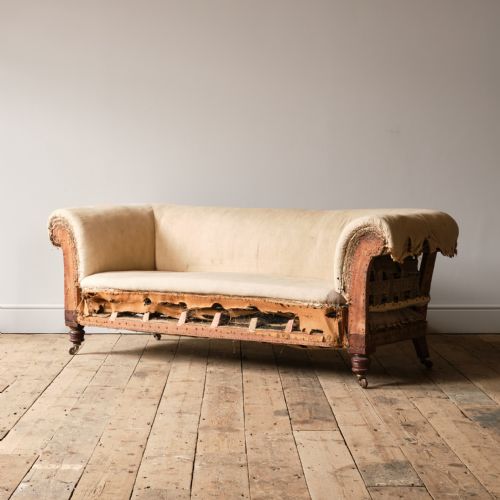
When you search for a late 19th century sofa, you encounter a diverse range of seating originating from the Victorian era through to the turn of the century. These pieces encompass everything from heavily buttoned Chesterfields and deep country house designs to lighter salon seats influenced by French tastes.
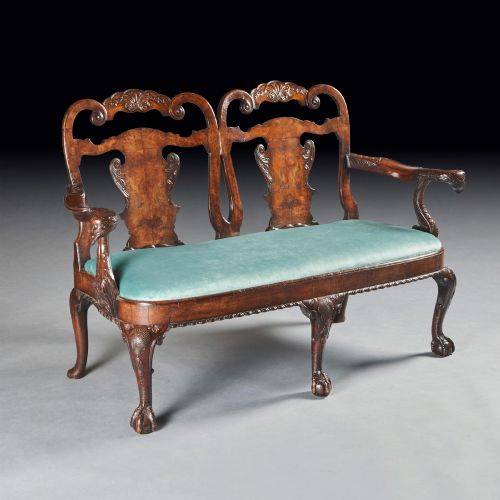
You are most likely to meet upholstered two-seater settees and walnut or mahogany frames on this page, often reflecting revival styles such as Sheraton, Chippendale, or Louis XV. The selection also includes specific forms like drop-arm sofas, window seats, and canapés reflecting the varied domestic fashions of the period.
The periods represented stretch across Victorian decades, bringing together dark hardwoods, painted finishes, and diverse textile coverings. Whether structured for formal reception rooms or deep relaxation, each piece demonstrates the upholstery and cabinet-making standards of the late Victorian epoch.
How they were made
Makers of the era relied on sturdy timber frames constructed from mahogany, walnut, oak, and satinwood to provide a stable structural skeleton. These woods were frequently carved, turned into legs, or inlaid with contrasting veneers to achieve the desired aesthetic.
Upholstery techniques involved traditional stuffing materials layered over webbing and springs, secured with hessian and finished in velvet, silk, leather, or patterned fabric. Brass fittings and castors often completed the lower assembly on larger upholstered couches and Chesterfields.
Listings feature mahogany, walnut, and oak frames paired with velvet, leather, and original hessian foundations across various Victorian revival styles.
What varies in quality
The distinction between standard examples and top-tier pieces lies in the crispness of the timber carving and the sophistication of the joinery. Finer specimens display meticulous hand-carved details, balanced proportions, and superior cabinet timbers such as figured walnut or decorated satinwood.
Upholstery execution and the retention of original decorative elements also dictate the standing of a piece. Examples retaining high-grade historic textiles or executed in the manner of renowned workshops command greater appreciation for their authenticity and material integrity.
Butlers of Dublin
The Late 19th Century Sofa Glossary
- Chesterfield
- A large upholstered sofa characterised by deep button-tufting and rolled arms of equal height to the back. This style has remained a staple of British interior design for generations.
- Canapé
- A decorative French-style settee with an exposed wooden frame, often carved and gilded. These pieces typically feature open arms and upholstered backrests.
- Drop-arm sofa
- A specialised seating form featuring at least one hinged arm that can be lowered horizontally. This mechanical adaptation allows the user to recline comfortably.
- Satinwood
- A dense, light-coloured tropical timber prized for its lustrous sheen. It was frequently used for fine inlaid furniture during the late Victorian period.
- Hessian
- A coarse woven fabric, typically made from jute fibres, utilised as a foundational support layer beneath top upholstery and stuffing.
Late 19th Century Sofa: Frequently Asked Questions
What defines a late 19th century sofa?
A late 19th century sofa is a piece of antique seating produced primarily during the Victorian era, utilising traditional timber frames and classic upholstery methods. These items range from heavy buttoned Chesterfees to lighter revival styles influenced by French and Georgian designs.
They reflect the domestic comfort and cabinet-making standards of the late 1800s, often incorporating materials like mahogany, walnut, and velvet.
How do I care for antique upholstery?
Caring for historic upholstery involves gentle vacuuming with a soft brush attachment to remove dust without stressing the fabric or internal stuffing. Keep these pieces away from direct sunlight and heat sources to prevent the textiles and underlying woods from drying out.
Professional cleaning is recommended for delicate fabrics like silk or velvet to preserve the structural integrity of the period materials.
Where were these sofas placed originally?
These sofas served various roles depending on their style, functioning as formal seating in Victorian drawing rooms, libraries, and grand hallways. Lighter salon sofas and window seats were positioned to catch natural light or fill smaller alcoves in townhouses.
Country house sofas were designed for larger, relaxed living spaces where deep seating and durability were prioritized.
How can I tell the period?
Dating relies on observing timber choices, construction techniques, and stylistic revival cues characteristic of the Victorian era. The presence of hand-turned walnut legs, specific hardware like brass castors, and traditional upholstery foundations help confirm the manufacturing timeframe.
Comparing the decorative motifs, such as Sheraton or Louis XV revivals, against documented period designs provides further chronological clarity.