
Late 19th Century Armchair
A late 19th century armchair brings historic comfort and distinct period character into a modern interior through diverse regional and revival designs.
Late 19th Century Armchair
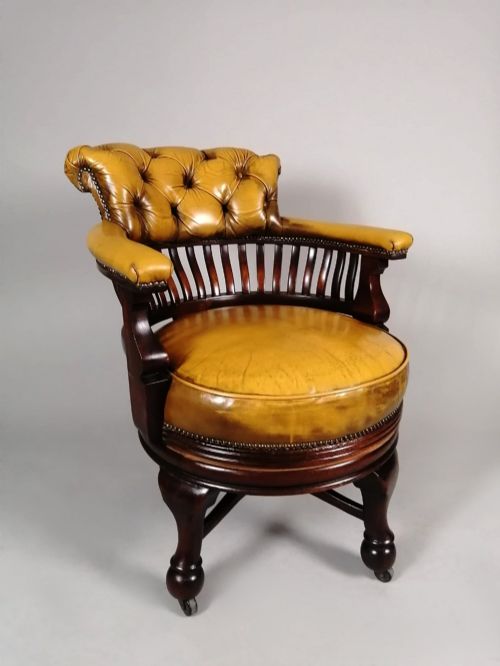
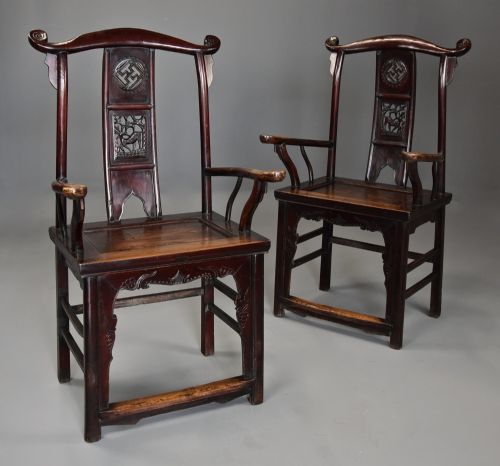
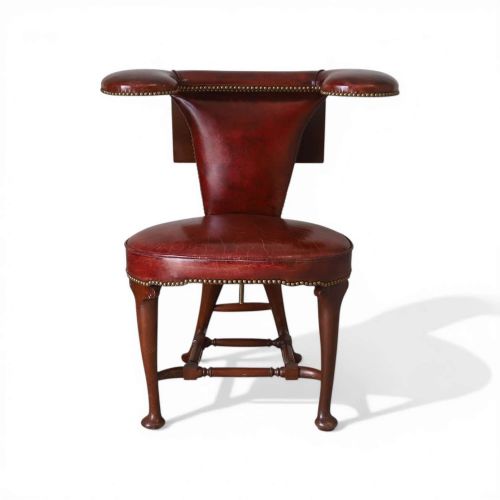
When searching for a late 19th century armchair, buyers encounter a wide variety of seating forms spanning domestic, office and formal reception uses. The selection includes deep-seated library chairs, country Windsor models in elm and beech, and revival pieces echoing earlier Georgian or French styles.
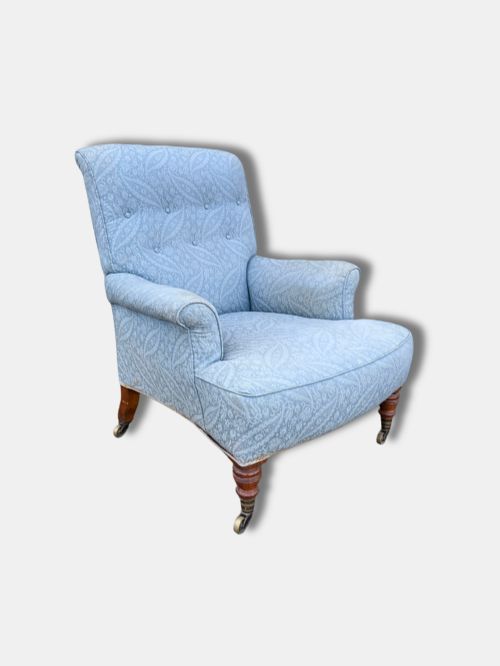
English country house styles, particularly low-slung sprung models associated with specific makers, appear frequently alongside formal mahogany armchairs with carved details. Buyers also find desk chairs, revolving library seats, and spindle-backed fireside chairs originating from the Victorian and Edwardian transition periods.
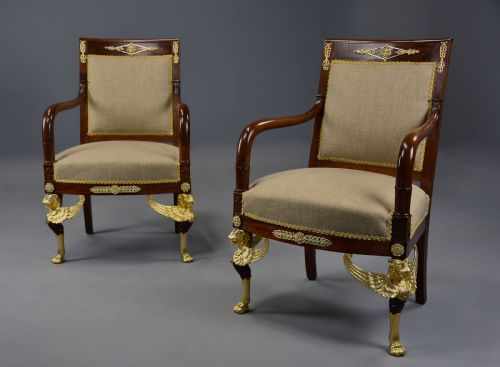
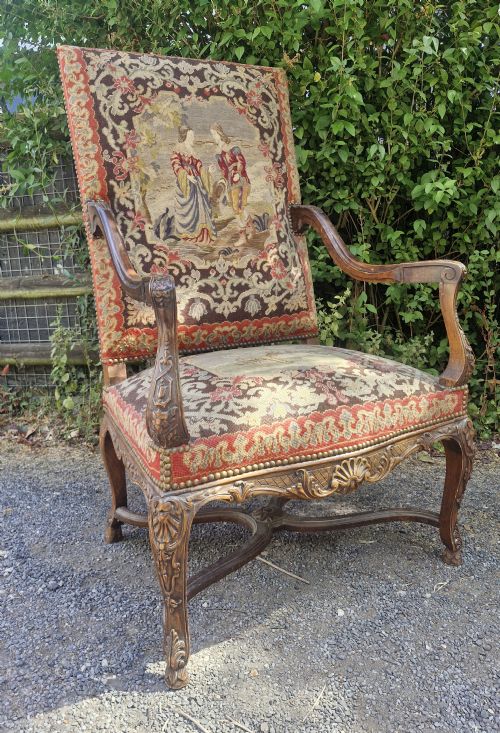
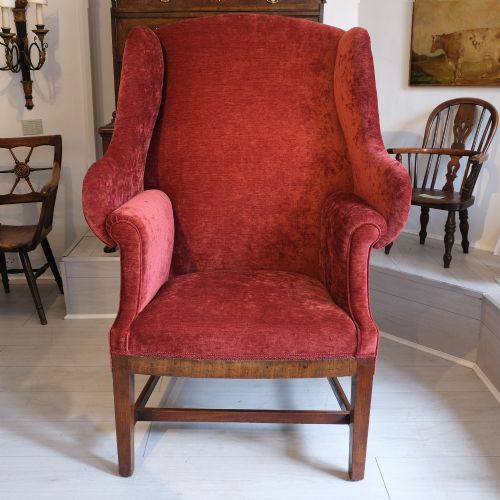
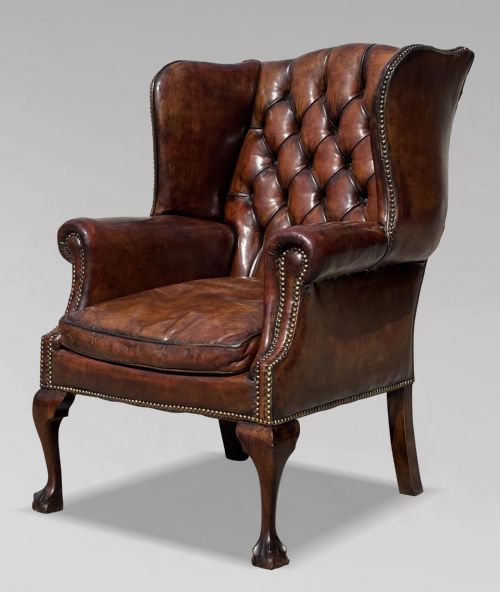
Construction methods range from robust vernacular framing in oak and walnut to refined French giltwood and mahogany frames upholstered in leather, velvet, or needlework. These diverse origins mean a buyer can select an imposing button-backed wing chair or a light Arts and Crafts rush-seated chair depending on the desired interior context.
How They Were Made
Frames are constructed from solid timbers such as mahogany, walnut, oak, beech, and elm, often jointed with traditional mortise and tenon techniques. Turnery, hand-carving, and applied veneers define the wooden elements of the more formal revival and stylistic pieces.
Upholstered variants rely on traditional stuffing materials secured over webbed frames with coiled metal springs, finished with horsehair, wool, or cotton stuffing. Outer coverings of leather, velvet, needlework, or printed fabric are traditionally fixed with brass tacks or decorative gimp banding.
Late 19th Century Armchair Retail Price Guide 2026
Typical asking prices for late 19th century armchair among the pieces listed under this phrase on Sellingantiques today, from the lower quarter to the upper quarter. They describe what is for sale here now, not the wider market.
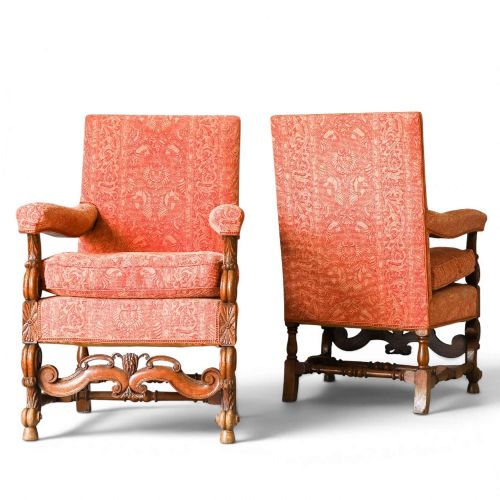
Several armchairs are sold in matched pairs for 'His' and 'Hers' fireside seating.
What Varies In Quality
The integrity of the underlying timber frame dictates structural longevity, with dense hardwoods providing superior stability compared to softer secondary woods. Hand-carved ornament depth and crispness differentiate standard production seating from bespoke workshop output.
Upholstery execution and the retention of original stuffing materials or leather patination heavily influence the overall character and finish. Chairs retaining authentic surface finishes, patinated leather, or original lacquering represent the higher tier of surviving examples.
Howard & Sons·Morris & Co·Hindley & Wilkinson·Holland & Sons
The Late 19th Century Armchair Glossary
- Bergère
- An enclosed upholstered armchair with wooden framing around the back and sides, often featuring cane work panels. This French seating form gained popularity in various revival iterations.
- Wingback
- A high-backed armchair featuring projecting side panels designed to shield the sitter from drafts and retain fireplace heat. These deep-seated chairs are commonly upholstered in leather or heavy fabric.
- Smokers Bow
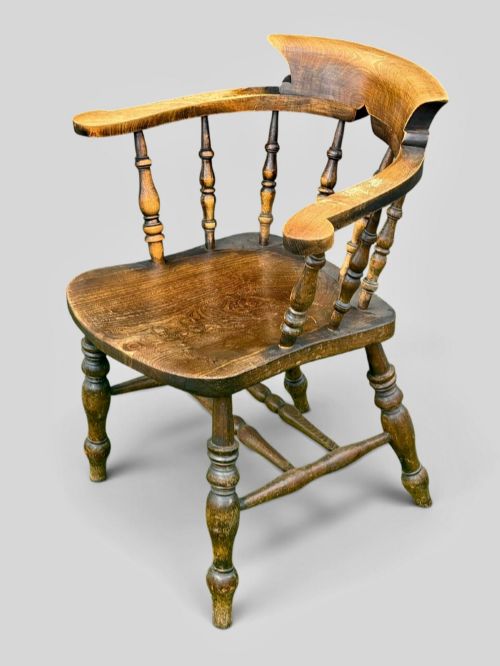
- A sturdy, low-backed wooden armchair related to the Windsor tradition, featuring a rounded spindle back and a saddle seat. They were widely used in domestic parlours and commercial offices.
- Fauteuil
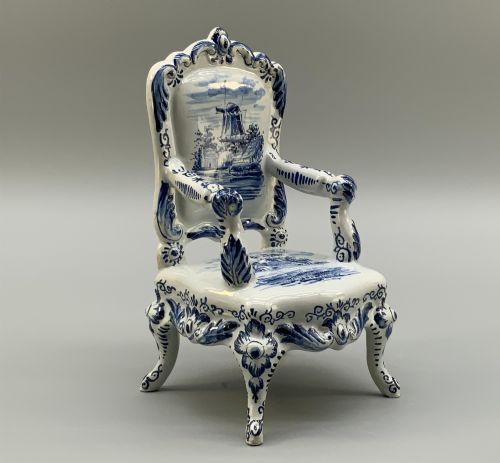
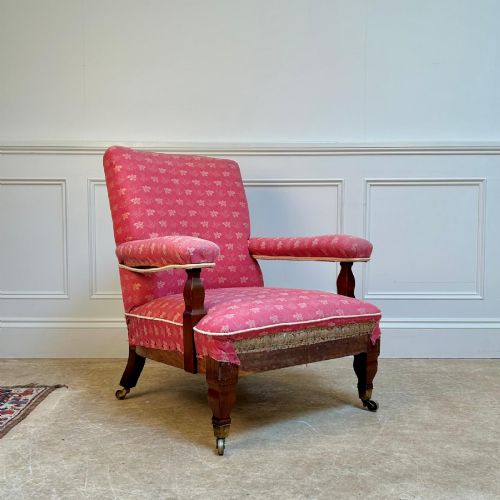
- An open-framed upholstered armchair originating in France, characterised by exposed wooden arm supports and carved rails. They frequently appear in mahogany or giltwood following specific historical revival styles.
Late 19th Century Armchair: Frequently Asked Questions
How do I identify a Howard style armchair?
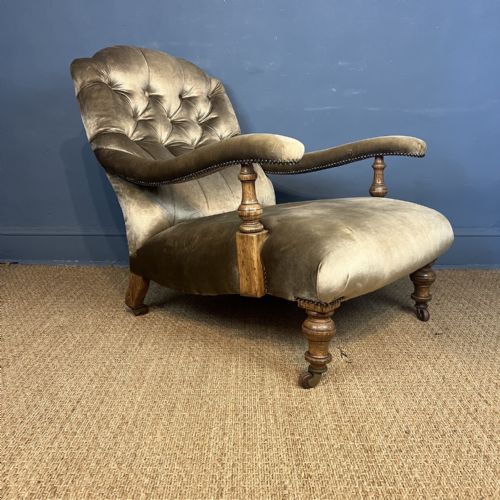
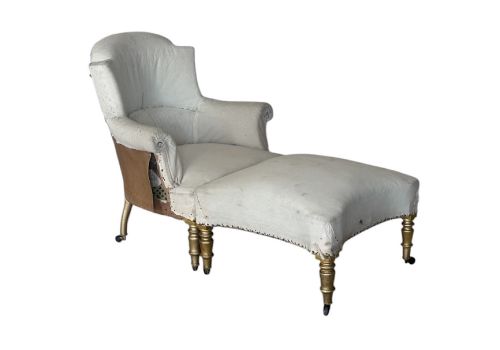
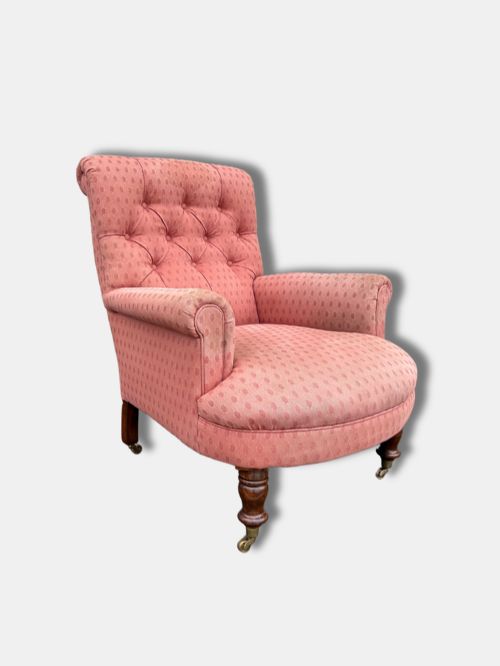
Howard style armchairs are typically recognised by their low proportions, deep sprung seats, and scrolled upholstered arms. They often feature castors stamped with maker details and generous feather-filled cushions.
These pieces prioritise relaxed comfort over stiff formality, making them enduringly popular for contemporary drawing rooms and studies.
What is the difference between an armchair and a carver?
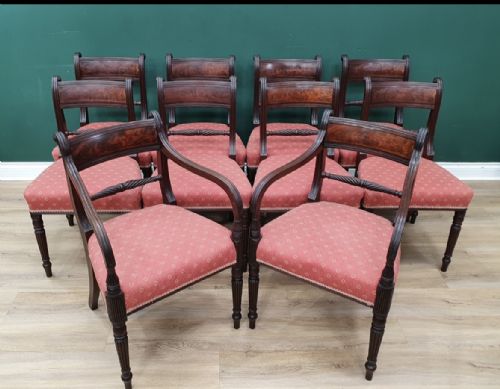
A carver generally refers to an armchair designed to match a set of dining chairs, featuring open arms to allow clearance under a dining table. Standard armchairs are built for general lounging or specific tasks like reading and desk work.
Dining carvers have lighter frames and higher seats compared to deep-seated library or fireside armchairs.
Are these chairs suitable for daily use?
Most sturdy wood-framed and solidly upholstered examples handle regular daily seating well, provided the internal webbing and springs remain secure. Leather and heavy fabric finishes offer practical durability for modern living spaces.
Delicate giltwood or decorative needlework models are better suited to lighter use or display settings to preserve fragile surfaces.
How can I tell which period an armchair belongs to?
Dating relies on combining stylistic revival cues, such as Chippendale or Empire motifs, with construction evidence like timber choice and fixing methods. Victorian and Edwardian examples often blend historic forms with industrial upholstery innovations.
Examining secondary woods, joinery, and any maker stamps helps narrow down the exact decade of manufacture.