

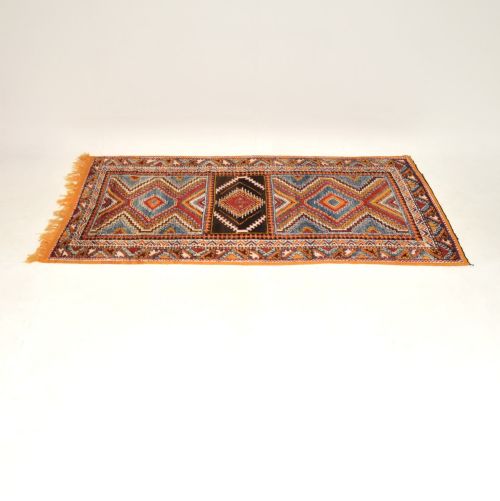
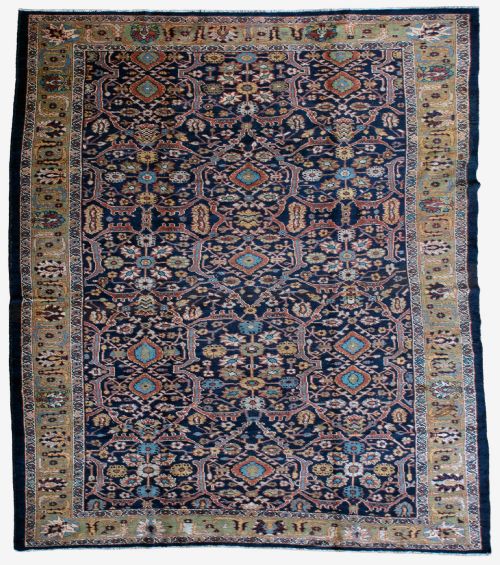
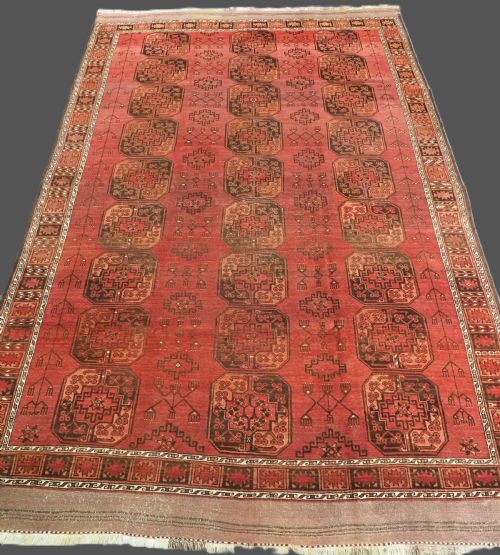
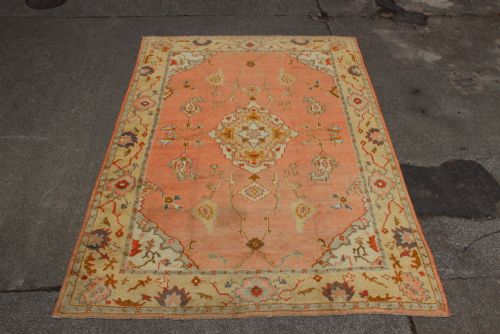
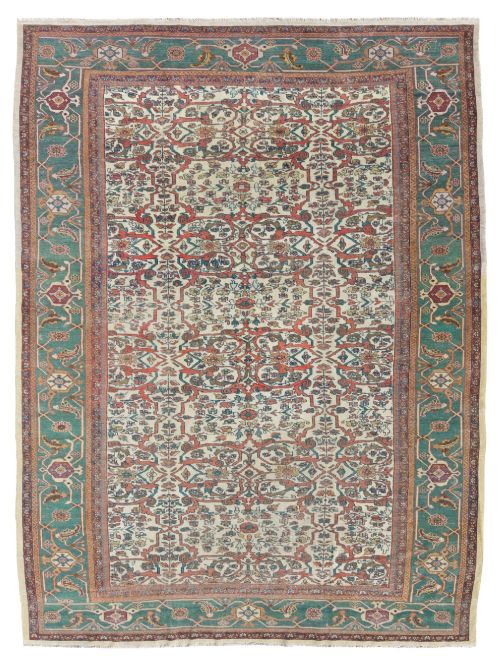
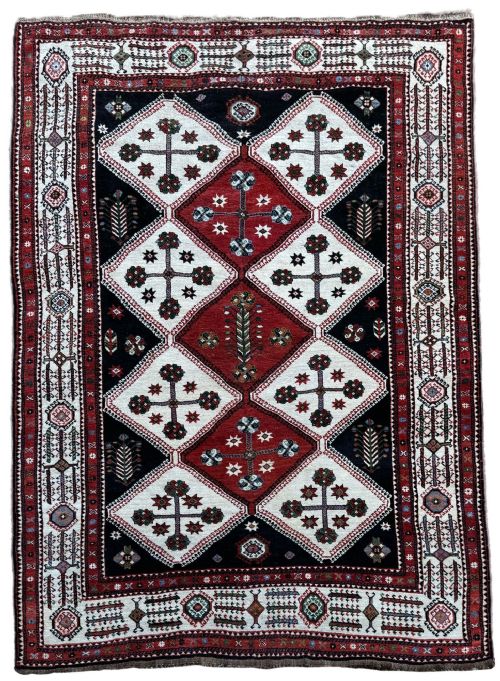
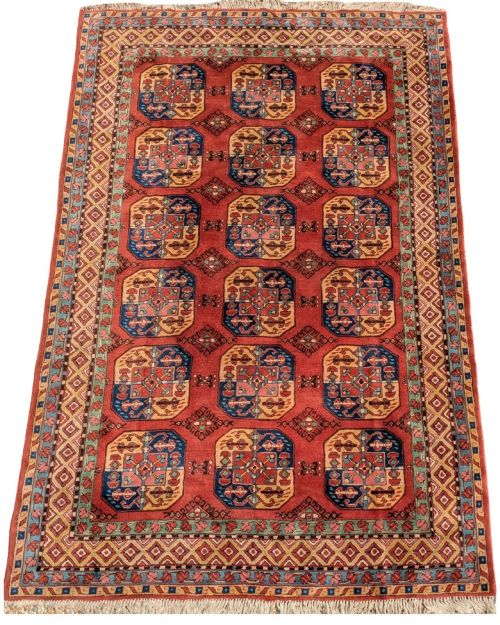
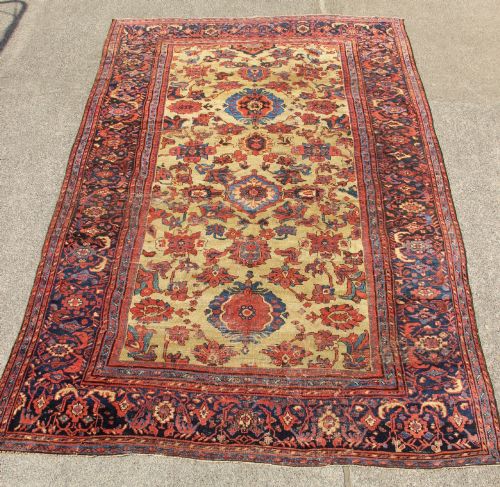

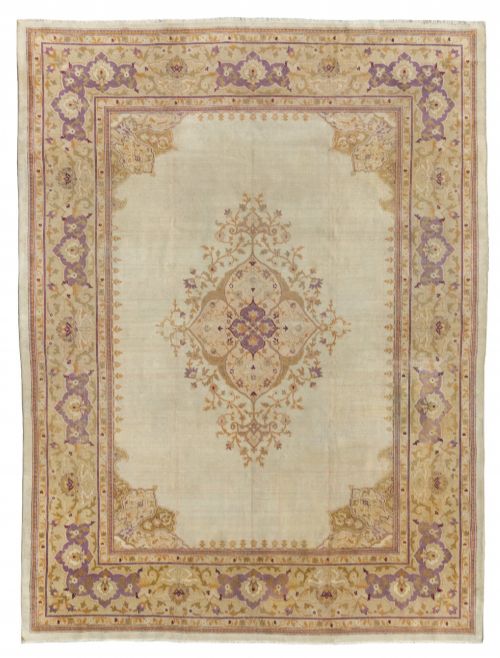

Large Woven Rug
A large woven rug anchors a room with historic textile artistry, offering grounding colour and intricate pattern formed by skilled hands.
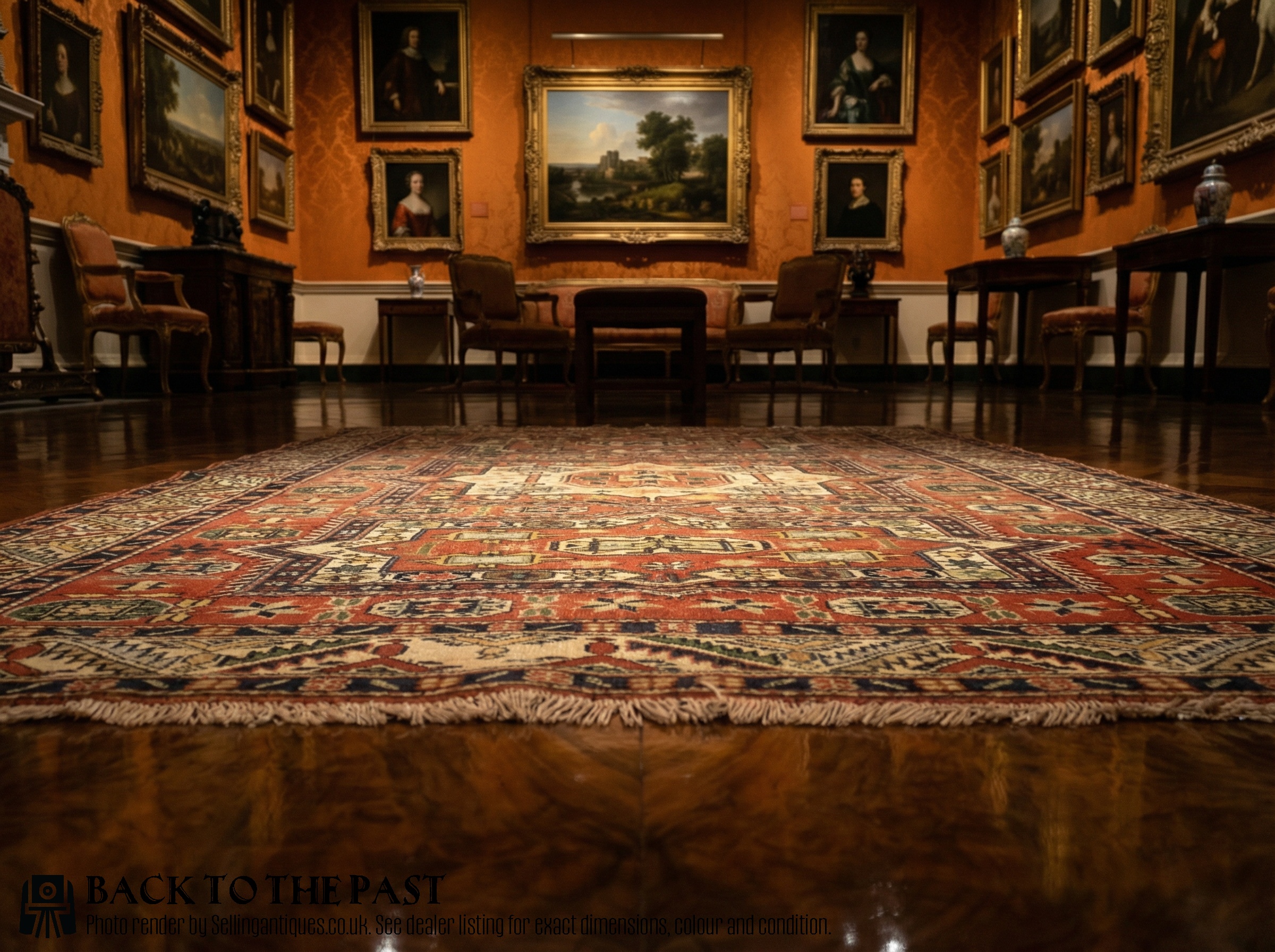
Large Woven Rug
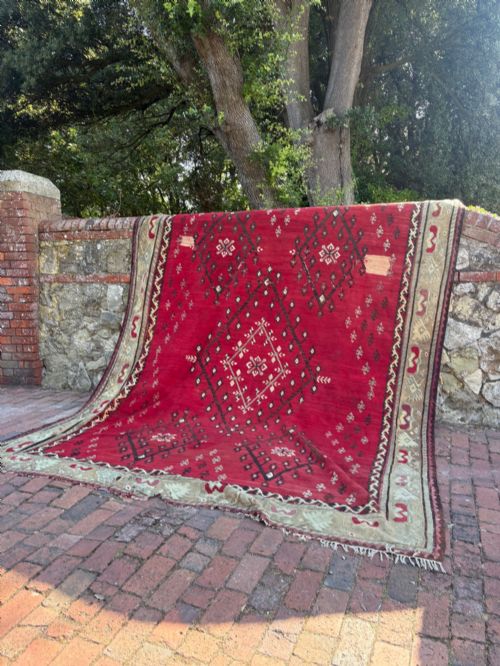
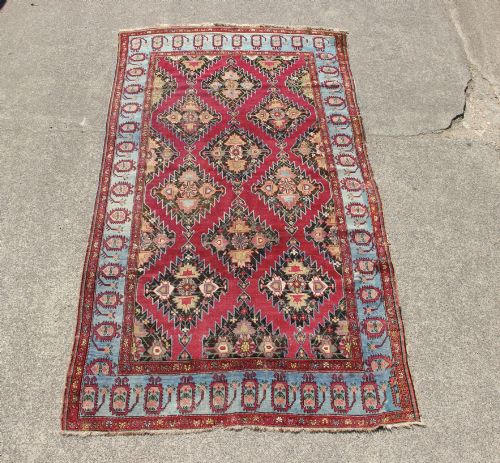
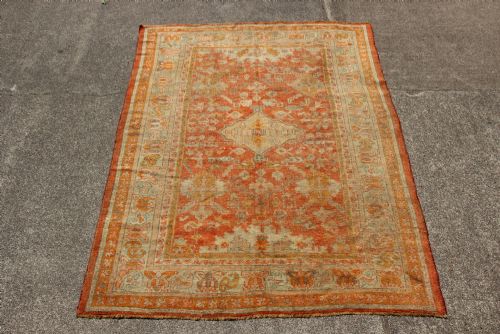
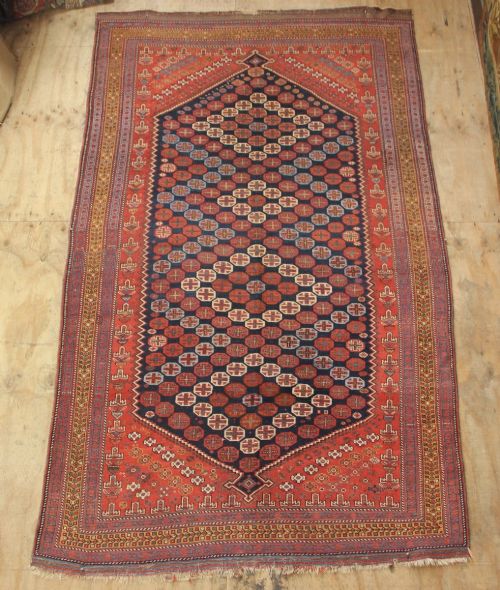
A large woven rug encompasses expansive room-size carpets and hallway runners originating from Persian, Turkmen, Anatolian, and European workshops. When searching for a large woven rug, buyers typically encounter pieces spanning the nineteenth century through the early twentieth century.
Materials and construction
Construction relies primarily on wool and cotton foundations combined with hand-spun wool pile or flatweave techniques. Natural dyes impart the rich colour palettes visible across the periods.
Weavers knot or weave these materials by hand, utilising traditional looms and time-honoured methods that produce dense, durable floor coverings designed to endure generations of use.
Nomadic weavers often worked outdoors on portable horizontal looms, occasionally weaving stray desert grass into the wool.
Judging the standard
Quality rests upon the fineness of the knotting or weave density, which dictates the sharpness and complexity of the pattern. Tighter structures yield greater durability and clearer geometric or floral motifs.
The depth and brilliance of natural dyes also set examples apart, alongside the integrity of the wool itself. Superior pieces exhibit harmonious colour interaction and balanced composition across the entire surface.
The Large Woven Rug Glossary
- Pile
- The cut or uncut loop surface of a carpet that forms the soft upper layer. This yarn layer absorbs wear and displays the primary design.
- Flatweave
- A textile produced without a raised pile by interweaving warp and weft threads directly. Examples include kilims which lie completely flat on the floor.
- Warp
- The vertical threads stretched lengthwise on a loom before weaving commences. These foundational strings support the entire structure of the piece.
- Weft
- The horizontal threads passed alternately over and under the warp threads. This yarn binds the knots or weave together securely.
Large Woven Rug: Frequently Asked Questions
How do I clean a large woven rug?
Regular gentle vacuuming without a beater bar removes surface dust and loose debris safely. Professional specialist cleaning remains necessary for deeper maintenance to protect natural dyes and wool.
Avoid excessive moisture and harsh chemical detergents. Prompt blotting handles accidental spills without damaging the historic fibres.
Where should I place a large woven rug?
These generous floor coverings suit principal living areas, dining rooms, and spacious hallways where their scale creates a focal point. Placing furniture partially on the rug anchors the seating arrangement effectively.
Ensure adequate underlay placement beneath the textile to prevent sliding on hard floors and to reduce friction between the fibres and the ground.
How can I date an antique rug?
Dating relies on stylistic analysis of the design motifs, palette composition, and structural characteristics. Certain regional patterns and weave densities correspond to specific decades within the nineteenth and twentieth centuries.
Examination of the materials, such as hand-spun wool and early synthetic or natural dye tests, helps narrow the production era alongside any recorded provenance.
Are these rugs durable enough for daily use?
Traditional construction using dense wool pile and sturdy cotton foundations creates resilient floor coverings built for high-traffic environments. Historic textiles nonetheless benefit from sensible placement away from continuous harsh sunlight.
Rotating the rug periodically ensures even wear patterns across the surface over years of domestic enjoyment.