

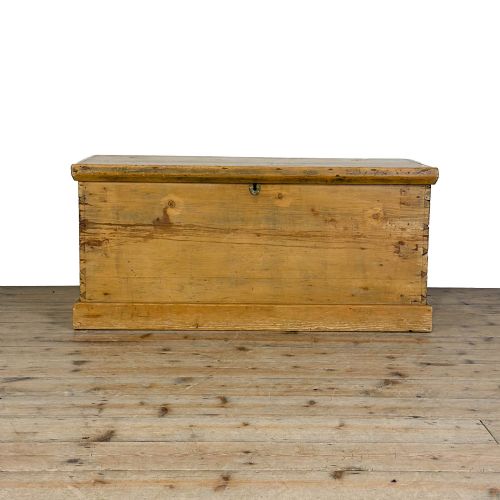
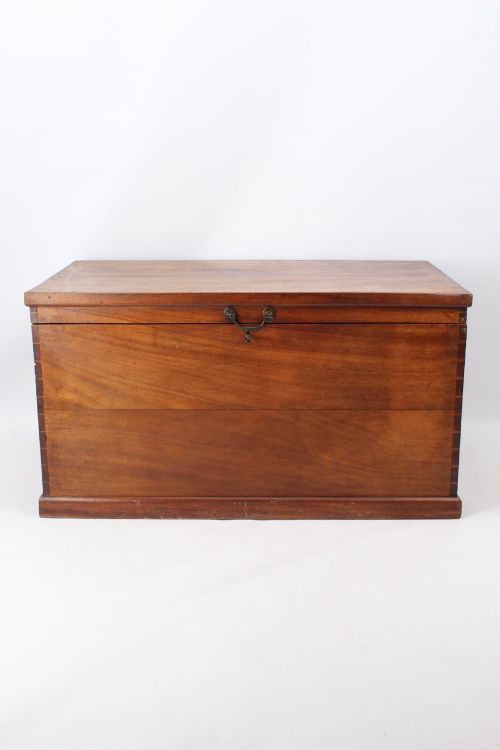
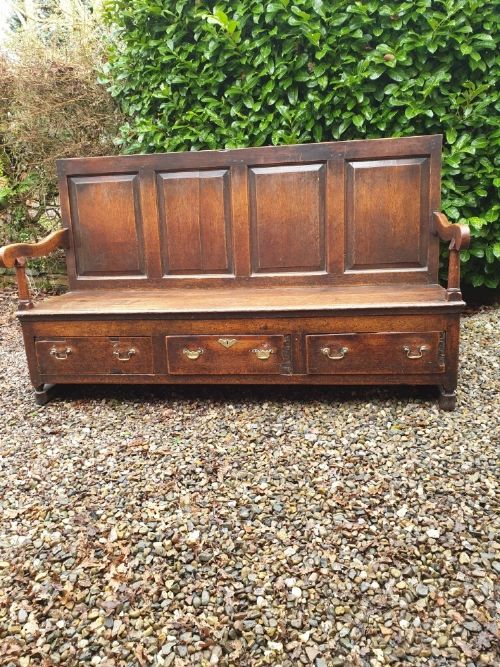
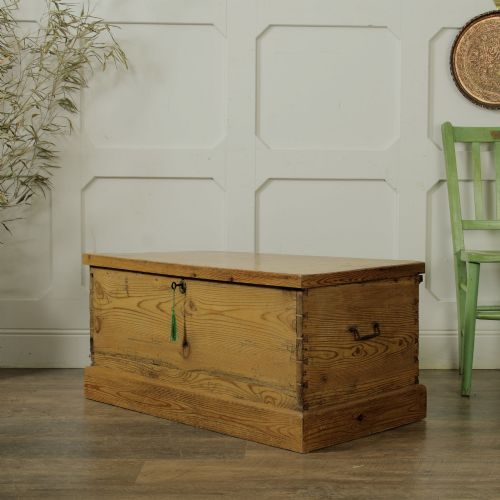
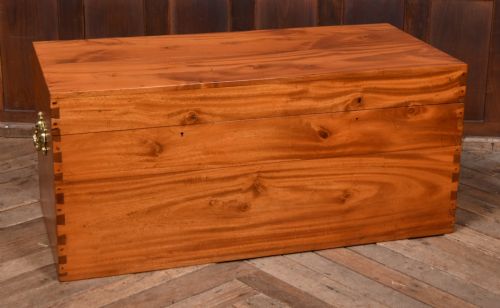
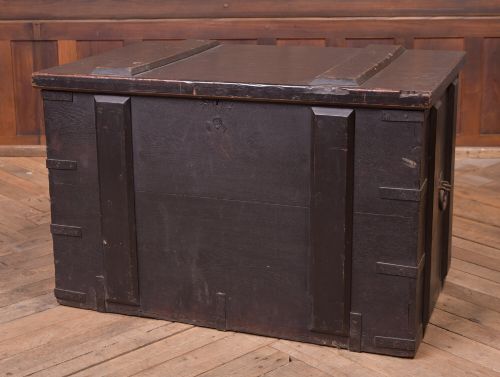
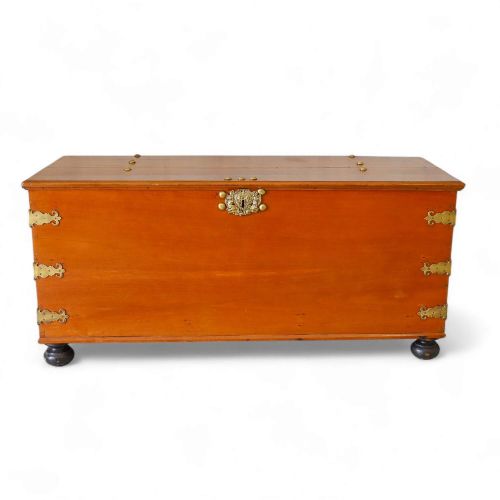
Large Wooden Coffer
A large wooden coffer is a heavy, capacious storage box built to hold household valuables, and you want one for its profound historical presence and practical utility.
Large Wooden Coffer
When you search for a large wooden coffer, you are looking at substantial storage furniture designed centuries ago to safeguard linen, documents, and domestic goods. The pieces you meet most often on this page date from the seventeenth, eighteenth, and nineteenth centuries, spanning eras from the Georgian period through the Victorian age.
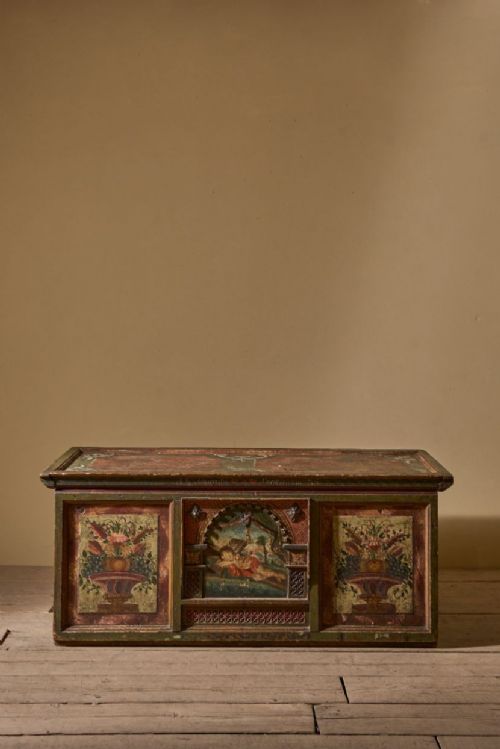
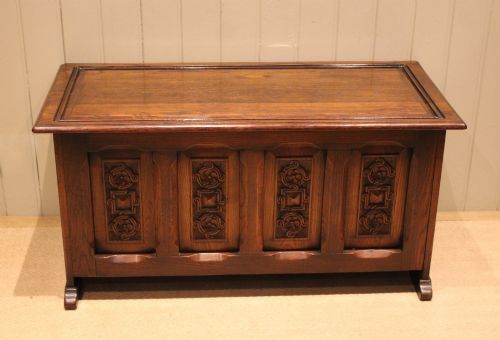
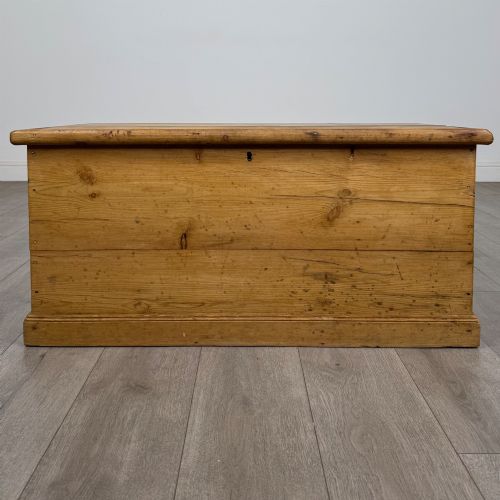
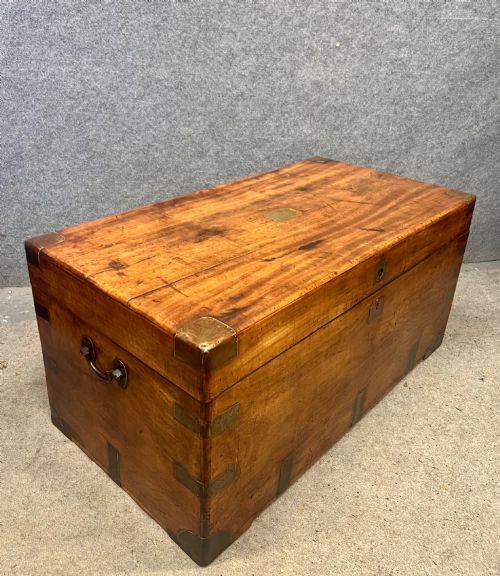
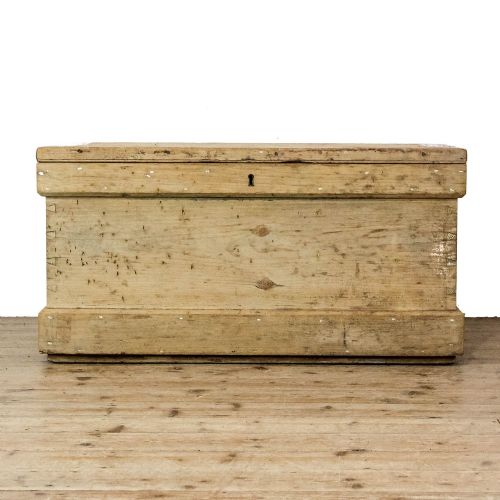
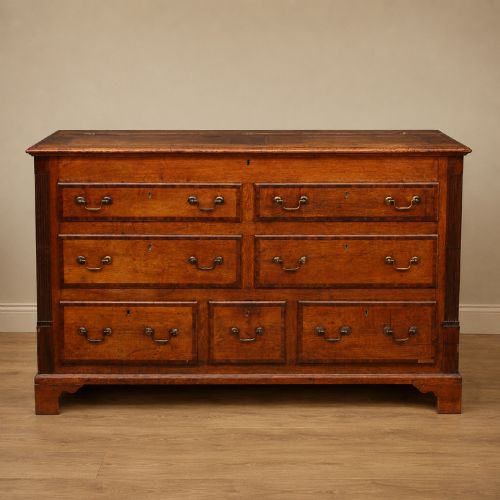
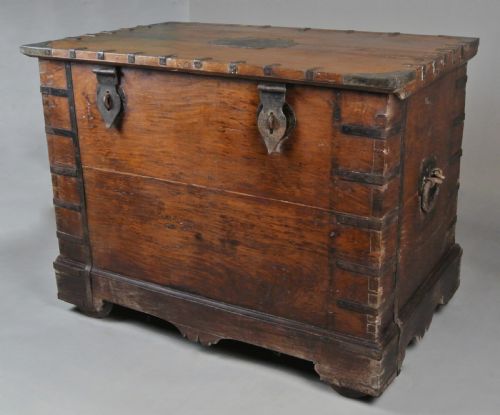
Forms range widely across regional traditions and domestic uses, appearing as heavy oak coffers, pine blanket boxes, mule chests fitted with lower drawers, and camphor wood trunks brought from distant colonies. Many exhibit utilitarian grit, such as iron banding and brass mounts, while others display carved panels or surviving painted finishes from European workshops.
Origins stretch from British country houses and Welsh farmsteads to Dutch colonies, Hungary, and India. Each piece reflects the material availability and craft traditions of its specific geographic root, whether constructed from native British oak and pine or exotic teak and camphor wood.
How they were made
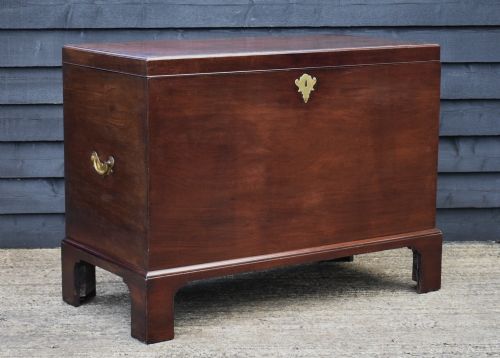
Carpenters and joiners built these pieces primarily from solid timbers like oak, pine, teak, and mahogany, selecting materials for structural strength and local availability. Heavy planks were joined using traditional framing techniques, dovetailed corners, or pegged joints to withstand heavy domestic use over generations.
Metal hardware played a crucial role in construction and reinforcement, utilising wrought iron straps, brass binding, and stout locks to secure the heavy lids. Surfaces received varied treatments, ranging from natural wax finishes and applied polish to decorative paint and intricate carved details.
Some nineteenth-century camphor wood chests still retain a faint, unmistakable scent of spice from distant maritime trade routes.
What varies in quality
Quality in a large wooden coffer rests in the integrity of its timber selection and the ambition of its construction. Pieces fashioned from dense, figured oak or exotic imported teak with hand-forged iron mounts demonstrate a higher tier of workmanship than standard utility boxes.
The sophistication of the joinery and ornamental detail separates standard storage boxes from exceptional examples. Finely carved panels, crossbanded mahogany veneers, internal drawer arrangements, and untouched original painted surfaces elevate a piece far above simple utilitarian containers.
The Large Wooden Coffer Glossary
- Coffer
- A large wooden chest traditionally used for storing valuables, textiles, or documents. These sturdy boxes often featured heavy lids and robust locking mechanisms.
- Mule chest
- A storage chest featuring one or more drawers built beneath the main compartment. This form bridges the evolution between the traditional coffer and the modern chest of drawers.
- Campaign chest
- Portable furniture made in sections with recessed brass fittings, designed for easy transport by military officers on active service.
- Crossbanding
- A decorative technique where thin strips of veneer are laid across the grain of the primary wood, frequently seen on Georgian furniture edges.
- Camphor wood
- An aromatic timber prized for its insect-repellent properties, commonly utilised for maritime chests and trunks originating from Asian trade routes.
Large Wooden Coffer: Frequently Asked Questions
What did people store in a large wooden coffer?
Historically, households relied on these deep chests to secure valuable woollen blankets, household linen, legal documents, and personal wealth. Their robust construction and heavy lids kept contents safe from dampness, dust, and theft in eras before fitted wardrobes existed.
Over time, specific variants like mule chests and dowry trunks accommodated shifting domestic needs, allowing families to store bulky garments and accumulated possessions in a single central place.
How do I distinguish oak coffers from pine blanket boxes?
Oak coffers typically date from earlier centuries, such as the seventeenth and eighteenth eras, displaying dense grain, dark patination, and heavy pegged joinery. They were statement pieces for principal rooms and halls.
Pine blanket boxes usually emerge from the Victorian period or rural workshops, offering a lighter weight and softer timber texture. They were frequently painted, waxed, or utilised as utilitarian storage in bedrooms and farmhouses.
Can I use a camphor wood chest in a modern bedroom?
Camphor wood trunks function exceptionally well in contemporary bedrooms as blanket boxes or end-of-bed storage. The natural aromatic qualities of the timber help protect stored textiles and woollens from moths.
Their rich grain and brass bindings also provide a striking textural contrast against modern interiors, serving double duty as functional furniture and display surfaces.
How do I care for the wood on an antique chest?
Preserving the surface requires maintaining a stable indoor environment away from direct heat sources and dramatic humidity shifts. Regular dusting with a soft, dry cloth prevents particulate accumulation.
Applying a traditional beeswax periodically nourishes dry timber and enhances the historic patina without sealing the wood pores or altering the finish.