

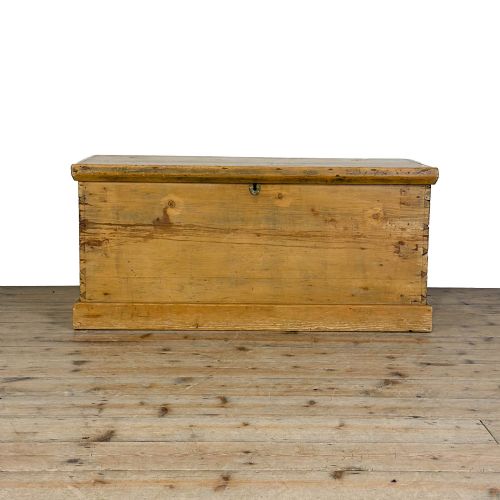
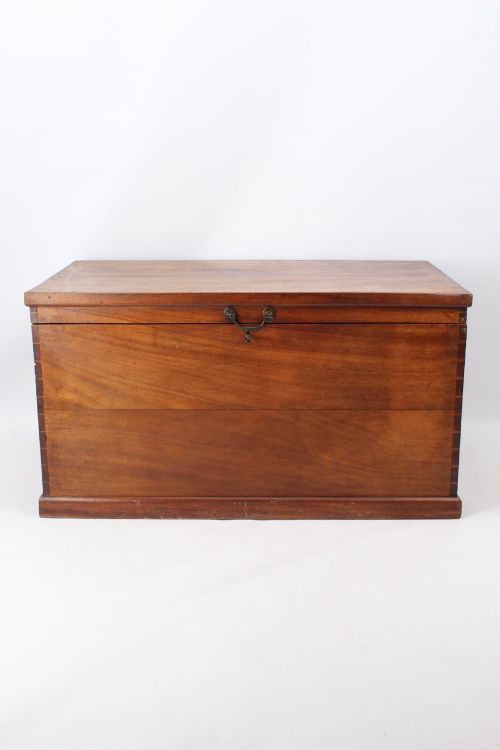
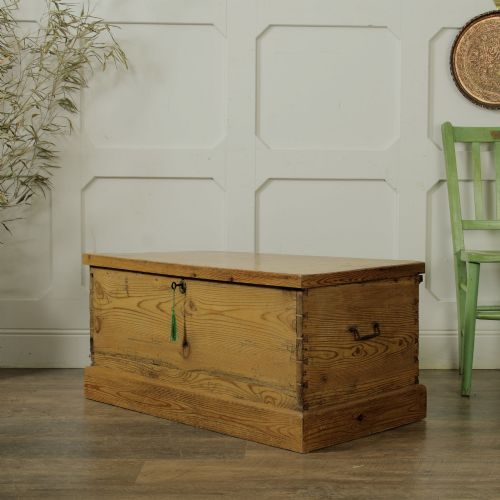
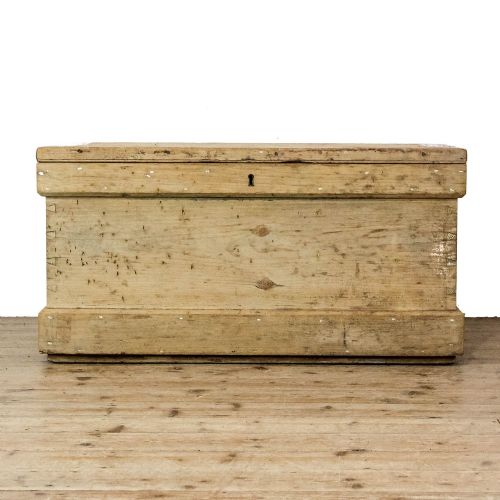
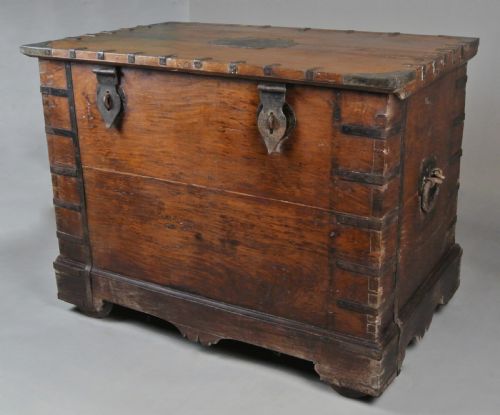
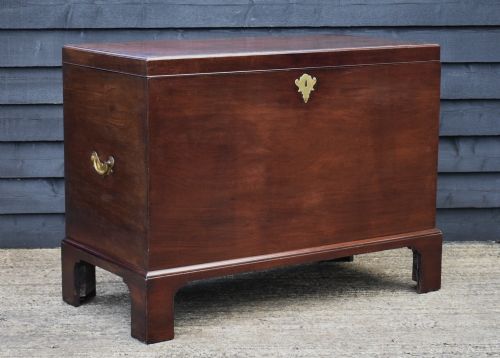
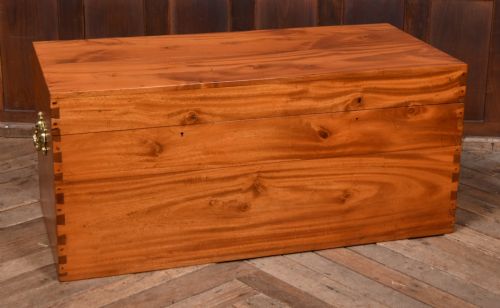
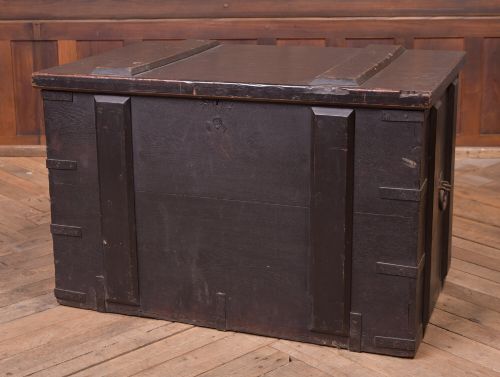
Large Wooden Coffer Trunk
A large wooden coffer trunk provides substantial storage with historical presence, holding linens, blankets or travel possessions.
Large Wooden Coffer Trunk
When you search for a large wooden coffer trunk, you encounter heavy storage chests spanning several centuries, from early oak pieces to later colonial and campaign boxes. These items served practical domestic and travel needs, functioning as blanket boxes, mule chests, and marriage trunks across various regions.
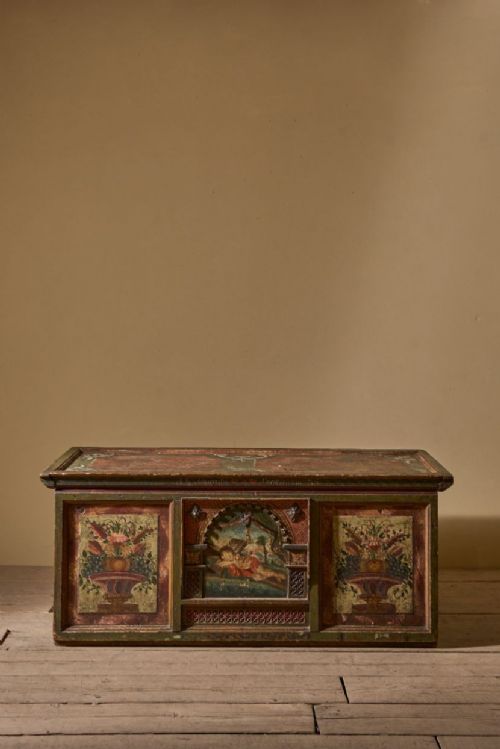
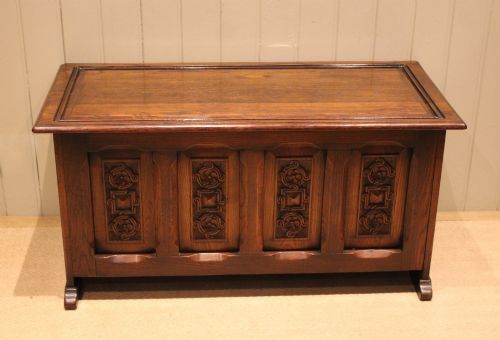
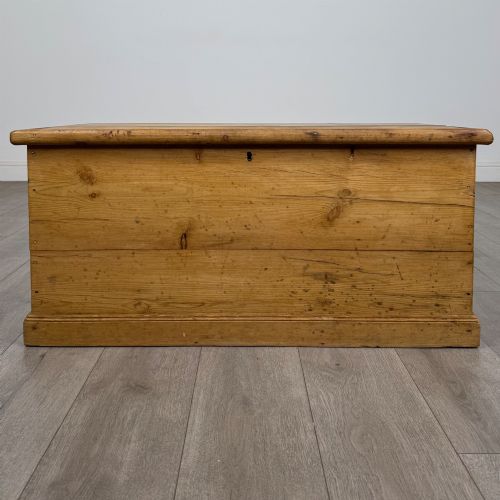
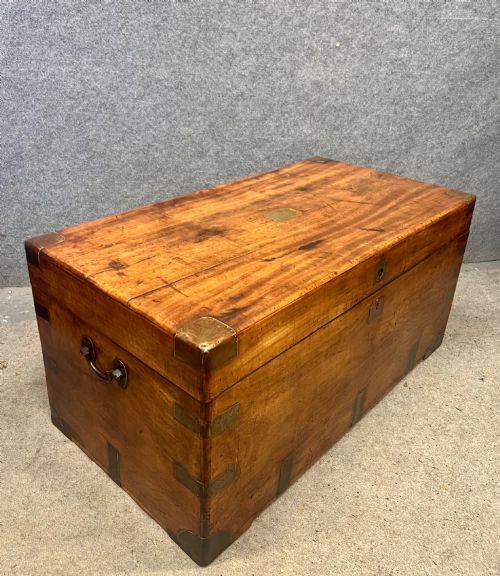
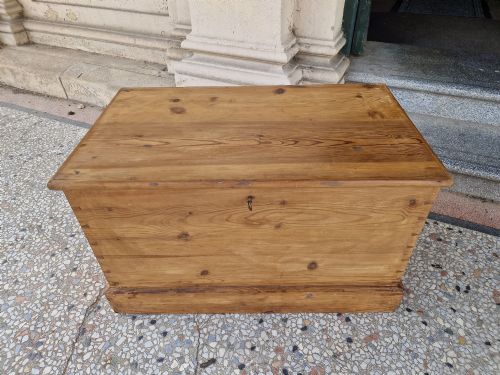
Pine and oak predominate among the domestic examples, whilst teak, camphor wood, and walnut appear in colonial and campaign pieces. The selection on this page ranges from rustic country pine boxes to intricately carved seventeenth-century oak coffers and nineteenth-century brass-bound chests.
Materials and construction methods
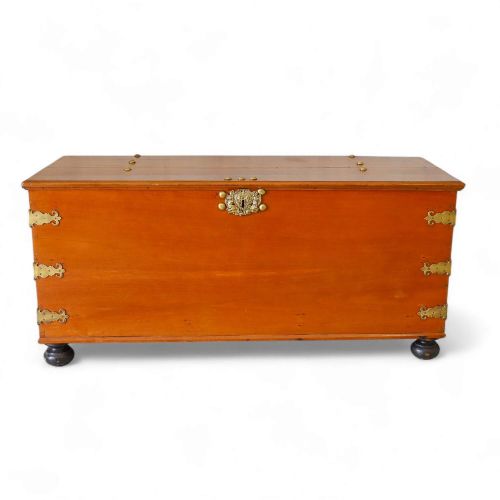
Carpenters constructed these large wooden coffer trunks using solid timbers such as oak, pine, teak, and camphor wood, frequently joining panels with traditional framing methods. Blacksmiths and metalworkers provided essential reinforcement through iron straps, brass binding, and durable hinges.
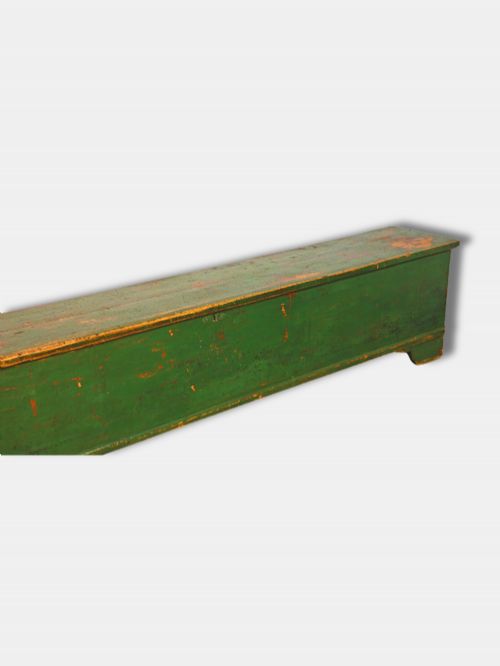
Surface treatments varied from natural wax and polished finishes to decorative paint, such as the green and teal hues found on Hungarian and European boxes. Internal arrangements often included compartments or smaller drawers for specialised storage.
The listings feature seventeenth-century carved oak coffers alongside nineteenth-century pine blanket boxes and colonial camphor wood chests.
Factors of quality and distinction
The degree of craftsmanship in the timber framing and carving separates utilitarian storage from exceptional furniture, particularly visible in seventeenth-century oak coffers and eighteenth-century military pieces. Original surface treatments and intact historical hardware, such as brass binding or heavy iron mounts, significantly elevate a piece.
Structural integrity and the survival of internal components, including till boxes and secondary drawers, distinguish well-preserved examples from heavily altered ones. The choice of exotic woods like camphor and teak or dense English oak also dictates the physical weight and enduring strength of the trunk.
The Large Wooden Coffer Trunk Glossary
- Coffer
- A heavy wooden chest traditionally used for storing valuables, documents, or garments. These sturdy boxes often feature hinged lids and robust construction.
- Mule chest
- A storage chest that combines the lift-up lid of a coffer with one or more drawers built into the base. This form emerged to provide more accessible storage for clothing and linens.
- Campaign chest
- A portable trunk designed for military officers on the move, frequently split into sections with recessed brass handles. They utilise durable timbers such as teak and mahogany to withstand travel.
- Camphor wood
- An aromatic hardwood utilised extensively in colonial trunks and chests. Its natural scent helped protect stored textiles from insects.
- Dowry chest
- A large box prepared for a bride, containing household goods, linens, and personal valuables. These pieces often feature painted decoration, carvings, or specific regional motifs.
Large Wooden Coffer Trunk: Frequently Asked Questions
What is a large wooden coffer trunk?
A large wooden coffer trunk is a deep, lidded storage box fashioned from timbers like oak, pine, or teak, designed to hold household goods.
Historically utilised for transporting possessions or storing domestic textiles, these pieces combine heavy-duty construction with decorative presence.
How were these trunks used in the past?
Families utilised these large chests primarily for storing heavy woolen blankets, winter garments, household linens, and valuable personal property.
Travellers and military officers also employed specialised versions, such as campaign chests and brass-bound trunks, to move belongings across long distances.
How do I style a coffer in a modern home?
These large wooden trunks function effectively as coffee tables in living spaces while simultaneously concealing extra cushions and throws.
In bedrooms or hallways, they serve as blanket boxes at the foot of a bed or provide practical surface space and seating.
How can I tell the age of a wooden chest?
Dating relies upon examining construction methods, such as hand-cut dovetails, tool marks, ironwork style, and the type of timber used.
Earlier pieces from the seventeenth and eighteenth centuries typically show pegged oak framing, whilst nineteenth-century examples often feature pine or exotic colonial woods.