





Large Wood Coffee Table
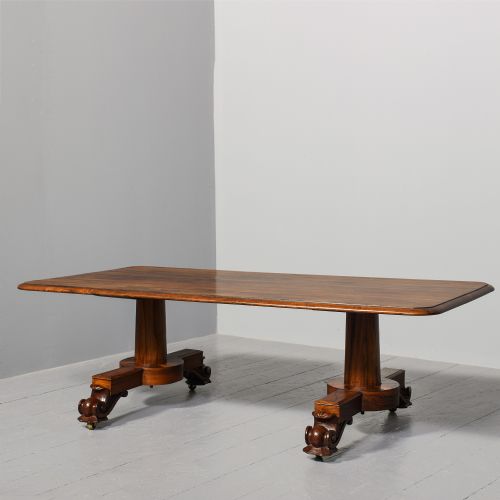
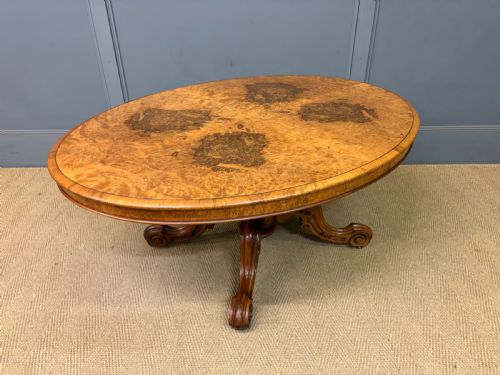
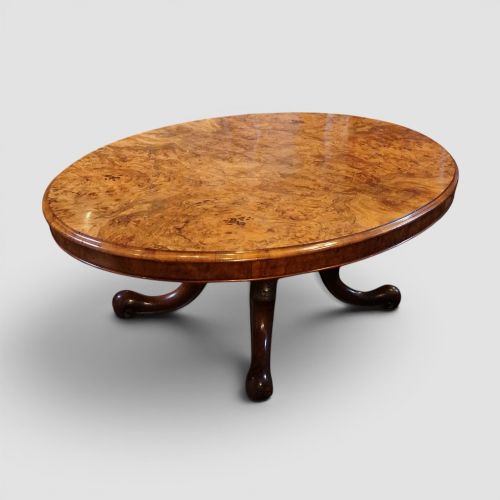
A large wood coffee table anchors a room with timber grain and history, drawing together diverse periods from rustic elm boards to polished Victorian burr walnut.
Large Wood Coffee Table
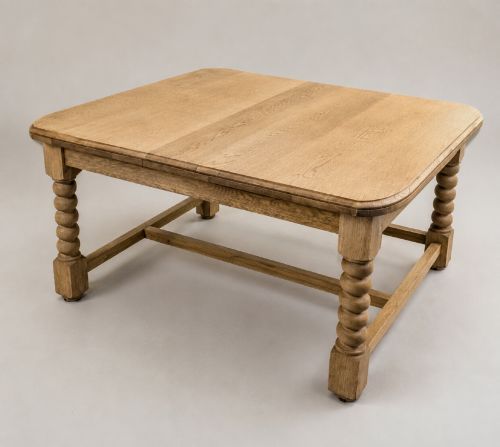
When you search for a large wood coffee table, you are looking at substantial pieces of furniture built from hardwoods like oak, walnut, cherry, teak, and rosewood. These items often originate as converted trunks, chests, benches, and drums rather than tables made in the nineteenth or early twentieth centuries for domestic sitting rooms.
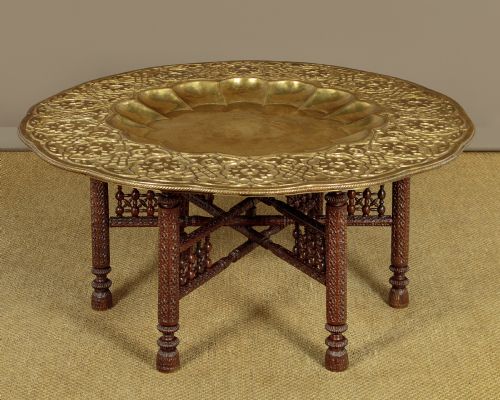
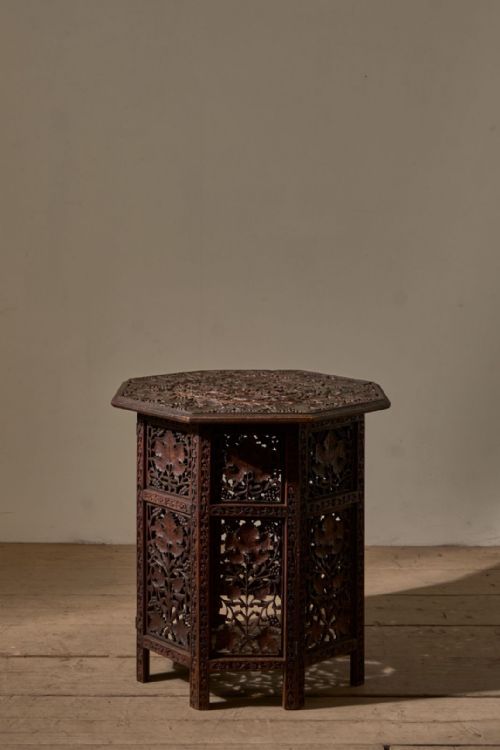
You are most likely to meet repurposed campaign chests, low rustic boards, and low-slung Anglo-Indian or Moroccan tables on this page. Many examples span the eighteenth, nineteenth, and early twentieth centuries, reflecting diverse global workshops and utilitarian forms adapted for modern living.
The selection ranges from campaign trunks bound in brass to carved hardwood tables from India and China, alongside plain English farmhouse tables and French fruitwood boards. Each piece offers generous proportions suited to centre placement in spacious interiors.
How they were made
Cabinet makers utilised dense hardwoods such as mahogany, padauk, and satinwood, often selecting burr or figured walnut for decorative surfaces. These timbers were joined using traditional methods suited to heavy daily use, from dovetail joints on trunks to sturdy trestle supports and turned legs.
Metal components such as brass bindings, campaign corners, and inlay work provided structural reinforcement and ornamentation on travel chests and tray tables. Hand carving appears frequently on regional pieces, featuring detailed floral and animal motifs executed in teak, elm, and camphor wood.
Listings feature woods such as oak, walnut, teak, brass, iron, and camphor wood across the nineteenth and early twentieth centuries.
What varies in quality
Quality rests upon the integrity of the timber and the depth of the grain, particularly in figured walnut, rosewood, and cherry wood surfaces. Superior pieces display thoughtful construction where conversions from trunks or drums maintain proper proportions and structural balance.
The sophistication of the hand carving, metalwork, and joinery separates standard utility items from exceptional workshop examples. Original patination and minimal structural intervention preserve the historic character that distinguishes finer period pieces.
Bamileke workshop·Benares brass artisans·Chinese provincial workshops·Kashmiri woodcarvers
The Large Wood Coffee Table Glossary
- Campaign trunk
- A portable chest built with brass corners and recessed handles for military travel. These sturdy boxes frequently convert into low tables.
- Burr walnut
- A prized wood veneer showing knotted, swirling grain patterns formed at the tree root. Cabinet makers utilise this timber on top surfaces for decorative impact.
- Padauk
- A dense, heavy tropical hardwood showing deep reddish-brown tones. Craftsmen select this durable material for regional Asian tables and chests.
- Anglo-Indian style
- Furniture produced in India during British rule, combining local carving traditions with European forms. These pieces often feature intricate floral motifs.
- Trestle table
- A board supported by two or more upright frames connected by a horizontal beam. This ancient form provides robust stability for large timber surfaces.
Large Wood Coffee Table: Frequently Asked Questions
What periods do these tables come from?
The listings span the eighteenth, nineteenth, and early twentieth centuries, including Victorian and Art Deco eras. Many items reflect the height of global trade and domestic craftsmanship.
Dates are determined by construction methods, materials, and stylistic markers recorded in the historical evidence.
How were these tables used originally?
Many large wooden tables and chests served alternative purposes before becoming coffee tables. Examples include military campaign trunks, Indian palanquins, temple drums, and farmhouse tables.
Conversion usually involves lowering the height or mounting traditional trays and chests onto stable wooden stands.
What woods should I look for?
Common timbers include English oak, elm, cherry wood, and walnut, alongside exotic hardwoods like padauk, teak, rosewood, and camphor wood. Each wood brings distinct grain patterns and colour variations to the room.
Figured and burr walnut offer high decorative appeal, while camphor wood provides a distinct aromatic quality.
How do I live with a converted trunk?
Converted trunks and chests offer internal storage combined with a large surface area for daily use. Their sturdy brass bindings and solid hardwood construction suit busy living spaces.
Care involves maintaining consistent room humidity to protect the historic timber and metal fittings from extreme environmental shifts.