




Solid Oak Center Table
A solid oak centre table anchors a room with genuine grain and weight, offering a sturdy surface built for daily life.
Solid Oak Center Table
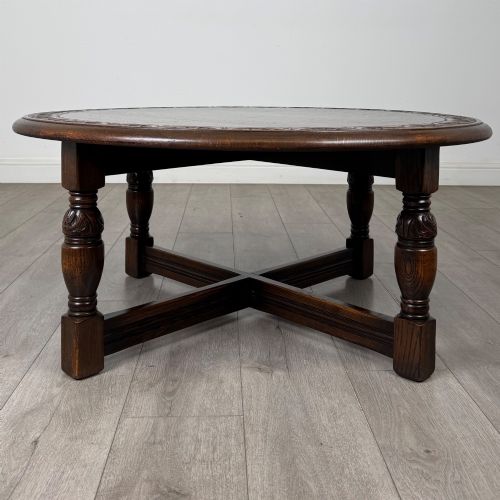
A solid oak centre table brings together centuries of utilitarian design, spanning from seventeenth-century tavern pieces to nineteenth-century vernacular forms. When searching for a solid oak centre table, buyers encounter formats ranging from low coffee tables and side tables to large circular dining pieces.
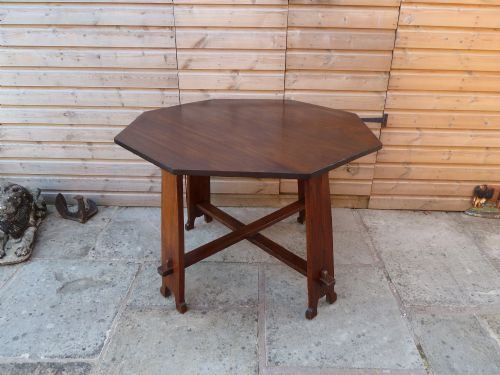
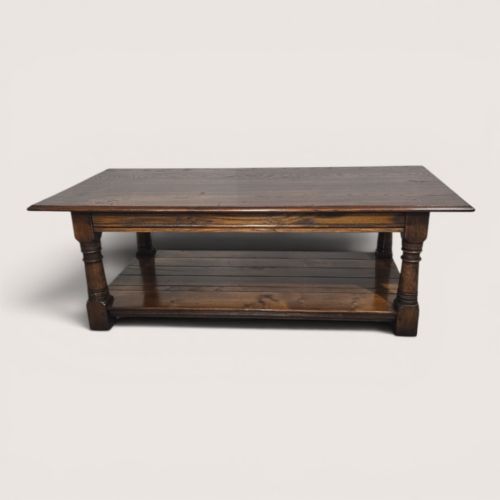
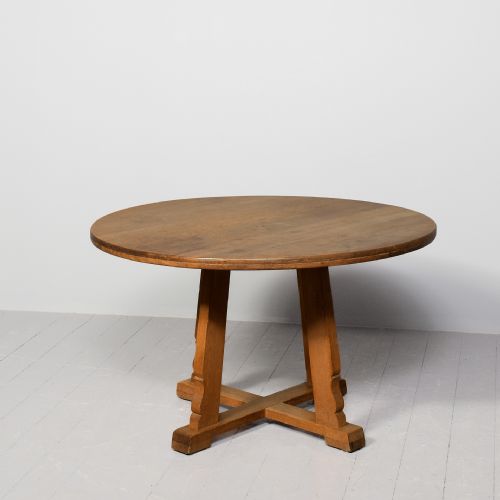
The inventory on this page draws heavily from Victorian, Arts and Crafts, and seventeenth-century traditions, alongside French provincial and Dutch styles. Buyers are most likely to meet circular formats on turned legs or substantial planked tops suited to central placement in a room.
Origins vary between English workshops, French provincial makers, and Dutch ateliers, each bringing distinct proportions and leg configurations to the form. These tables serve practical functions as central gathering points while displaying the robust timber characteristic of their period.
What varies in quality
Quality in a solid oak centre table rests on the depth of the timber, the mellowness of the surface colour, and the integrity of the original construction. Superior examples display honest patination and balanced proportions that reflect the intentions of the period rather than later alterations.
The sophistication of the turning on the legs and the choice of heartwood for the top separate standard vernacular items from finer artistic commissions, such as those inspired by specific architectural styles or named designers.
Listings feature solid oak and iron alongside sycamore and brass, representing centuries of woodworking tradition from England, France, and the Netherlands.
The Solid Oak Center Table Glossary
- Medullary rays
- Flakes or ribbon-like figures visible in quarter-sawn oak that indicate the natural growth rings of the timber. They are a hallmark of quality conversion in older furniture.
- Turned legs
- Structural supports shaped on a lathe to create cylindrical, bulbous, or spiralled profiles. This method of decoration appears frequently on seventeenth-century and Victorian tables.
- Jacobean style
- An English design aesthetic from the seventeenth century characterised by heavy proportions, dark oak, and geometric panel or leg ornamentation. Pieces in this style emphasise structural strength.
- French provincial
- Furniture made in the regions outside Paris, prioritising utility, local timbers, and straightforward regional carpentry traditions over courtly ornamentation.
- Patina
- The surface sheen and softening of colour developed by timber through decades of handling, exposure to light, and polishing. A desirable patina shows genuine age rather than artificial distress.
Solid Oak Center Table: Frequently Asked Questions
Where should I place a centre table?
A solid oak centre table sits best in the middle of a room, an entrance hall, or a spacious drawing room where it can be approached from all sides. It functions effectively as a central display surface or a gathering point for books and objects.
Ensure there is adequate clearance around the perimeter of the table for movement. Their substantial weight and solid timber construction demand a room with enough floor space to let the proportions breathe.
How do I care for solid oak?
Maintain solid oak tables by dusting with a dry cloth and avoiding excessive moisture or direct heat sources that can dry out the timber. Natural wax applied occasionally helps preserve the mellowness of the surface.
Keep the timber away from direct sunlight to prevent uneven fading of the wood. Using felt pads under objects placed on the surface protects the antique finish from scratches.
How can I tell the period?
Dating relies on observing construction techniques, tool marks, leg turning styles, and the overall form of the timber framework. Seventeenth-century pieces typically feature heavy framing and pegged joinery, while Victorian examples often show distinct revival details.
Compare the timber density and the nature of the wear to known regional styles. Secondary woods and fixings also provide clues regarding the workshop origin and century of manufacture.
Can these tables be used daily?
These tables were built from durable hardwoods specifically to withstand daily domestic use in taverns, dining rooms, and kitchens. Their robust construction makes them well-suited for modern living.
Using coasters and placemats protects the historical surface from heat and liquid rings while allowing the table to remain a functional part of the household.