


Large Walnut Writing Desk
A large walnut writing desk brings substantial timber and period presence into a room, offering a deep surface designed for serious correspondence.
Large Walnut Writing Desk
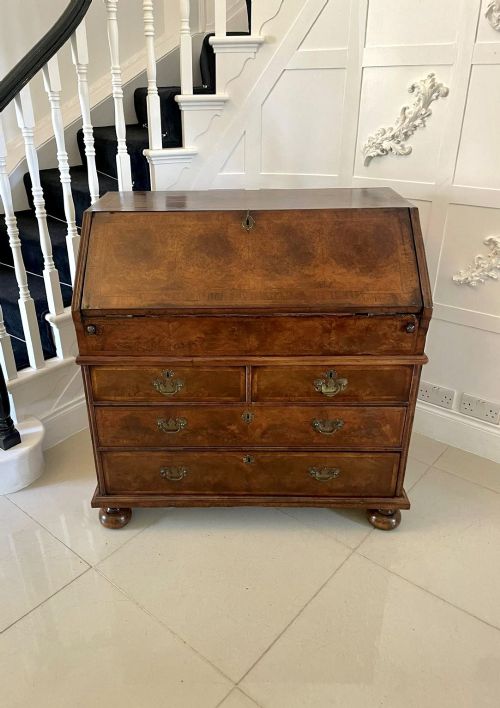
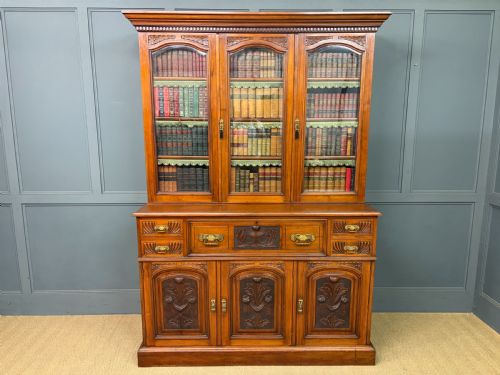
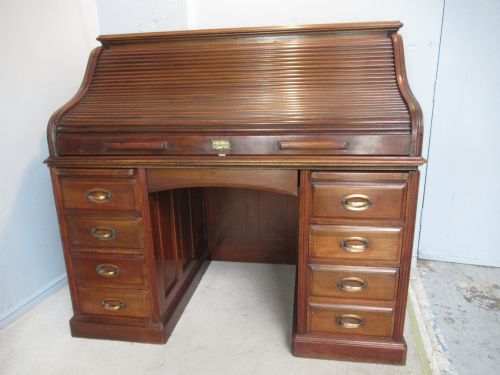
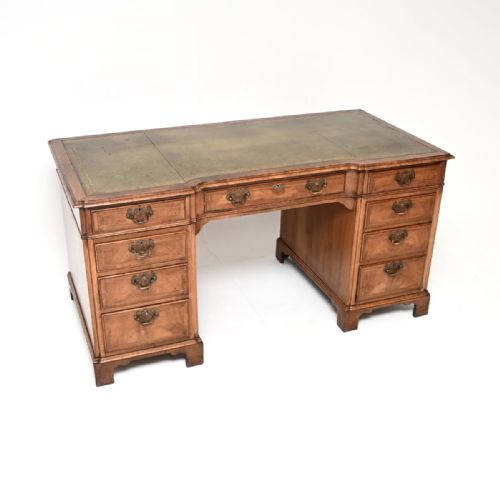
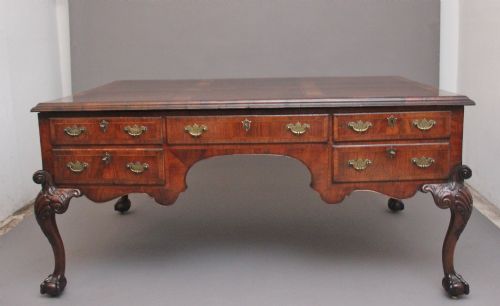
When you search for a large walnut writing desk, you encounter substantial writing furniture spanning the seventeenth century through to the Edwardian period. The versions most commonly met on this page are Victorian partners desks and pedestal forms, alongside earlier bureau bookcases and slope variations.
The objects take many forms, including kneehole desks, library tables, bureau de plat designs, and smaller portable writing slopes alongside monumental cabinets. These pieces originate from English, Georgian, Victorian, and continental workshops, reflecting shifts in domestic study furniture over several centuries.
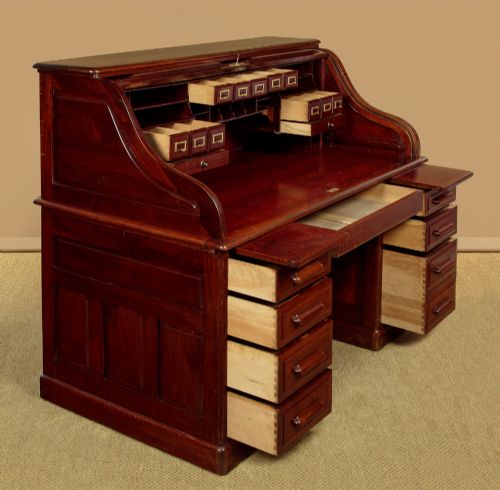
Makers utilised various configurations, from double-sided partners desks meant for two users to hinged bureau compartments concealing secret drawers. Each format serves the primary function of providing an expansive, timber-bound surface for paperwork and storage.
How they were made
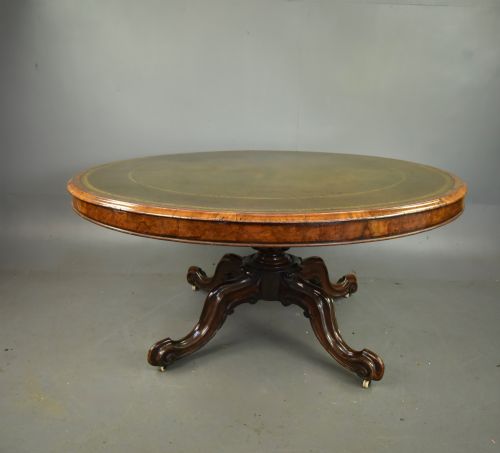
Craftsmen built these desks using solid walnut, burr walnut, and figured walnut veneers laid over secondary timbers such as oak and fruitwood. Marquetry, herringbone inlay, and parquetry added geometric or floral ornamentation to the primary surfaces.
Working details included brass mounts, brass edging, and gilt-tooled leather writing surfaces inset into the top. Internal fittings incorporated secret drawers, pigeonholes, and stationery compartments within structured carcases.
Some writing slopes house secret drawers so well concealed that owners occasionally spend decades writing above fortunes without noticing the hidden panels.
What varies in quality
Quality rests upon the selection of timber, distinguishing plain walnut boards from richly figured burr walnut veneers and crisp herringbone inlay. The depth of carving on structural elements and the integration of secondary timbers further separate standard production from exceptional examples.
Edwards & Roberts·Whytock and Reid
The Large Walnut Writing Desk Glossary
- Partners desk
- A large double-sided desk designed for two people to work face-to-face, featuring drawers and cupboards on both sides. These were traditionally used in libraries and boardrooms.
- Burr walnut
- A specialised timber cut from walnut tree growths, yielding a swirling, highly figured grain pattern prized for veneering. It appears frequently on high-status Victorian and Edwardian writing furniture.
- Bureau bookcase
- A combination piece featuring a sloping desk front that folds down for writing, positioned beneath an upper bookcase section with glass or wooden doors. They often include internal pigeonholes and secret compartments.
- Writing slope
- A portable or stationary box with a slanted hinged lid, opening to reveal a velvet or leather-lined writing surface and small storage wells. Many examples incorporate hidden compartments for confidential documents.
- Lowboy
- A small low table with drawers, often standing on cabriole legs, used as a dressing table or a compact writing surface in eighteenth-century interiors.
- Herringbone inlay
- A decorative banding technique where small pieces of veneer are arranged in a V-shaped zig-zag pattern resembling fish bones. It frames the primary walnut panels on seventeenth and eighteenth-century pieces.
Large Walnut Writing Desk: Frequently Asked Questions
What is a partners desk?
A partners desk is a large double-sided writing table built with drawers and cupboards accessible from both sides. This configuration allowed two individuals to sit opposite each other and work simultaneously.
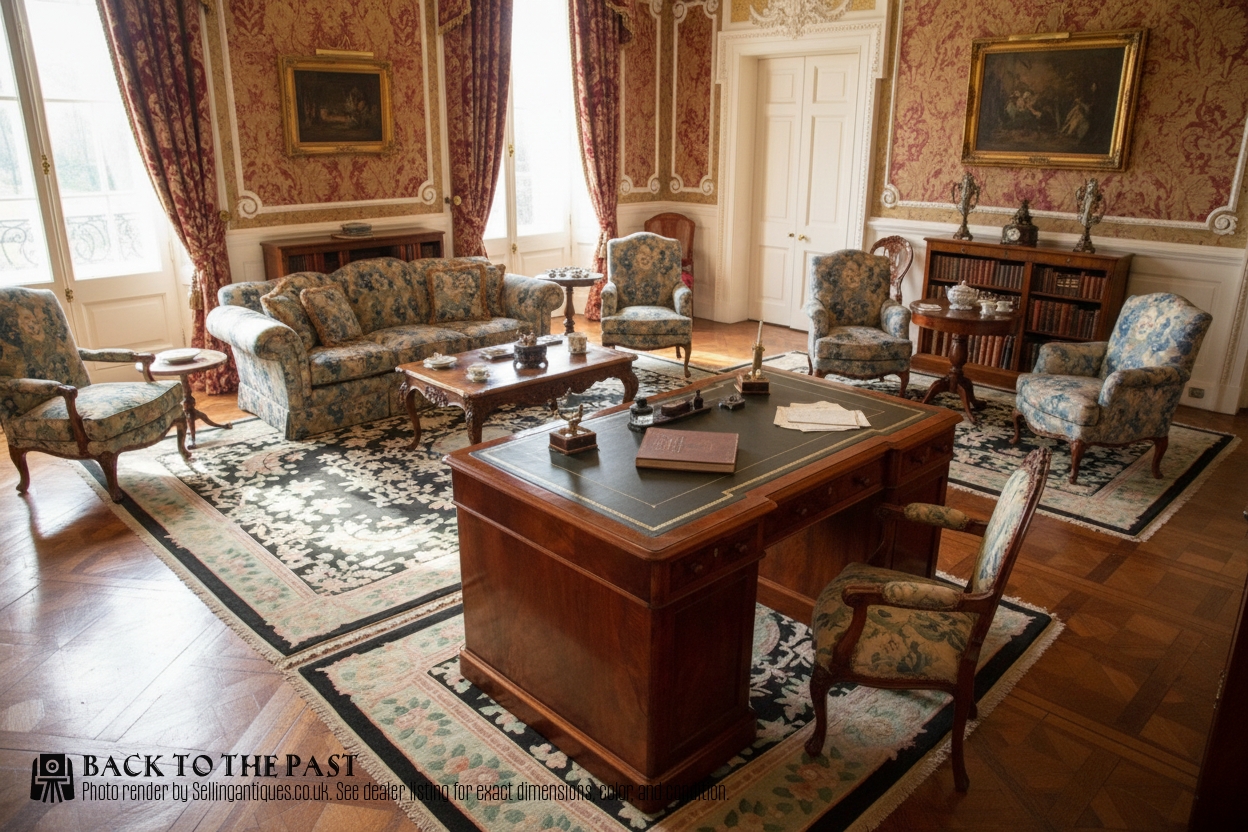
Such desks were traditionally placed in the centre of a room rather than against a wall, making them substantial focal points in libraries and studies.
How do I identify burr walnut?
Burr walnut is distinguished by its dense, swirling grain patterns and intricate knots, which result from irregular tree growths. It was sliced into thin veneers and applied to the primary surfaces of high-status furniture.
This decorative wood stands out from straight-grained walnut due to its rich, mottled appearance and reflective depth.
What are secret drawers?
Secret drawers are concealed compartments built into desks and writing slopes behind false partitions, sliding panels, or removable stationery wells. They were designed to safely store confidential papers, currency, or jewellery.
Accessing them usually requires manipulating a hidden spring, removing an adjacent divider, or sliding a panel in a specific sequence.
How do I care for a leather top?
The leather writing surface requires gentle cleaning with a slightly damp cloth, avoiding harsh chemical cleaners or excess moisture that could damage the hide. Regular conditioning helps preserve the suppleness of the leather and maintains the gilt tooling.
Protecting the surface from direct sunlight and sharp objects will prevent fading and tearing over time.