




Large Victorian Tray
A large victorian tray brings solid silver plate, heavy brass, and deep papier-mâché into modern rooms for serving or display.
Large Victorian Tray
A large victorian tray encompasses serving platters, tea trays, galleried trays, and decorative pieces intended for domestic hospitality. The search phrase covers utilitarian kitchenware alongside formal presentation pieces designed for the drawing room.
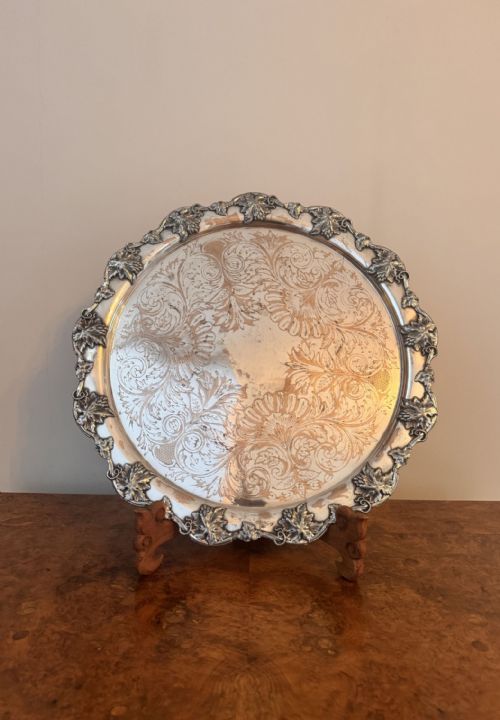
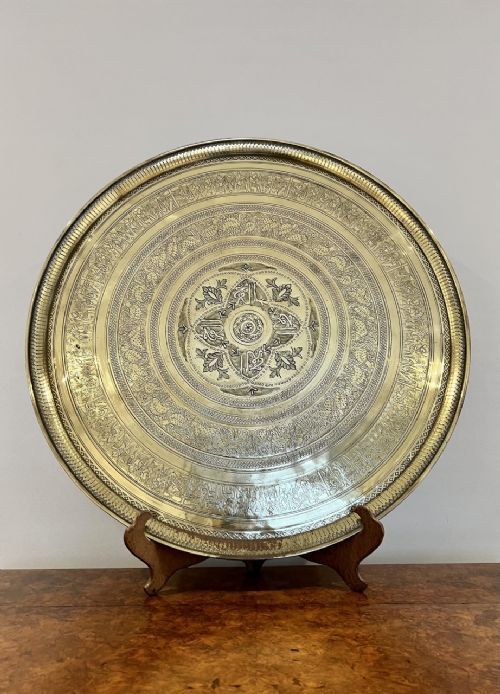
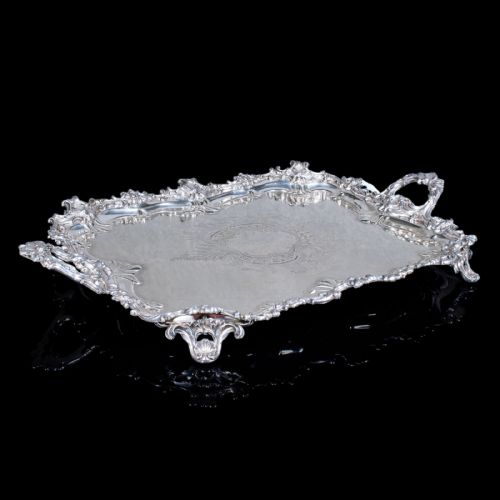
Silver plated metal forms the most frequent encounter on this page, often bearing elaborate chased or engraved decoration from the middle and late nineteenth century. Papier-mâché, oak, mahogany, and brass variations also appear regularly across the historical record.
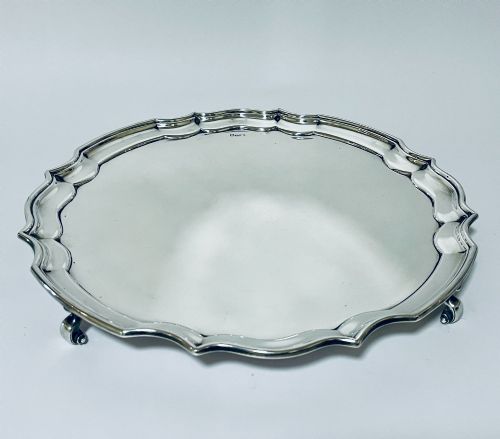
Formats range from circular salvers and oval platters to deep gallery trays fitted with pierced balustrades. Many examples date from the core nineteenth-century periods, spanning the 1850s through to the turn of the twentieth century.
How They Were Made
Makers utilised silver plating techniques over copper or base white metal, alongside heavy casting for brass items and multi-layered lacquering for papier-mâché bases. Hand engraving, chasing, and applied cast borders defined the surface ornamentation of formal silver and plated examples.
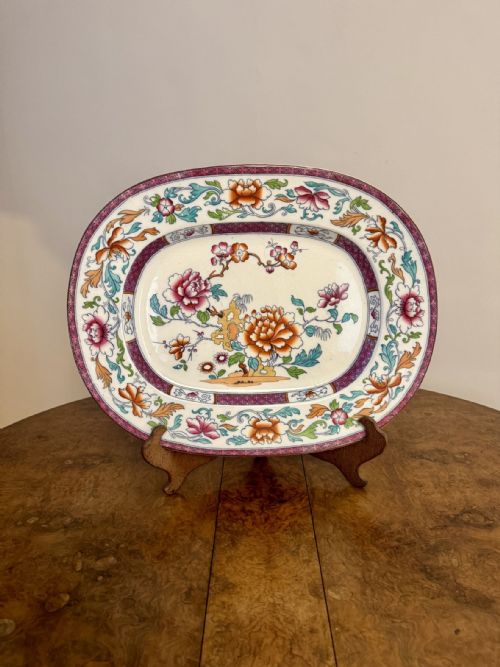
Wooden butler trays and gallery surrounds relied on native timbers such as mahogany and oak, joined with traditional carpentry and fitted with brass handles. Ceramic platters involved earthenware bodies finished with transfer-printed blue and white glazes.
Some nineteenth-century butlers carried tea so earnestly they needed folding stands just to set the tray down.
What Varies in Quality
The weight of the base metal and the crispness of the hand-chased engraving distinguish standard commercial production from top-tier commissions. Substantial gauge silver plate or solid silver retain their integrity through decades of use, whereas thinner plating wears down to the base copper.
Applied cast borders, pierced galleries, and maker signatures indicate higher workshop standards. Superior papier-mâché trays display deep, unblemished black lacquer finishes complemented by detailed hand-painted or inlaid highlights.
Elkington Mason·Walker Knowles·Elkington Co·Roberts Belk·Atkin Brothers·George Richmond Collis·Hunt Roskell
The Large Victorian Tray Glossary
- Salver
- A flat plate or tray, typically made of silver or silver plate, used for serving drinks or presenting items. They often stand on small feet.
- Gallery tray
- A tray featuring an upright pierced metal or wooden rim around the edge to secure items during transport. The gallery is frequently pierced with openwork patterns.
- Papier-mâché
- A composite material made from paper pulp or reinforced paper layers mixed with glue, then moulded and lacquered. It provides a lightweight yet sturdy base for decorative trays.
- Old Sheffield plate
- An early fused plating method where a thin sheet of silver is fused to a thicker copper core. This technique precedes electroplating and shows characteristic lines where the base metal reveals itself.
- Chasing
- A metalworking technique where the artisan pushes metal from the front using punches to create raised surface designs. It differs from engraving, which cuts metal away.
Large Victorian Tray: Frequently Asked Questions
How were large victorian trays used?
Households utilised these large trays for carrying tea services, serving heavy meat platters, or organising desk accessories. Butler trays often functioned on folding stands as movable side tables in drawing rooms.
Formal salvers remained on sideboards to present calling cards or drinks to visitors. Heavy gallery trays prevented glassware from sliding during transport across large country houses.
What is the difference between silver plate and solid silver?
Solid silver pieces consist entirely of precious metal and carry official hallmarking stamps indicating the assay office and purity standard. Silver plated items apply a thin layer of silver over a base metal foundation.
Over long periods of polishing, plated items may reveal the underlying copper or brass base metal. Solid silver retains its metallic composition throughout its entire thickness.
How do I care for an antique tray?
Maintain silver and plated surfaces using appropriate non-abrasive metal cleaners applied gently with soft cloths. Avoid harsh chemical dips that strip the character from engraved lines.
Wooden and papier-mâché versions require dry dusting and protection from excessive moisture or direct heat sources. Wax polish preserves finished timber surfaces without damaging older patinas.
How can I date a papier-mâché tray?
Early nineteenth-century examples often display Regency period proportions and simpler gilt motifs on dark lacquer. Victorian iterations tend toward heavier construction and more intricate floral or inlaid decoration.
Examining the underside reveals the base material composition and any workshop stamps or registration marks. Faint impressed numbers or maker names frequently assist in narrowing down the decade.