




Large Victorian Overmantel Mirror
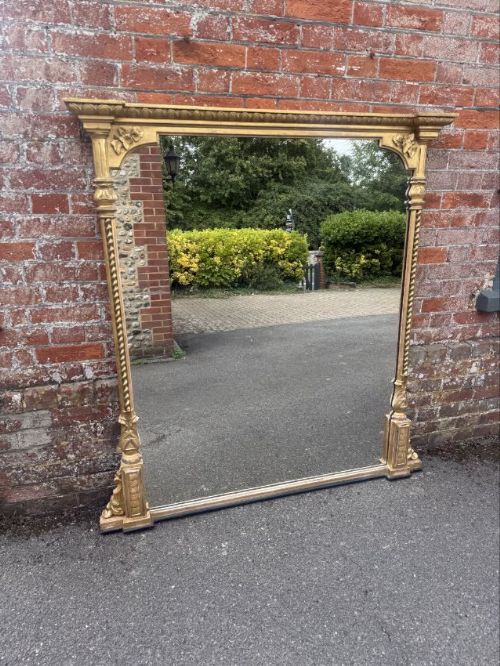
A large victorian overmantel mirror dominates a chimney breast, reflecting light and proportioning a grand room.
Forms and Origins
A large victorian overmantel mirror is a substantial wall glass designed to sit above a fireplace, anchoring the domestic interior of the nineteenth century. These objects appear in architectural formats that span the nineteenth century, including the 1860 and 1870 decades.
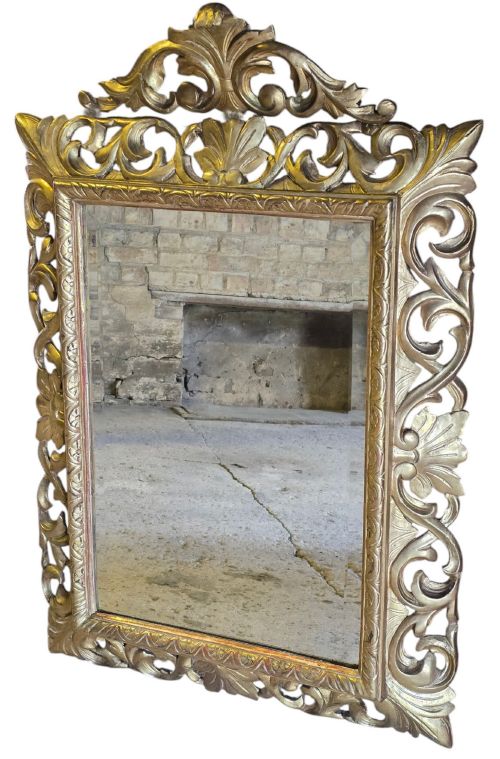
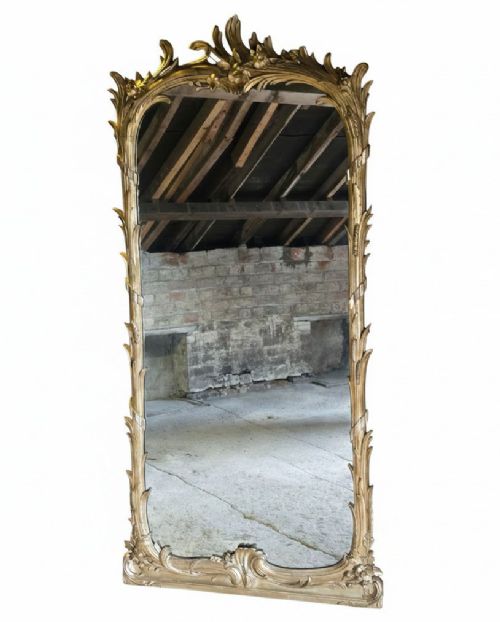
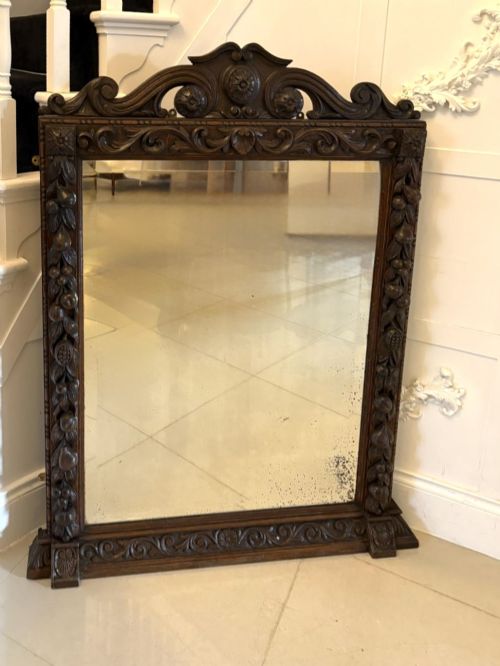
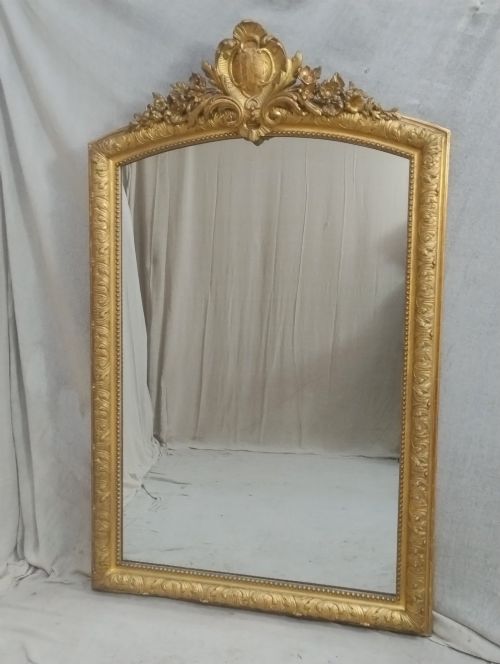
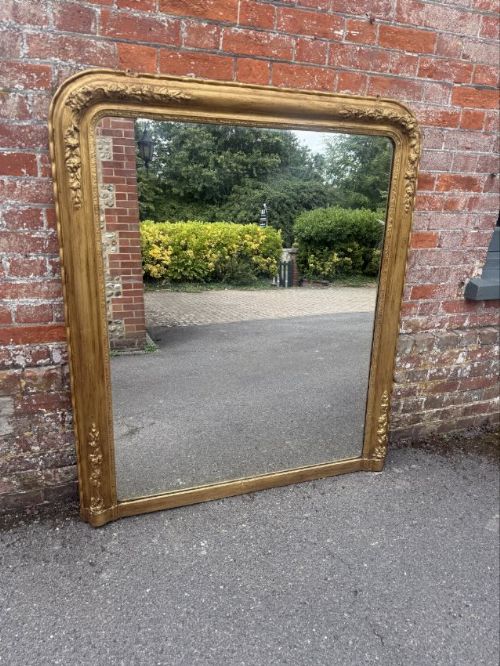
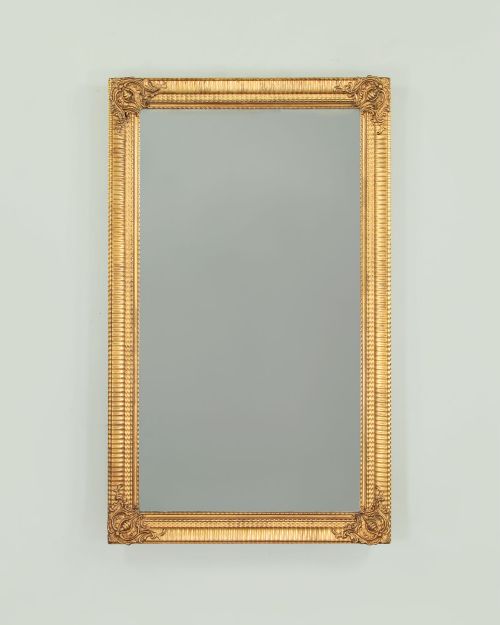
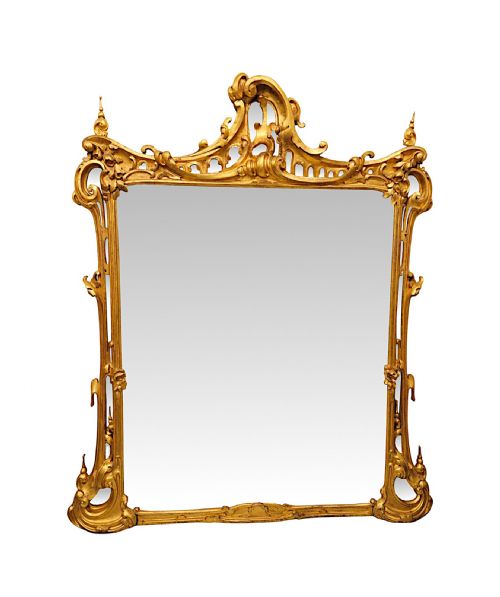
The dominant architectural format is the archtop or arched top, alongside cartouche-shaped forms, oval profiles, and rectangular designs. Most examples originate from English workshops and utilise substantial wooden frames scaled for principal reception rooms.
Stylistic influences range from classic Victorian austerity to exuberant French Rococo Revival and Regency style revivals. Surviving pieces demonstrate the period preference for monumental scale positioned directly above the hearth.
Materials and Technique
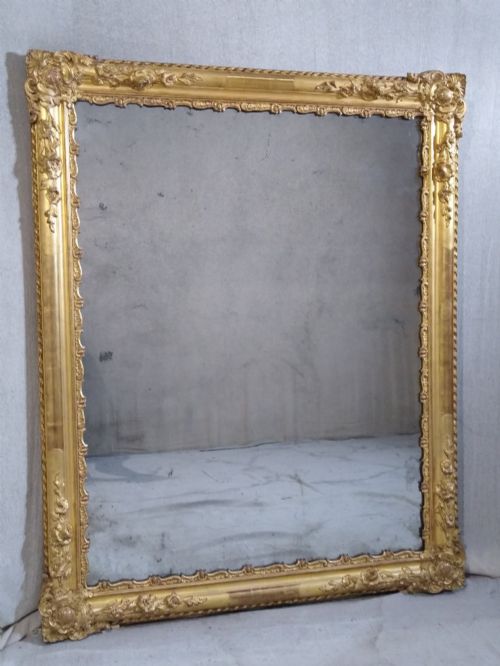
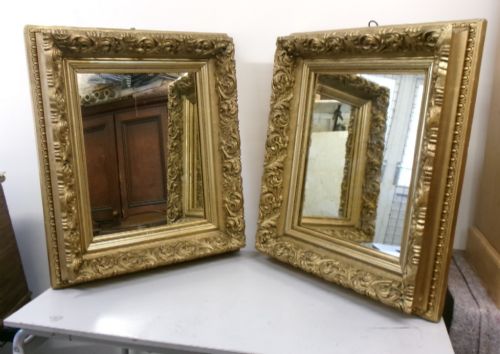
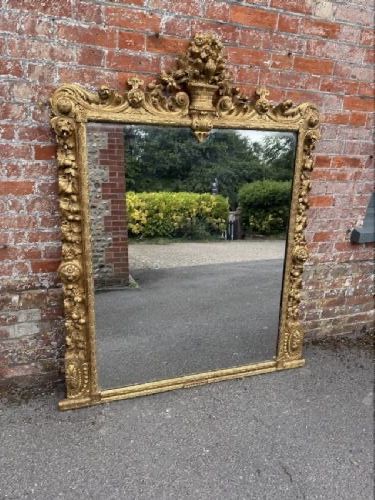
Makers constructed the primary carcases from timber such as mahogany, walnut, and rosewood, or utilised softer woods built up with gesso. Carved wood details provide relief work along the frame borders, sometimes incorporating rope twist motifs.
Surface finishes rely heavily on applied gold leaf and gilding over gesso, or alternatively specialist paint finishes including distressed painted treatments and ebonising. Silvered glass plates are mounted within these heavy frames to complete the construction.
Retail Price Guide 2026
Typical UK retail prices for large victorian overmantel mirror, calculated from the Sellingantiques database of over a million retail prices indexed since 2003. This retail price guide relies exclusively on Sellingantiques data; no external sources or auction records are used, so the figures do not describe the wider market.
Some frames incorporate a rope twist motif, giving rigid wooden gesso a soft, coiled appearance.
Standards of Execution
Quality rests in the depth and sharpness of the carved wood and gesso ornamentation rather than flat surface decoration. Crisp detailing on archtops and cartouche shapes indicates superior workshop execution.
The handling of the gilding and gold leaf separates standard production from finer pieces. Original surfaces that retain their intended patination without heavy re-gilding command greater authority.
The Large Victorian Overmantel Mirror Glossary
- Overmantel Mirror
- A large mirror specifically proportioned to hang on the wall directly above a fireplace mantelpiece. These pieces often reflect the architectural width of the hearth below.
- Gesso
- A plaster-like mixture applied to wood frames and carved to create raised ornament before gilding. It allows for intricate decorative mouldings.
- Giltwood
- Timber that has been coated with gold leaf or gold paint. It provides a luminous surface that catches candlelight and daylight.
- Archtop
- A mirror frame featuring an arched upper curved section. This curved profile softens the rectangular geometry of period fireplaces.
- Cartouche
- An ornamental frame with scroll-like or shield-like carved margins. This cartouche-shaped form appears on more elaborate nineteenth-century wall pieces.
Frequently Asked Questions
Where should an overmantel mirror hang?
These large mirrors are traditionally mounted directly above a fireplace mantelpiece to anchor the room's central focal point.
Their physical weight requires secure fixing into structural walling rather than standard plasterboard partitions.
How do I identify a Victorian mirror?
Victorian pieces display specific material traits like heavy gesso over wood carcases and traditional English timber framing.
Stylistic cues include nineteenth-century proportions and revival motifs such as French Rococo or Regency influences.
Are these mirrors painted or gilt?
Surviving examples utilise both decorative approaches depending on the original interior scheme and decade of production.
Finishes range from applied gold leaf and giltwood to painted, distressed, or ebonised wood surfaces.
What shapes do these mirrors come in?
The inventory records significant variety including arched top designs, cartouche-shaped forms, and oval wall configurations.
Rectangular formats and square-edged variations also appear across the nineteenth-century timeline.