


Large Ushak Wool Rug
A large ushak wool rug brings warmth and grand proportion to a room, offering faded historic palettes and generous floor coverage.
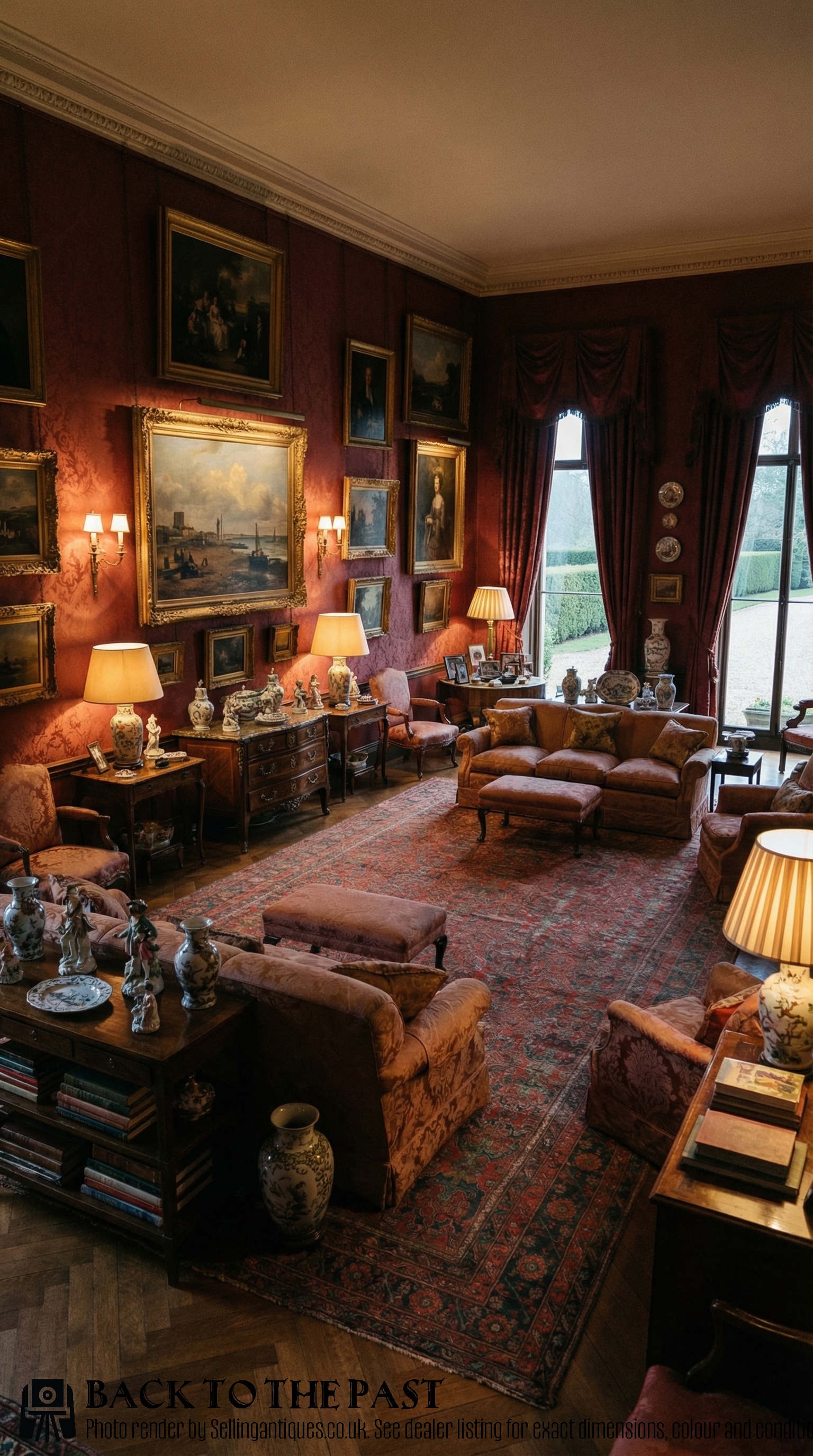
Large Ushak Wool Rug
When you search for a large ushak wool rug, you encounter substantial room-sized floor coverings originating from Turkey during the late nineteenth and early twentieth centuries. These pieces carry regional Anatolian traditions and frequently display medallion patterns or restrained floral motifs set against ivory and muted grounds.
The specimens seen here predominantly date from the eighteen seventies through to nineteen twenty, encompassing nineteenth century examples alongside pieces from the early nineteen hundreds. Buyers most commonly meet grand carpets measuring several metres across, suited to anchoring large reception rooms and drawing spaces.
Stylistically, these floor coverings bridge Ottoman court aesthetics and village weaving methods, often categorised under Turkish Oushak or Anatolian designations. Their substantial dimensions distinguish them from smaller scatter formats, making them practical centrepieces for historic and contemporary interiors alike.
What varies in quality
The artistic merit of a large ushak wool rug rests primarily on the harmony of its faded palette and the balanced scale of its central medallion design. Weaving density and the fineness of the knotting dictate the crispness of the drawn motifs against the surrounding field.
Pliable handling of the wool pile and the integrity of the original cotton foundation structures separate standard room-sized carpets from exceptional surviving examples. The subtlety of the natural dye shifts across the expansive ivory or coloured ground ultimately determines the visual impact of the piece.
Materials recorded across these items include standard wool, cotton foundations, and softer angora wool variants.
Maples·Maple and Co
The Large Ushak Wool Rug Glossary
- Ushak
- A major carpet-weaving town in western Anatolia known for producing distinctive large-scale decorative rugs with medallion designs.
- Angora wool
- A soft, fine fleece sometimes utilised in specific antique carpets to impart a silk-like lustre and tactile depth to the pile.
- Medallion
- A large central ornamental motif set within the field of a carpet, characteristically dominating the composition in Ottoman weaving traditions.
- Warp
- The stationary vertical threads stretched upon a loom that form the foundational skeleton of a hand-knotted rug.
- Weft
- The horizontal threads passed across the warp strands after each row of knots to bind the structure firmly together.
Large Ushak Wool Rug: Frequently Asked Questions
Where were these rugs made?
These large floor coverings were produced in and around the historic town of Ushak in western Anatolia. The region established a renowned tradition of exporting decorative carpets to European markets.
Production spanned several centuries, with the examples on this page concentrating heavily in the late nineteenth and early twentieth centuries. They reflect a distinct synthesis of Ottoman design sensibilities and regional Turkish weaving expertise.
How do I choose the right size?
Selecting the appropriate dimension requires measuring your floor space to ensure the rug allows furniture legs to sit comfortably upon the field. Large formats work best in spacious reception rooms where they can anchor a seating arrangement without feeling cramped.
Consider leaving a uniform perimeter of exposed floorboards around the edges of the carpet to frame the piece correctly. Grand proportions require adequate clearance from walls and architectural doorways to let the design breathe.
What colours do they typically feature?
The palette relies heavily on soft ivory grounds, muted earthy tones, and subdued terracotta or faded reds. These restrained hues developed naturally as antique vegetable dyes mellowed over generations of exposure and gentle washing.
This characteristic fading gives the textiles their prized decorative versatility, allowing them to blend effortlessly into neutral contemporary interiors or traditional settings.
How should I care for a historic wool rug?
Gentle vacuuming without a rotating brush roll helps remove embedded dust from the wool pile without straining the cotton foundation. Professional cleaning tailored to antique textiles ensures the natural lanolin in the wool remains preserved.
Positioning the carpet away from direct, harsh sunlight prevents uneven fading across the large expanse of the field. Using a breathable underlay protects the historic structure from sliding and reduces friction against hard flooring.