





Large Ushak Floor Carpet
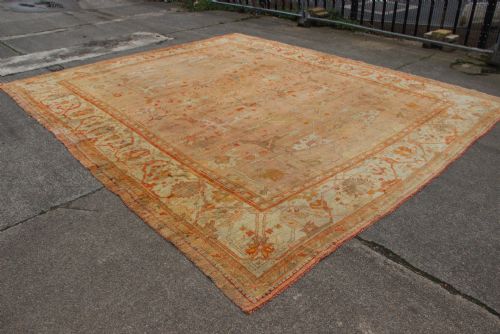
A large ushak floor carpet brings monumental scale and subdued Anatolian artistry into a room, offering grand floor coverage with historic presence.
Large Ushak Floor Carpet
When you search for a large ushak floor carpet, you encounter substantial room-sized floor coverings originating from Turkey during the nineteenth and early twentieth centuries. These pieces represent a distinct tradition within Anatolian rug production, prized for generous proportions that suit expansive spaces.
The selections available span several decades from the late nineteenth century through to the 1920s, alongside general nineteenth-century examples. Most present themselves as carpets or large area rugs rather than small scatter mats.
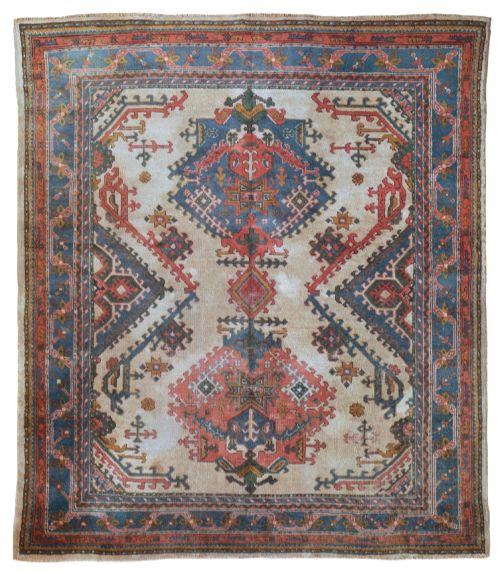
Makers and workshops from this tradition utilised distinct design vocabularies associated with Ottoman aesthetics. Ivory grounds and central medallions appear frequently among the inventory.
How they were made
Weavers constructed these large ushak floor carpet examples using wool, cotton foundations, and occasionally angora wool. These natural fibres provided both structural durability and distinct tactile qualities.
The structural materials support heavy foot traffic while maintaining flexibility across wide floor spans. Cotton typically forms the warp and weft foundation, whilst wool and angora wool comprise the surface pile.
Large Ushak Floor Carpet Retail Price Guide 2026
Typical asking prices for large ushak floor carpet among the pieces listed under this phrase on Sellingantiques today, from the lower quarter to the upper quarter. They describe what is for sale here now, not the wider market.
The listings span production dates from the 1870s through to the 1920s, documenting styles rooted in Ottoman and Anatolian traditions.
What varies in quality
Differences in quality manifest in the handling of wool and angora wool, which dictate the softness and depth of the pile. Finer examples retain greater density in the weave and more subtle fading across the surface.
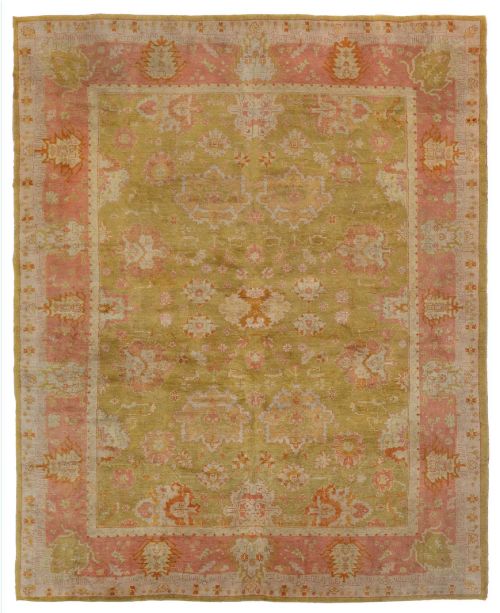
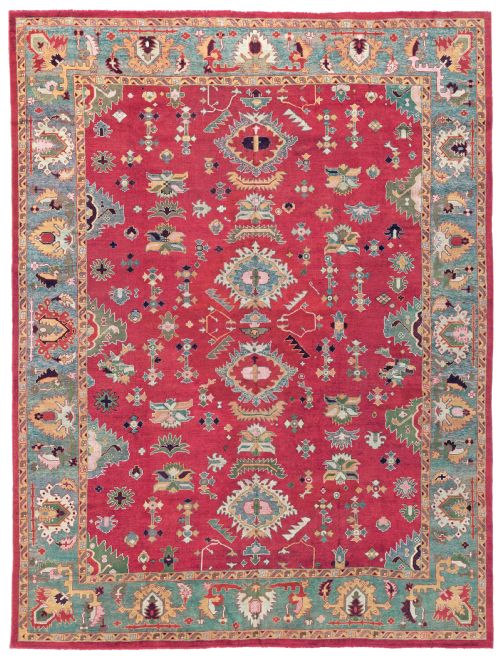
The precision of the Ottoman or Anatolian designs and the clarity of ivory grounds influence visual distinction. Condition ranges from intact historical surfaces to pieces showing significant age-related wear.
Maples Ushak
The Large Ushak Floor Carpet Glossary
- Ushak
- A traditional type of carpet originating from the town of Ushak in western Anatolia. These rugs are known for large-scale floral motifs and soft colour palettes.
- Angora wool
- A fine, soft animal fibre utilised in specific regional carpets for added lustre and texture. It provides a distinct handle compared to standard sheep wool.
- Medallion
- A central ornamental design motif placed in the middle of the carpet field. This focal element anchors the overall geometric or floral composition.
- Warp
- The vertical threads stretched on the loom that form the structural skeleton of the carpet. Cotton is frequently employed for this purpose in these pieces.
- Weft
- The horizontal threads passed across the warp to hold the knots in place. Together with the warp, it constitutes the foundation of the textile.
Large Ushak Floor Carpet: Frequently Asked Questions
How do I date a large ushak floor carpet?
Dating relies on stylistic markers, structural analysis, and comparative evidence from known periods between 1870 and the 1920s. Subtle shifts in colour palettes and wool handling help place pieces within this timeframe.
Examination of the foundation materials, such as cotton warps, also assists in narrowing down the era of production.
Where were these carpets originally made?
These textiles were produced in Anatolia, specifically centred around the historic weaving town of Ushak in Turkey. This region has a long-standing reputation for large-scale carpet manufacturing.
The influence of Ottoman design traditions remains central to their geographical and cultural origin.
How should I care for an antique carpet?
Protect the wool and cotton fibres by avoiding direct, prolonged exposure to harsh sunlight and by using breathable underlays. Regular gentle vacuuming without a beater bar prevents dust accumulation in the pile.
Professional cleaning tailored to antique textiles ensures the structural integrity of the foundation remains undisturbed.
What materials make up these antique rugs?
The primary materials consist of wool and cotton, with select examples incorporating soft angora wool. Cotton serves primarily as the foundational warp and weft, providing stability.
Wool and angora wool create the deep surface pile that defines the tactile experience of the piece.