

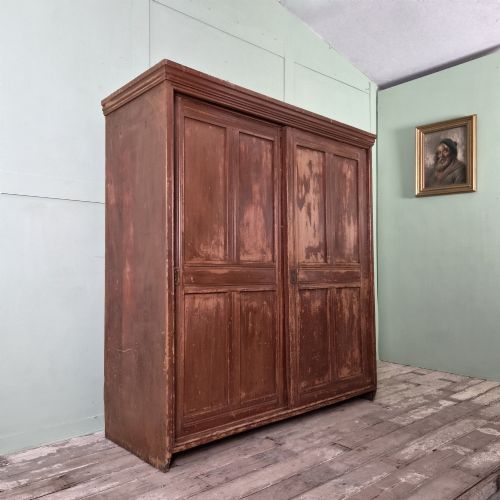
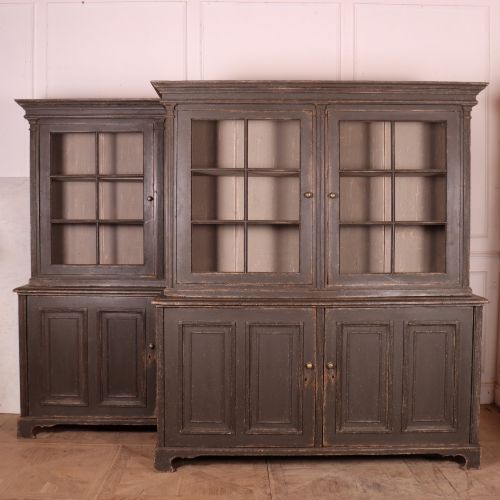
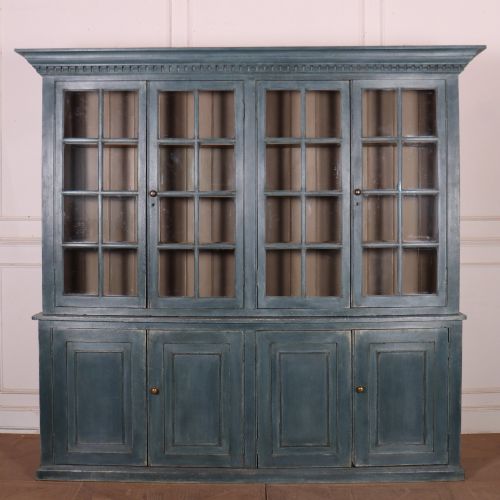
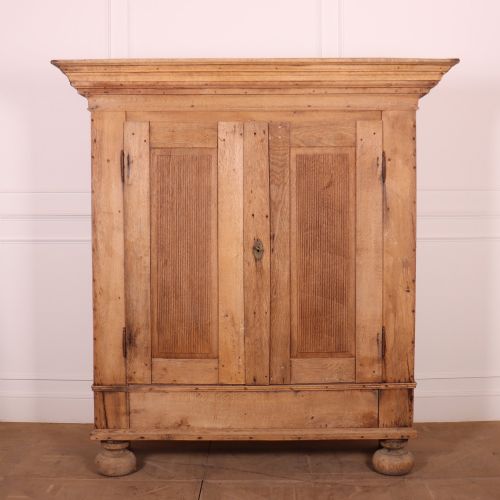
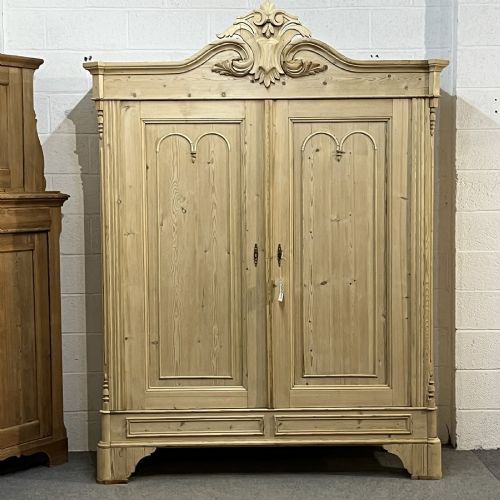
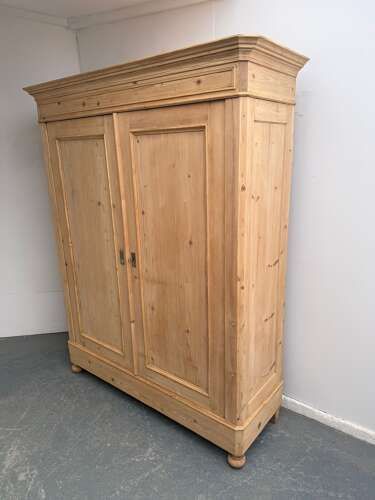
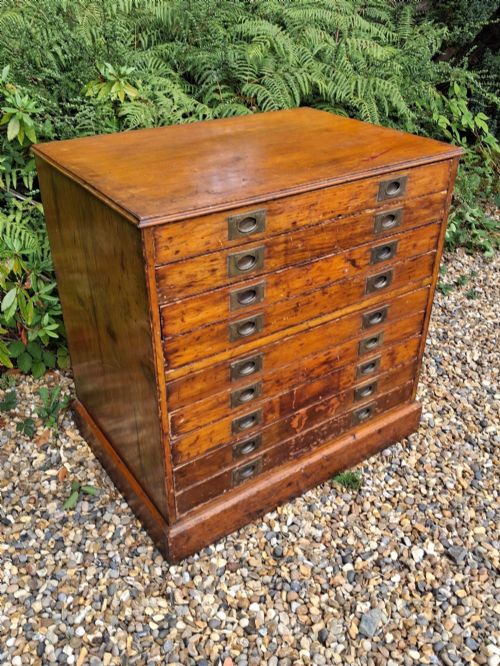
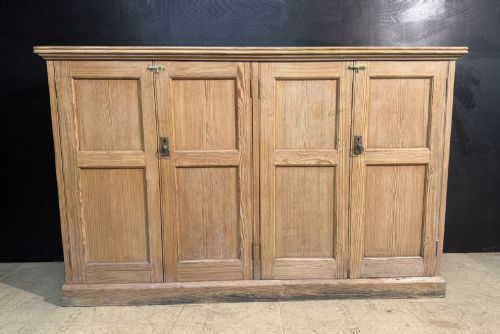
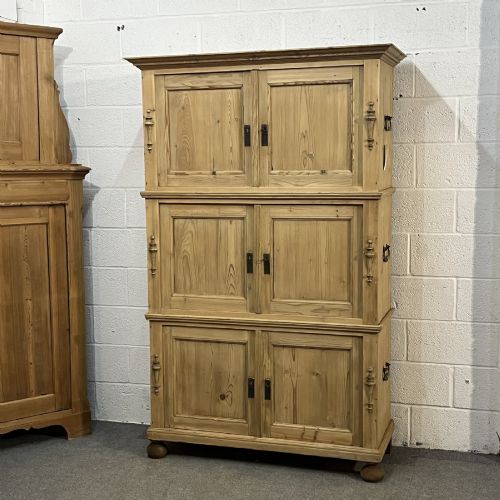

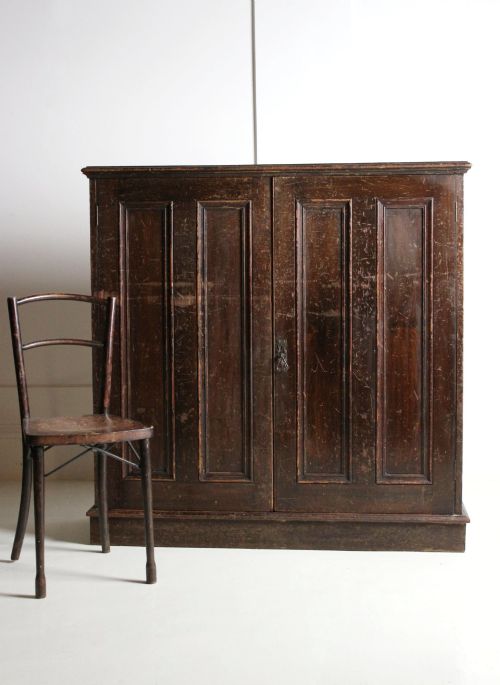
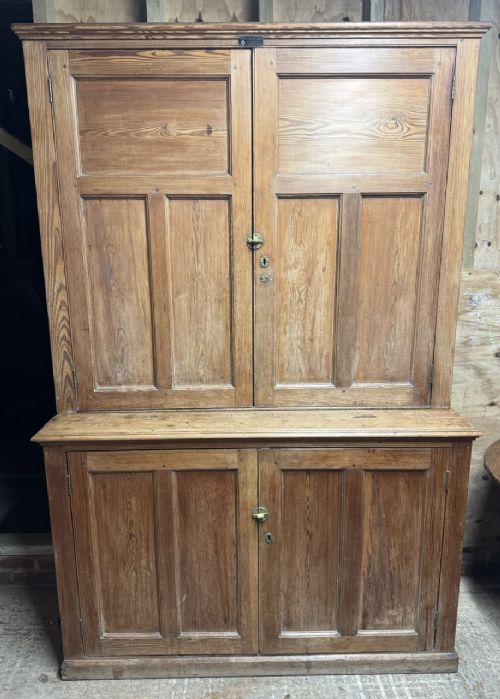
Large Pine Storage Cabinet
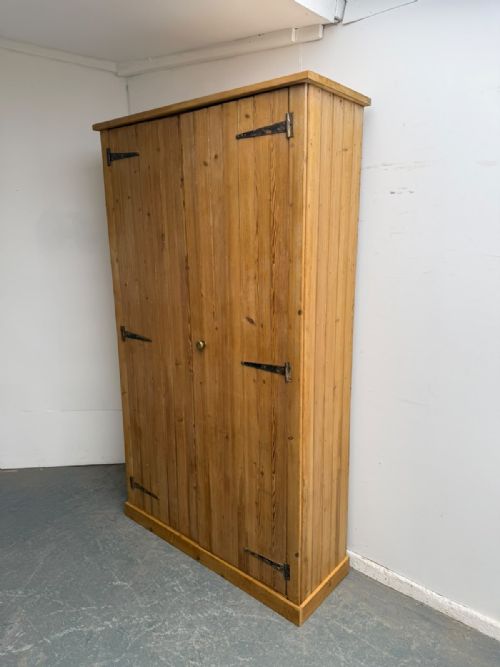
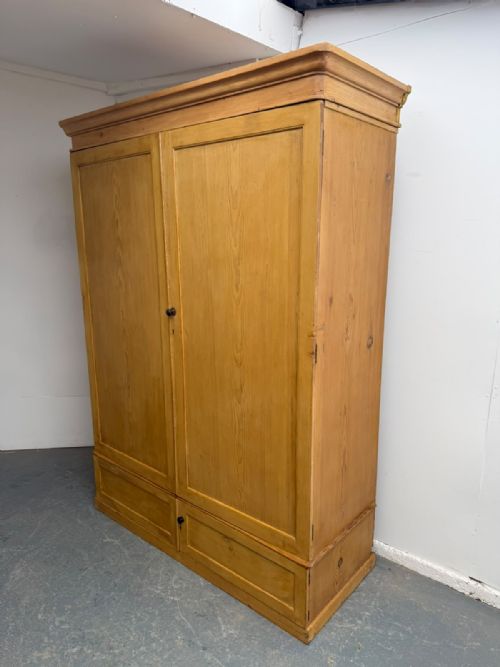
A large pine storage cabinet organises a room with sturdy shelves and timber depth, spanning Victorian utility to Georgian country rooms.
Large Pine Storage Cabinet
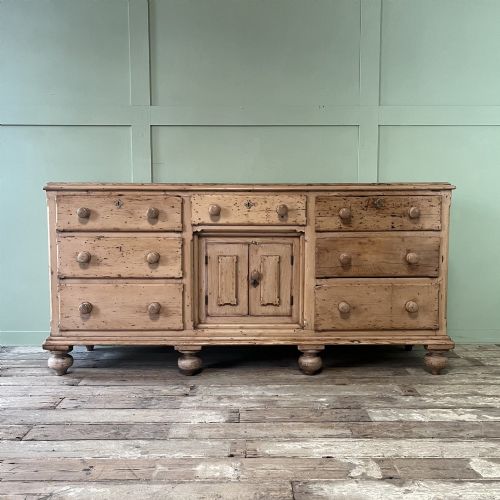
A large pine storage cabinet serves heavy domestic duty across periods from the eighteenth century to the early twentieth century. These pieces appear as housekeepers cupboards, larder cupboards, linen presses and multi-drawer shop fittings.
Victorian and nineteenth-century examples dominate the selection, often built with knockdown frames for transport or arranged with multiple doors and drawers. Regional pieces include English, French, Dutch, German and Danish formats built for domestic utility.
Materials and construction
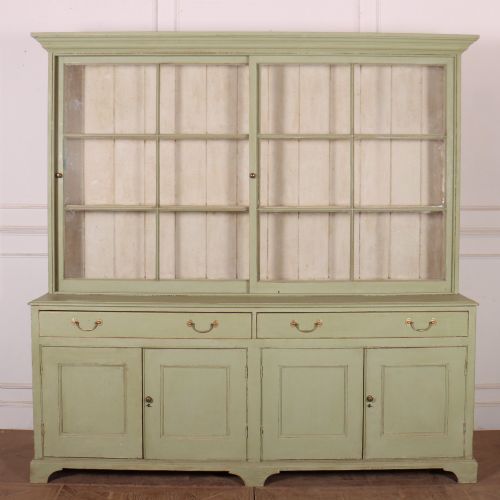
Construction relies primarily on solid pine and pitch pine, sometimes augmented by iron and brass hardware, glass panels, and applied paint finishes. Many pieces retain original cream or green paint, while others are prepared for waxing or painting.
Large Pine Storage Cabinet Retail Price Guide 2026
Typical asking prices for large pine storage cabinet among the pieces listed under this phrase on Sellingantiques today, from the lower quarter to the upper quarter. They describe what is for sale here now, not the wider market.
Listings span Georgian, Victorian, and early twentieth-century periods, utilising standard pine, pitch pine, iron, and glass.
Assessment of standard
Quality rests on the integrity of the timber framing and the survival of original surface finishes like early paint or deep patinated wax. Fine examples show careful proportion in breakfront or corniced elevations alongside intact internal shelving and drawers.
The presence of original hardware, working locks, and structural soundness without excessive timber replacement distinguishes superior pieces. Utility items built for schools or shops carry robust industrial character that differs from domestic furniture.
The Large Pine Storage Cabinet Glossary
- Knockdown
- Furniture built to be dismantled into sections for transport. This method allowed large wardrobes and cupboards to enter rooms through standard doorways.
- Housekeeper's cupboard
- A large storage piece traditionally used for linen and provisions. These usually feature upper cupboards above lower drawers or smaller doors.
- Breakfront
- A piece of furniture where the central section projects forward from the flanking wings. This architectural arrangement breaks the flat plane of large storage cabinets.
- Linen press
- A tall cupboard designed for storing folded textiles. They typically combine upper shelf space with lower drawer storage.
- Pitch pine
- A dense, resinous softwood with pronounced grain patterns. It provided exceptional durability for nineteenth-century institutional and domestic cabinetry.
Large Pine Storage Cabinet: Frequently Asked Questions
What is a large pine storage cabinet used for?
These cabinets serve as principal storage pieces in kitchens, bedrooms, and hallways. They hold provisions, linens, and everyday household goods behind sturdy wooden doors.
Their substantial internal volume accommodates bulky items that smaller furniture cannot manage. Many utilise adjustable shelving or banks of drawers to organise specific domestic requirements.
How do I date a pine storage cabinet?
Dating relies upon construction methods, hardware types, and stylistic cues from periods like the Georgian and Victorian eras. Earlier eighteenth-century examples display hand-cut joinery and simpler proportions compared to later standardised utility pieces.
Surface treatments also offer clues, as original paint or early wax finishes reveal the working life of the timber. Regional variations from Britain, France, Germany, and Denmark further help place the piece in its era.
Are these cabinets easy to move?
Many large pine storage cabinets feature knockdown construction designed specifically for dismantling into manageable sections. This traditional engineering allows substantial wardrobes and cupboards to navigate tight staircases and doorways.
Solid one-piece cabinets require careful measurement of access routes before placement. Professional handling is recommended for massive pieces due to the heavy weight of dense pine timber.
Should I wax or paint my cabinet?
Many pieces arrive prepared for waxing or painting to suit contemporary interior schemes. Cabinets retaining original historic paint should be preserved rather than stripped to maintain their character and authenticity.
Unpainted pine takes wax well to develop a deep, warm patina over time. Choosing a finish depends entirely on the existing surface condition recorded in the piece's history.