

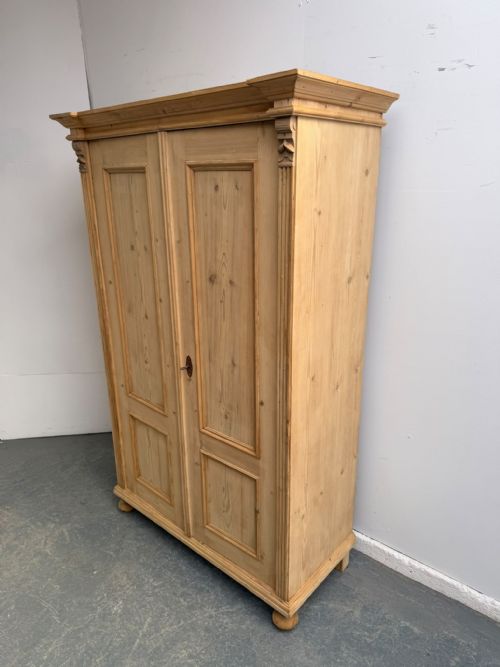
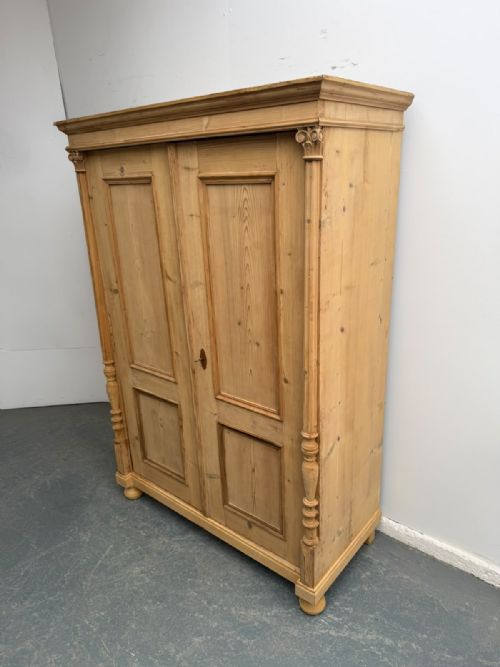
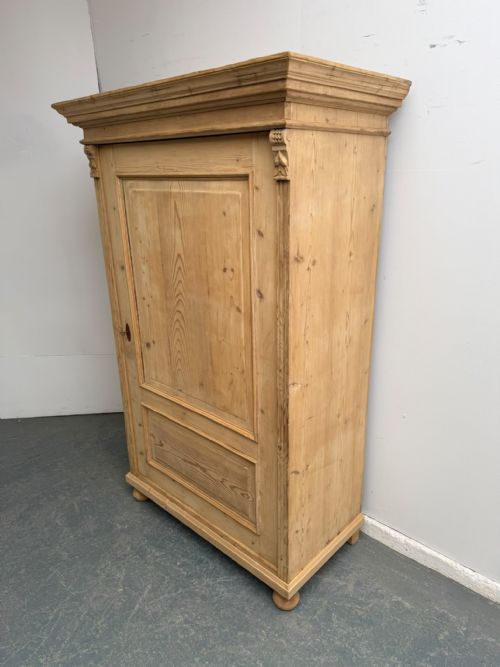
Freestanding Pine Storage Cupboard
A freestanding pine storage cupboard is a practical utility piece built from timber to hold household goods, offering honest storage for modern rooms.
Freestanding Pine Storage Cupboard
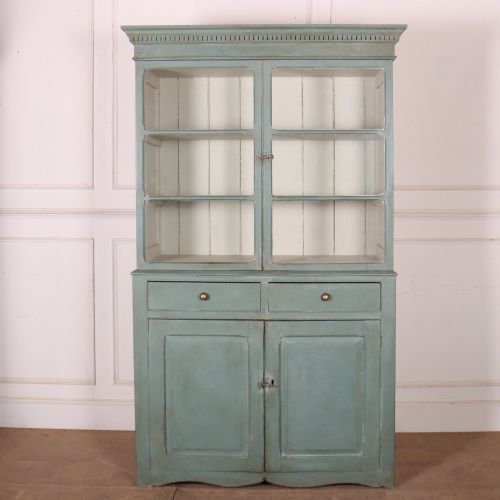
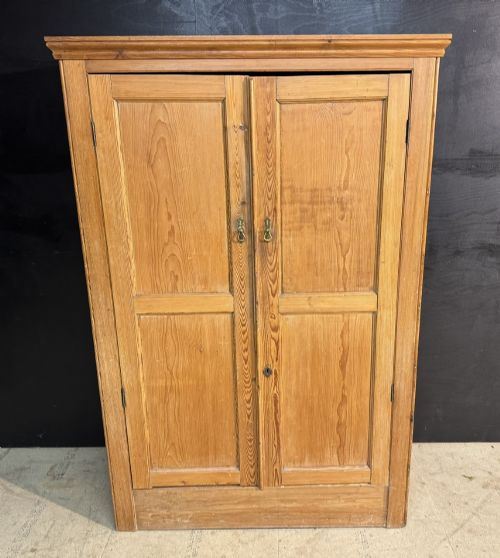
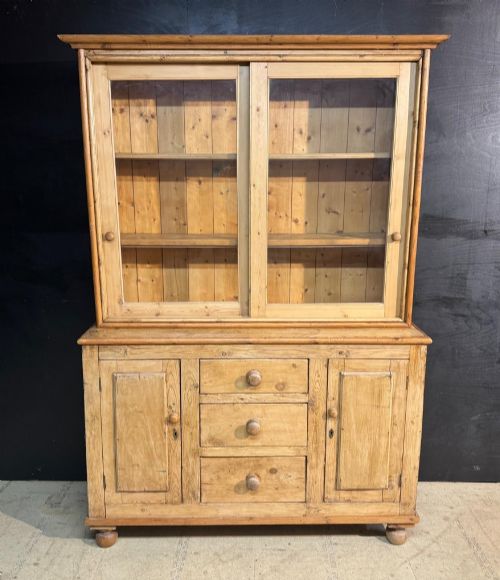
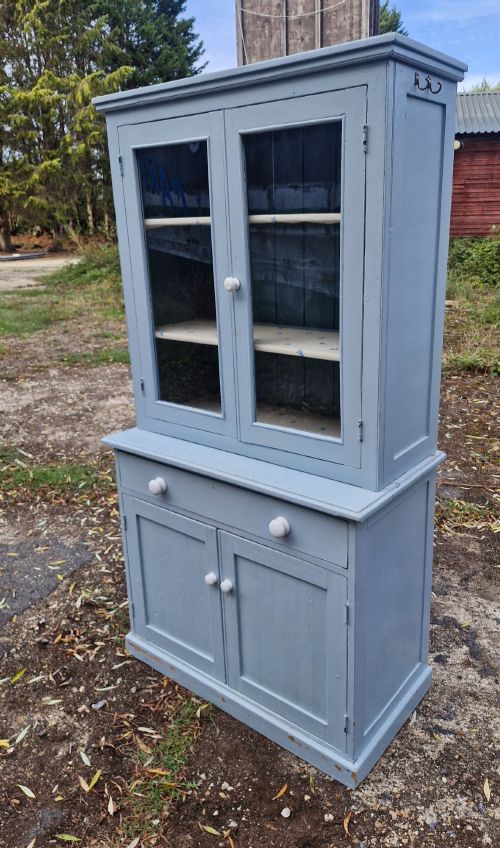
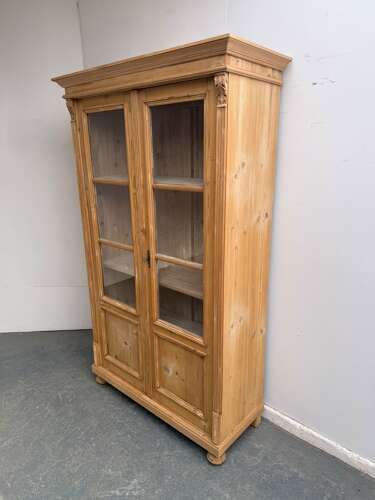
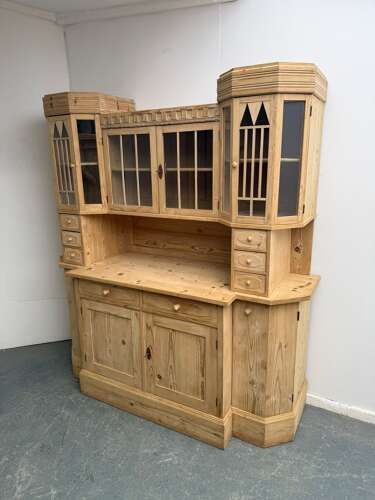
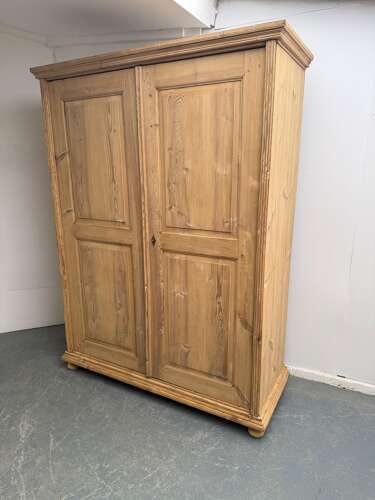
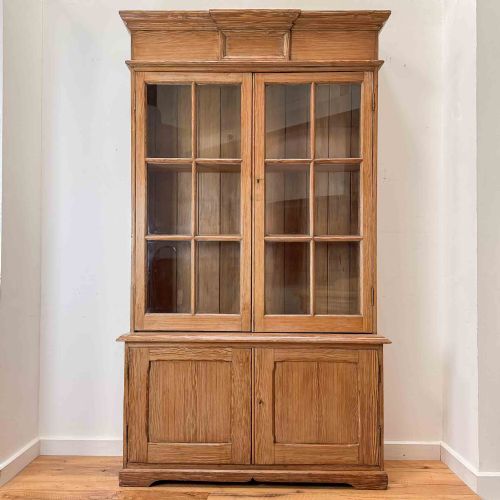
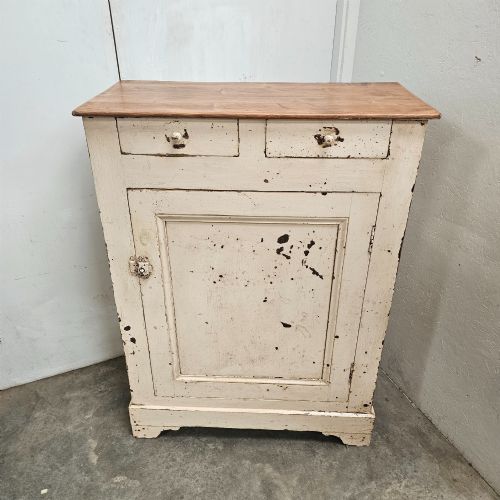
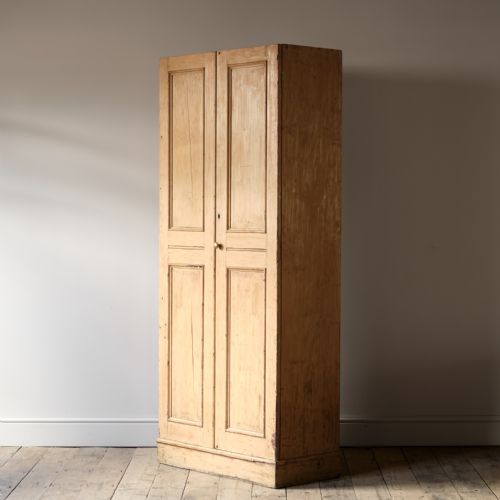
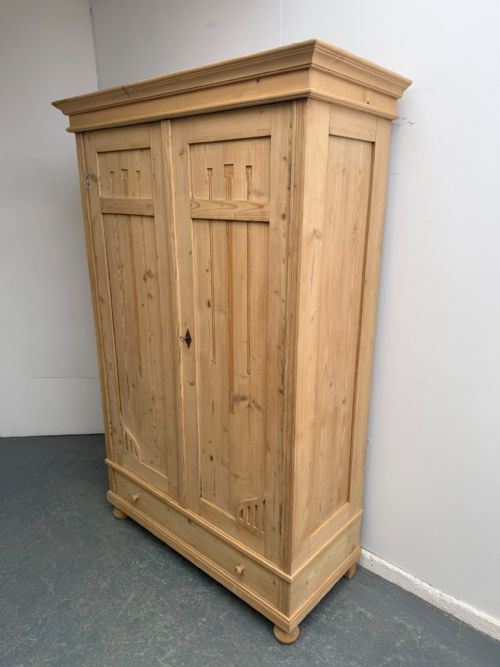
A freestanding pine storage cupboard provides upright domestic organisation using softwoods across varied vernacular traditions. Pieces range from tall Scottish glazed cabinets and kitchen dressers to Hungarian hall wardrobes and corner cupboards.
Most examples date to the nineteenth century, including Victorian country work and earlier Georgian forms, alongside occasional twentieth-century iterations from the nineteen-tens and thirties. Buyers encounter both original painted finishes and surfaces prepared for wax or paint.
Forms span specialised functions like larder cupboards, housekeepers cupboards, bread and cheese cupboards, and simple two-door storage units. These utilitarian objects served domestic duties in kitchens, halls, and pantries.
Materials and Methods
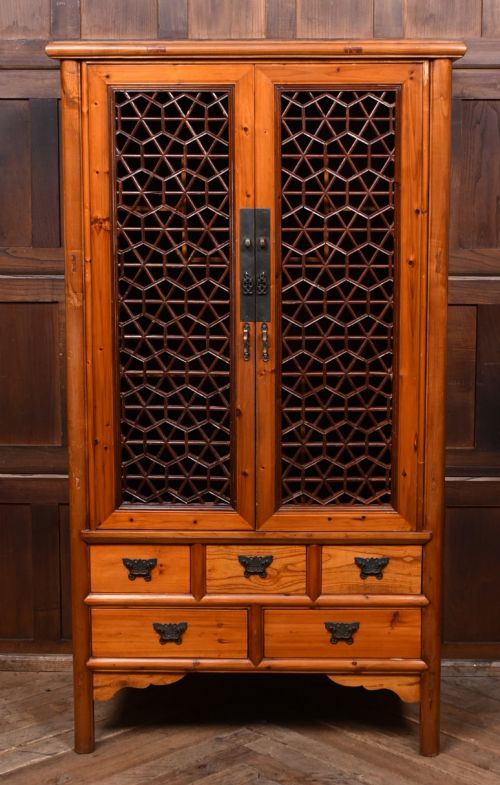
Construction relies primarily on pine and pitch pine, supplemented by iron and brass hardware for hinges, latches, and pulls. Glazed doors incorporate glass panels, while other carcasses feature panelled woodwork such as fielded designs.
Many items utilise original paint or distinct layers of paint applied over softwood planks, whereas others remain bare for subsequent waxing or painting. Joinery techniques accommodate the natural movement of timber across one-piece and two-part knockdown constructions.
Styles span Victorian country, rustic farmhouse, English and Scottish country, Arts and Crafts, and French provincial traditions.
Evaluating Construction and Surface
Quality rests in the integrity of the timber framing, the stability of joints in tall or multi-door carcasses, and the preservation of original hardware like brass or iron fittings. Substantial pieces with integrated shelves or functional ventilation slats demonstrate careful vernacular joinery.
The character of the surface finish dictates visual depth, separating items retaining original paint layers from those stripped or prepared for finishing. Well-proportioned cornices, fielded doors, and intact glazing bars elevate standard utility furniture into notable examples of regional craftsmanship.
The Freestanding Pine Storage Cupboard Glossary
- Pitch pine
- A dense, resinous softwood variant valued for its durability and strong grain pattern. It appears frequently in nineteenth-century cabinetry.
- Fielded
- A panel with bevelled or recessed edges designed to fit snugly within a frame. This technique adds depth to cabinet doors.
- Knockdown
- Furniture constructed to be dismantled for transport and reassembled on site. Large wardrobes and cupboards often utilised this method.
- Pot board
- A lower open shelf built into dressers or cupboards for storing pots and heavy kitchenware. It forms a stable base beneath the main storage area.
- Larder cupboard
- A tall ventilated cabinet intended for food preservation and kitchen storage. These units often include mesh or pierced panels for air circulation.
Freestanding Pine Storage Cupboard: Frequently Asked Questions
How do I identify a nineteenth-century piece?
Nineteenth-century pieces typically exhibit traditional softwood construction methods, hand-cut joinery, and specific hardware such as iron or brass hinges. The timber often shows deep patination developed over generations of use.
Stylistic cues include Victorian proportions, beaded detailing, and original paint layers or waxed finishes common to the period.
What is the difference between painted and waxed finishes?
Painted finishes on these cupboards often survive from the period of manufacture, showing original colours like grey or multi-layered historic paint. These surfaces preserve the working history of the wood.
Waxed finishes highlight the natural grain of the pine and pitch pine. Buyers frequently choose to rewax timber surfaces to nourish the wood.
Where were these cupboards originally used?
These cupboards functioned primarily as practical storage in domestic settings such as kitchens, pantries, and halls. Specific forms served dedicated tasks like storing provisions or linens.
Housekeepers cupboards managed household supplies, while larder variants kept food fresh using ventilated doors. Hall wardrobes accommodated coats and daily wear.