




Large Painted Wooden Box
A large painted wooden box is a robust storage piece offering character and history, combining utility with regional folk art traditions from across Europe.
Large Painted Wooden Box
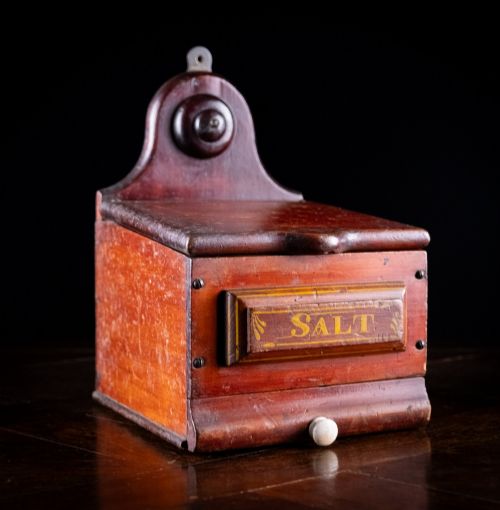
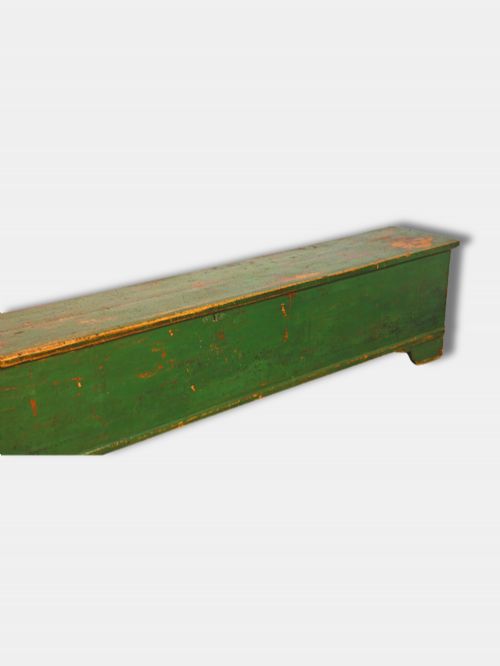
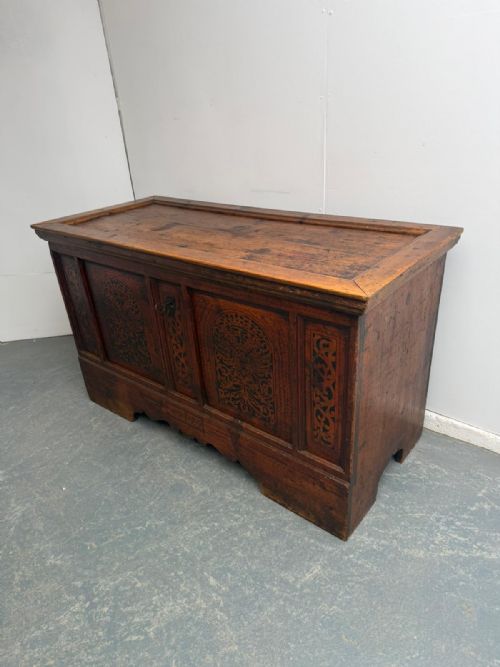
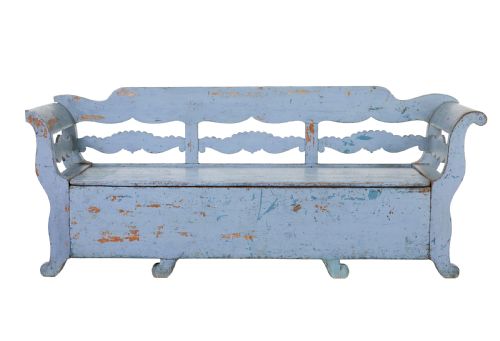
When you search for a large painted wooden box, you encounter substantial storage forms including trunks, chests, coffers, blanket boxes, mule chests, log boxes, and benches from the nineteenth century and earlier. These pieces serve practical household needs while displaying decorative painted surfaces that reflect specific regional traditions.
The versions most commonly met on this page originate from continental Europe and the British Isles, spanning periods from the Georgian and Regency eras through to the late nineteenth century. Common stylistic classifications include Hungarian folk art, Scandinavian country, Dutch country, French provincial, and Victorian country.
Forms vary from simple pine storage trunks to sophisticated pieces like Hungarian marriage chests and Qajar lacquer cashier boxes. Many feature original pigment, scumble finishes, or pokerwork decoration applied to timber.
How they were made
Construction relies primarily on pine and other sturdy woods assembled into box, chest, or bench forms, frequently reinforced with iron or brass hinges, straps, and locks. Carpenters and joiners built these utilitarian objects to withstand heavy daily use in domestic settings.
Surface decoration involves the application of paint, pigment, and lacquer directly to the wood substrate. Artisans utilised folk art motifs, scumble techniques, and in some instances pokerwork or intricate hand-painted designs to adorn the exterior surfaces.
Large Painted Wooden Box Retail Price Guide 2026
Typical asking prices for large painted wooden box among the pieces listed under this phrase on Sellingantiques today, from the lower quarter to the upper quarter. They describe what is for sale here now, not the wider market.
Recorded periods span the Georgian era, the Regency period, the nineteenth century, and specific years such as 1800 and 1890.
What varies in quality
Quality in these pieces rests upon the integrity of the original construction and the survival of the early painted surface. Retaining authentic period pigment without extensive later repainting distinguishes superior examples.
The sophistication of the folk art design, the proportional balance of the chest or bench, and the character of the timber patination determine the distinction between ordinary utility items and exceptional decorative works.
The Large Painted Wooden Box Glossary
- Mule chest
- A storage chest featuring one or more drawers beneath the main compartment. This form bridges the gap between traditional blanket boxes and drawer chests.
- Scumble
- A decorative painting technique involving a translucent layer of glaze or paint manipulated over a lighter base coat. It creates mottled or simulated wood grain effects.
- Pokerwork
- A method of decorating wood by burning designs into the surface with heated metal tools. It produces contrasting dark lines and shading.
- Cofer
- A heavy wooden chest traditionally used for storing valuables or documents. These pieces often feature robust iron hardware.
- Qajar
- Pertaining to the Iranian dynasty spanning the nineteenth century, known for distinct lacquer work and miniature painting traditions. Items from this culture include detailed cashier boxes.
Large Painted Wooden Box: Frequently Asked Questions
What is the difference between a coffer and a chest?
A coffer traditionally denotes a strongbox or chest reinforced for travel or the safekeeping of valuables, often featuring heavy iron bands.
A chest generally refers to a broader category of lidded storage furniture used for household textiles, blankets, or general goods.
How do I care for painted wooden surfaces?
Protect original painted surfaces by keeping pieces away from direct sunlight and fluctuating humidity levels to prevent pigment flaking.
Dust gently with a dry, soft cloth and avoid chemical polishes or modern cleaning agents that strip historic finishes.
Where were these painted boxes made?
Origin locations span various European and Asian regions, including Hungary, Sweden, France, the Netherlands, and Persia.
Local workshop traditions and regional folk art styles dictate the specific colour palettes and decorative motifs found on each piece.