






Large Oriental Charger Plate
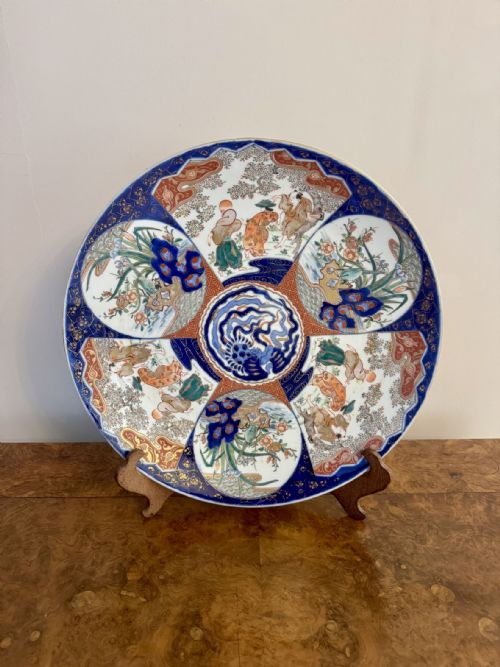
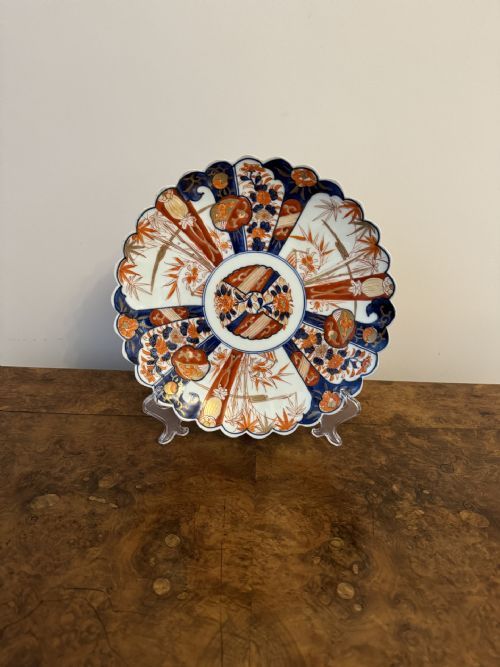
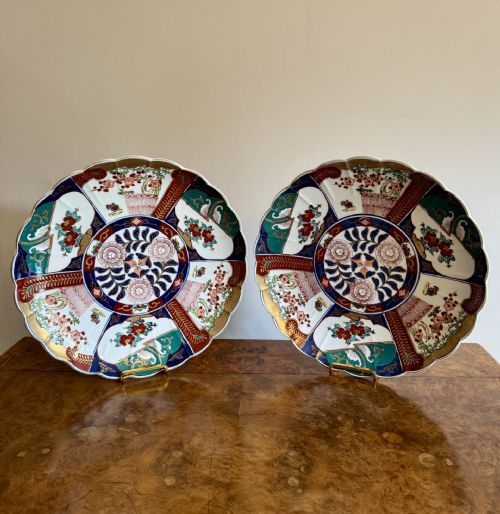
These large oriental charger plate selections bring imposing historical presence to a room, offering broad surfaces of intricate ceramic and enamel work.
Large Oriental Charger Plate
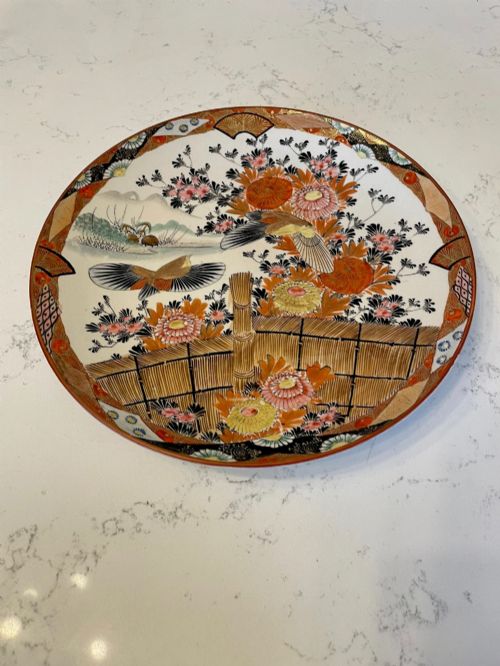
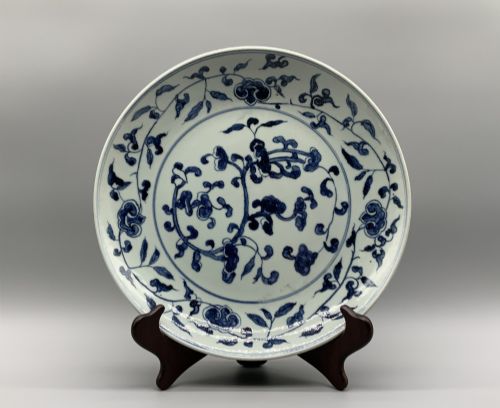
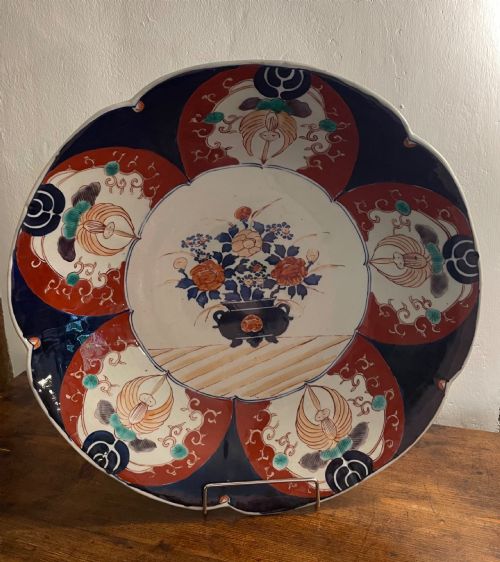
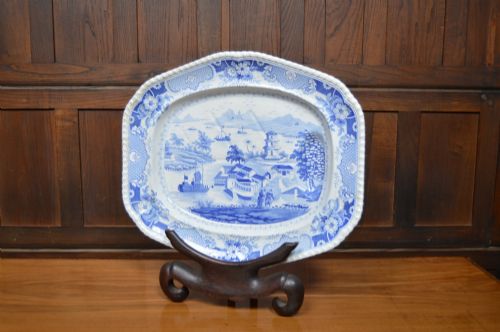
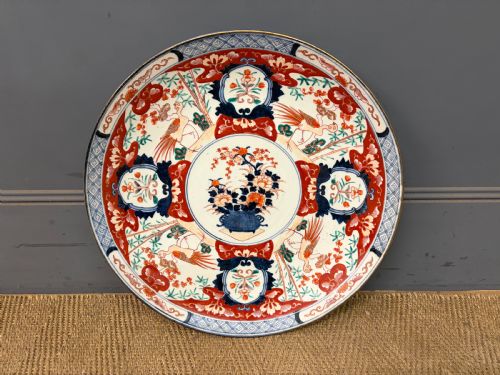
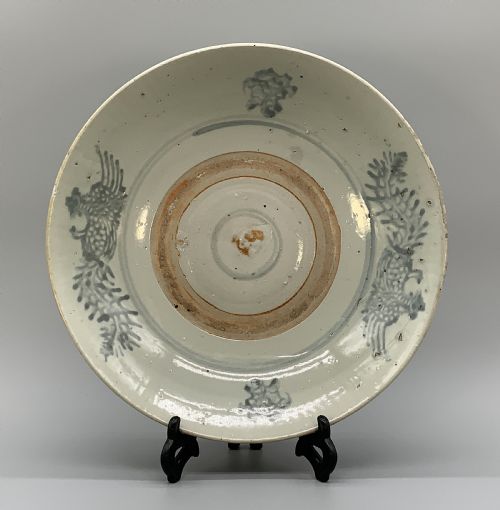
A large oriental charger plate serves as a grand decorative platter or wall dish, dominating a space with traditional East Asian artistry. Buyers seeking a large oriental charger plate encounter diverse historical forms ranging from late nineteenth-century Japanese Imari ware to seventeenth-century Chinese blue and white porcelain.
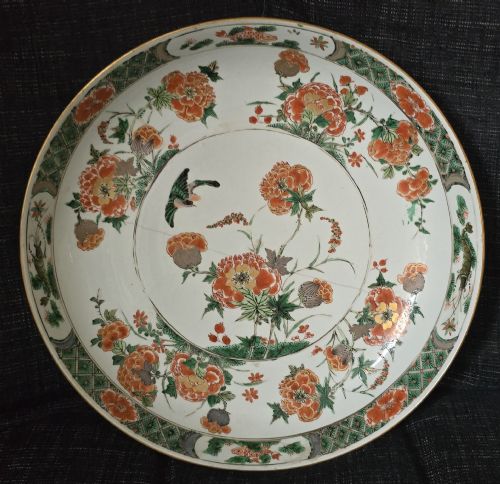
The objects span multiple dynasties and eras, notably the Meiji period and the Kangxi era, encompassing shallow bowls, scalloped plates, and octagonal trays. Most pieces available here derive from Japanese kilns or Chinese imperial traditions, featuring rich motifs of birds, dragons, and court scenes.
How They Were Made
Makers shaped high-fired porcelain bodies, coating them with cobalt glaze, enamel, and gold leaf to achieve vibrant pictorial surfaces. The firing process required precise temperature control to fuse intricate underglaze blue details with subsequent overglaze enamels.
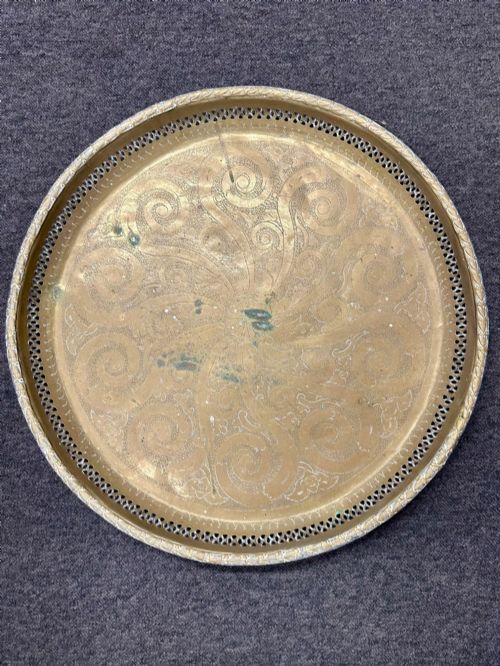
Alternative methods involved hammering copper or brass bases for cloisonne enamel items, where thin wire compartments held coloured glass pastes before firing. Artisans then polished the metal surfaces to reveal crisp geometric and figurative outlines alongside central motifs.
Large Oriental Charger Plate Retail Price Guide 2026
Typical asking prices for large oriental charger plate among the pieces listed under this phrase on Sellingantiques today, from the lower quarter to the upper quarter. They describe what is for sale here now, not the wider market.
Listings span from the 17th Century through the Victorian era, featuring porcelain, copper, and cloisonne enamel forms.
What Varies in Quality
Mastery of brushwork and enamel saturation dictates the distinction between standard production items and exceptional works. Superior pieces display meticulous linework in motifs like koi carp or court figures, whereas lesser examples show rushed detailing and flat pigmentation.
The integrity of the glaze and the precision of the metal wiring in cloisonne trays dictate long-term visual weight. Depth of colour and the harmonious application of gold leaf elevate certain plates into museum-grade categories.
The Large Oriental Charger Plate Glossary
- Imari
- A style of Japanese export porcelain characterised by a palette of underglaze blue, iron red, and gilt highlights. The designs typically incorporate dense floral and brocade patterns across the entire ceramic surface.
- Cloisonne
- A metalwork technique where flat wire is soldered to a brass or copper base to create cells filled with vitreous enamel. These pieces are fired and ground down smooth to produce detailed pictorial scenes.
- Satsuma
- Earthenware pottery originating from Satsuma province featuring a pale, ivory-crackled glaze decorated with polychrome enamels and gold. It gained immense popularity during the Meiji period for elaborate export pieces.
- Swatow Ware
- A general term for sixteenth and seventeenth-century Chinese export ceramics produced in Guangdong province for Southeast Asian and Japanese markets. These dishes often feature robust, spontaneous brushwork in blue and white or red enamels.
Large Oriental Charger Plate: Frequently Asked Questions
How were these large plates displayed historically?
These expansive dishes were frequently mounted on walls using specialised wire hangers or set upright on sideboards to showcase their detailed artistry. Wealthy households utilised them as centrepieces during formal gatherings to demonstrate refined taste and global trade connections.
Today, hanging them securely on a wall remains a popular method of display, keeping the broad decorative surfaces visible while protecting them from everyday wear.
What is the difference between Imari and Satsuma ware?
Imari pieces are made of hard porcelain decorated in deep cobalt blue, iron red, and gold, offering a glossy and durable finish. Satsuma items are typically earthenware with a distinctive cream-coloured crackle glaze, adorned with densely painted figures and landscapes.
Understanding this distinction helps collectors identify the manufacturing origin and the specific period of production for each individual charger plate.
Can these heavy plates be hung safely on walls?
Hanging heavy ceramic or cloisonne items requires robust wall fixings and specialised bracket systems designed to distribute the weight evenly. Spring-loaded brass wire hangers must be carefully fitted to the rim without placing undue stress on the body.
Inspecting the wall anchor and ensuring it attaches directly to a stud or heavy masonry plug prevents accidental slips and safeguards the piece over time.
How do I identify a Kangxi period piece?
Kangxi period chargers display bright, luminous underglaze blue pigments and finely potted porcelain bodies that transmit light near the rim. Markings on the base often include apocryphal reign marks or auspicious symbols rather than straightforward dates.
Consulting expert reference guides on Chinese ceramics helps verify the specific firing characteristics and stylistic nuances associated with seventeenth-century production.