



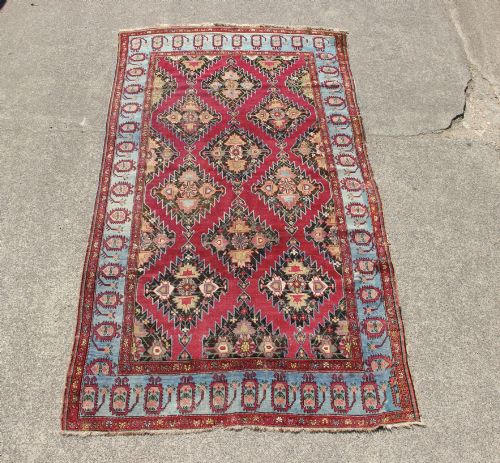
Large Oriental Area Carpet
A large oriental area carpet anchors a spacious room with centuries of regional weaving traditions and room-filling scale.
Large Oriental Area Carpet
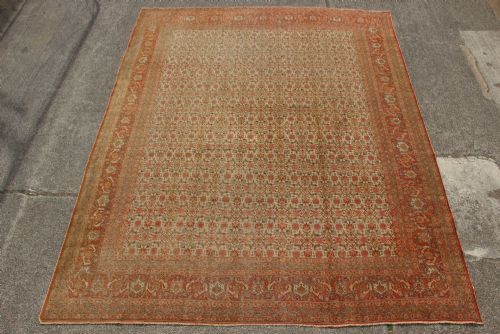
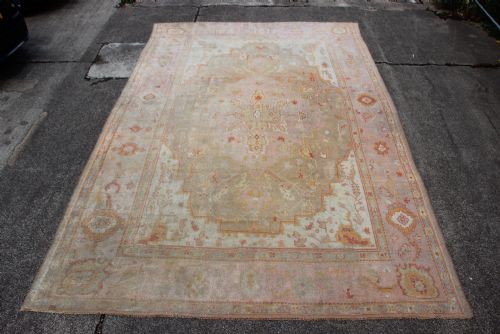
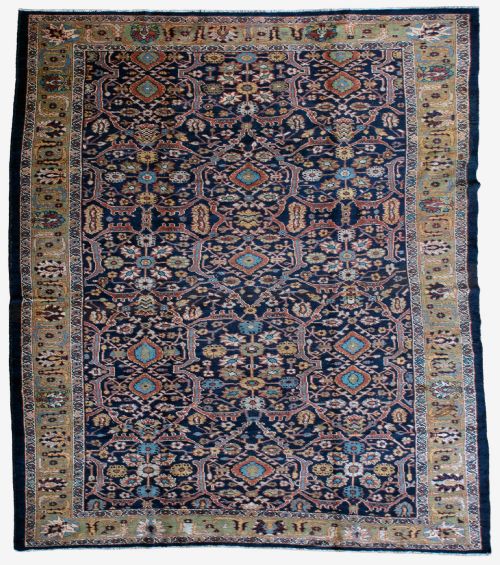
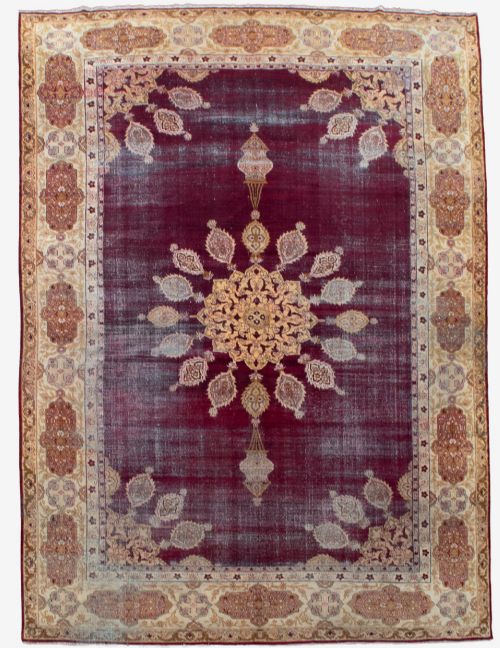
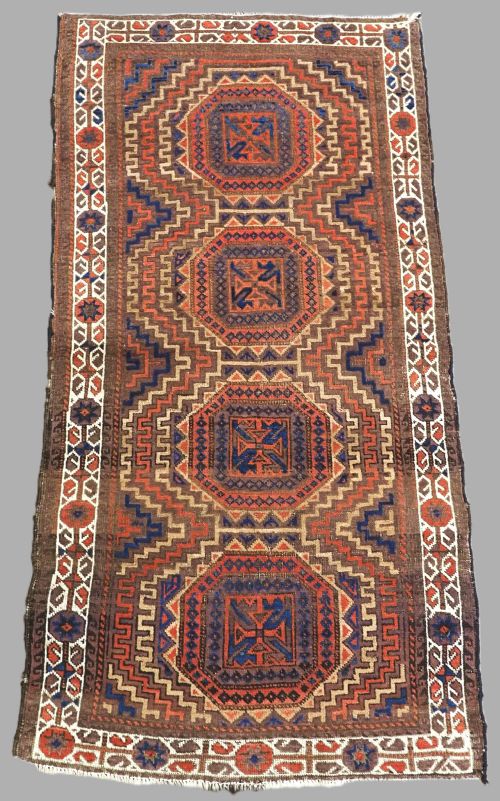
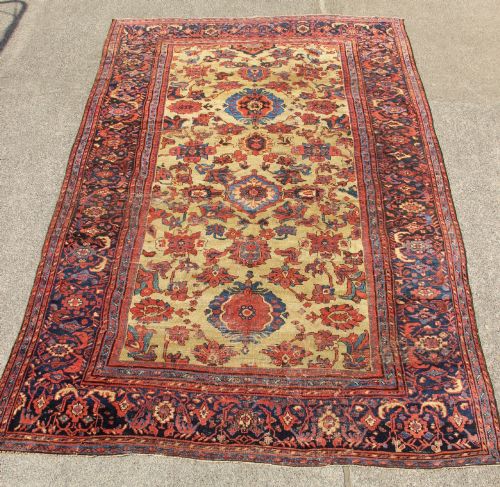
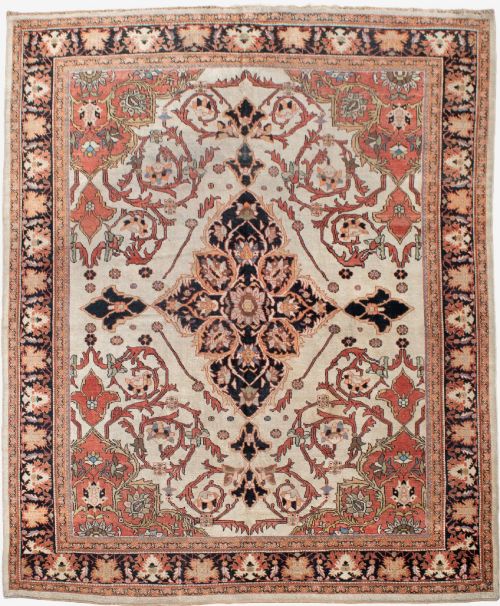
A large oriental area carpet encompasses room-sized floor coverings originating from Persia, Anatolia, Central Asia, India, and China. When searching this phrase, the pieces encountered are room-scale furnishings designed for country houses and formal reception spaces.
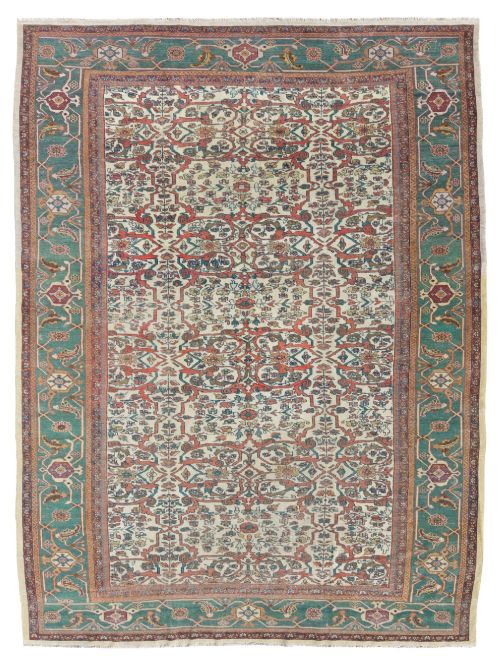
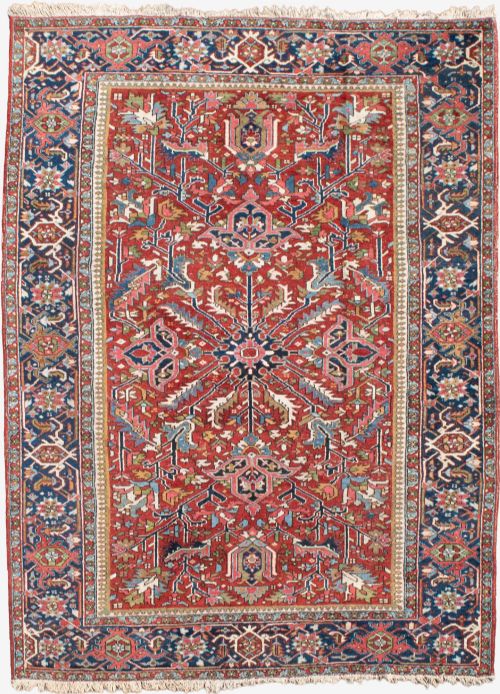
The selections span production centres across the East, including Heriz, Oushak, Mahal, Amritsar, Tabriz, and Kirman. Production dates range from the mid-nineteenth century through the early twentieth century, capturing diverse regional aesthetics.
Forms vary from grand palace carpets exceeding five metres in length to village and tribal weaves carrying distinctive geometric or floral layouts. Wool and cotton form the structural foundation of these substantial room-size floor coverings.
Distinctions in standard
Knot density and structural fineness separate standard village pieces from exceptionally detailed workshop productions. Finer knots permit intricate curves and precise botanical motifs within the design field.
The quality of wool and the depth of the dye palette dictate the longevity and visual resonance of the carpet. Intact original borders and balanced proportions distinguish finer examples from altered formats.
Listings span production dates from 1850 to 1940, featuring wool and cotton materials across Persian, Anatolian, Indian, and Chinese styles.
Haji Jalili Tabriz
The Large Oriental Area Carpet Glossary
- Gul
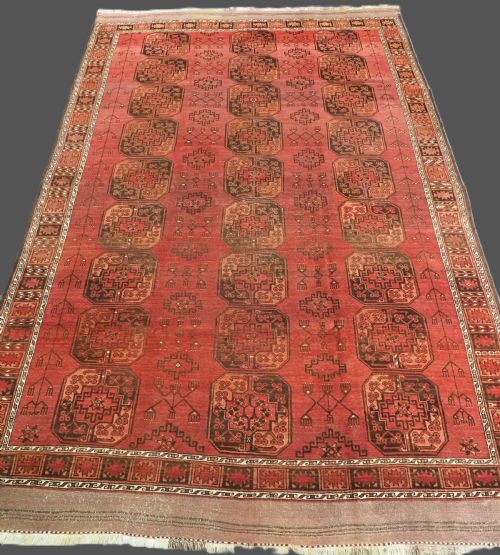
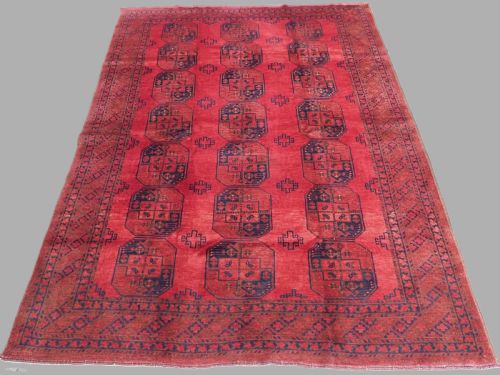
- A repeating medallion or octagonal motif found frequently in tribal and nomadic weaving traditions. This stamp-like emblem often forms the primary repeating pattern across Central Asian carpets.
- Warps
- The vertical threads stretched lengthwise on the loom that carry the tension of the weave. Cotton warps provide stability and structure to the finished carpet.
- Wefts
- The horizontal threads passed across the warps to bind the knots in place. Multiple weft shots can create a rigid, flat-lying foundation.
- Pile
- The upright yarn surface formed by individual knots tied to the warp threads. The height and density of this woolen layer determine the tactile weight of the carpet.
- Medallion
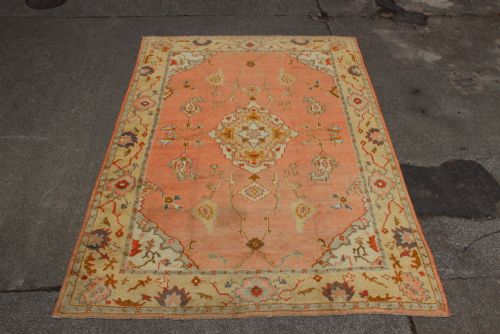
- A large central ornamental design anchored in the middle of the carpet field. This focal point organises the surrounding floral or geometric layout.
Large Oriental Area Carpet: Frequently Asked Questions
How do I date an antique carpet?
Dating relies on stylistic shifts, structural materials, and the specific palette characteristic of nineteenth and early twentieth-century production. Comparing knot structure and regional motifs against documented examples helps narrow the period.
Changes in chemical and natural dye usage over the decades also provide reliable chronological markers for dealers and collectors.
Where were these carpets originally placed?
Large formats were traditionally commissioned for grand country houses, drawing rooms, and formal dining spaces. Their substantial dimensions anchored expansive interiors and provided warmth over wooden floors.
Village and tribal pieces served similar domestic functions within regional households, often woven for daily use rather than formal display.
How should I care for a large wool carpet?
Regular gentle vacuuming without a rotating beater bar prevents dust accumulation within the wool pile. Professional cleaning by specialists in antique textiles ensures the preservation of natural dyes and foundational cotton.
Rotating the carpet periodically balances foot traffic and exposure to natural daylight across the room.
What distinguishes Heriz carpets from other Persian types?
Heriz carpets feature robust geometric medallions, sturdy cotton foundations, and often employ distinctive terracotta and sky blue colourways. Their village construction prioritises durability and bold, architectural design.
In contrast, urban workshop carpets from Tabriz or Kirman display curvilinear floral compositions with greater knot density.