



Large Oil Picture
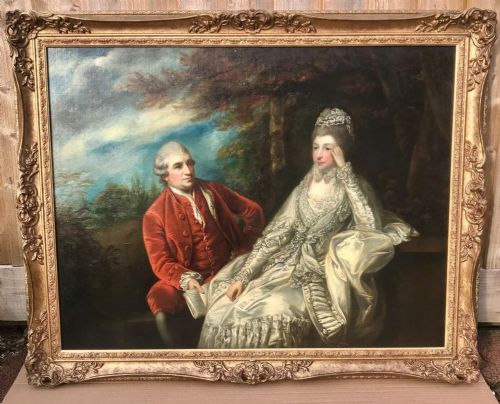
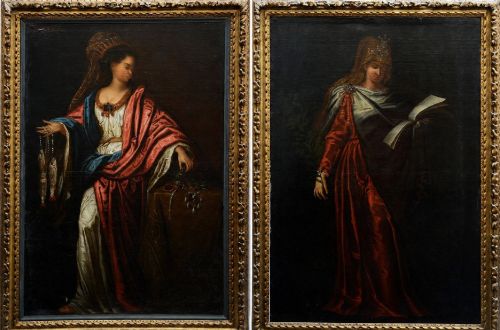
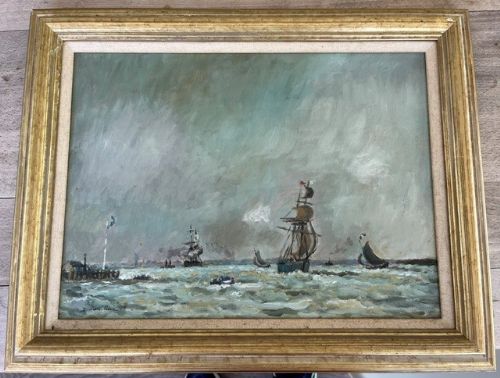
A large oil picture brings substantial canvas work and heavy framing into a room, holding centuries of varied portrait, marine, and landscape traditions.
Large Oil Picture
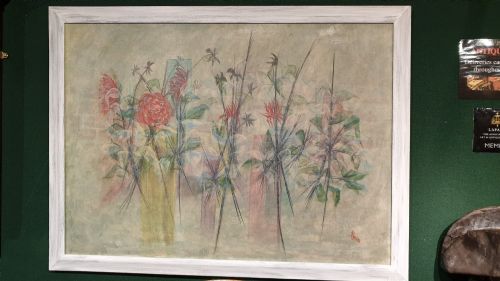
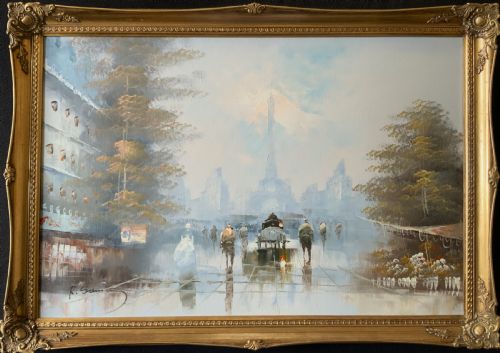
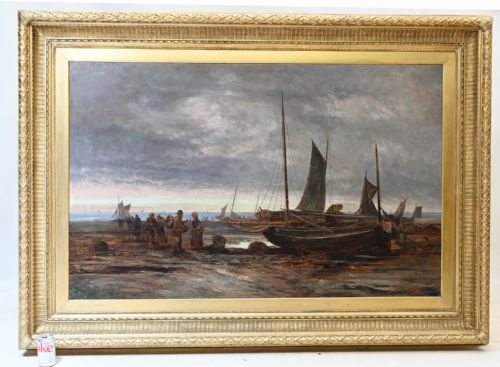
A large oil picture encompasses expansive canvases, boards, and framed works created across the eighteenth, nineteenth, and twentieth centuries. When searching for a large oil picture, collectors encounter diverse subjects ranging from Victorian maritime scenes and pastoral landscapes to mid-century impressionist cityscapes and still lifes.
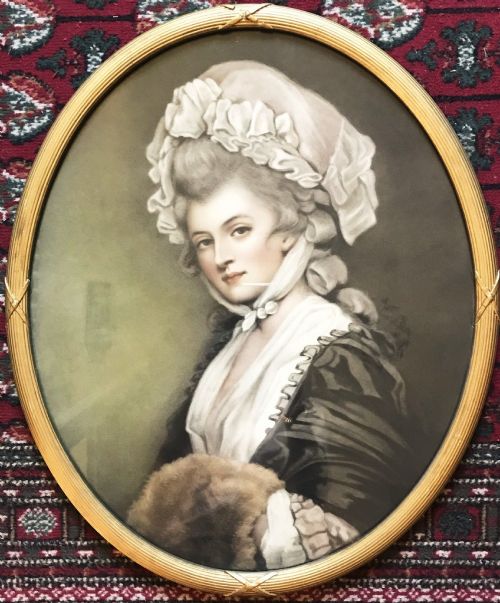
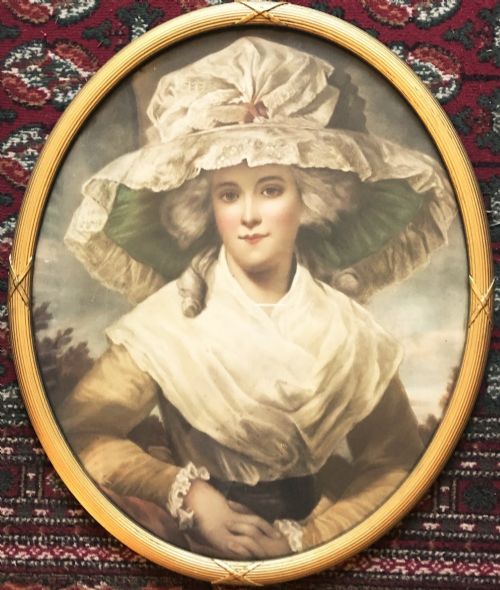
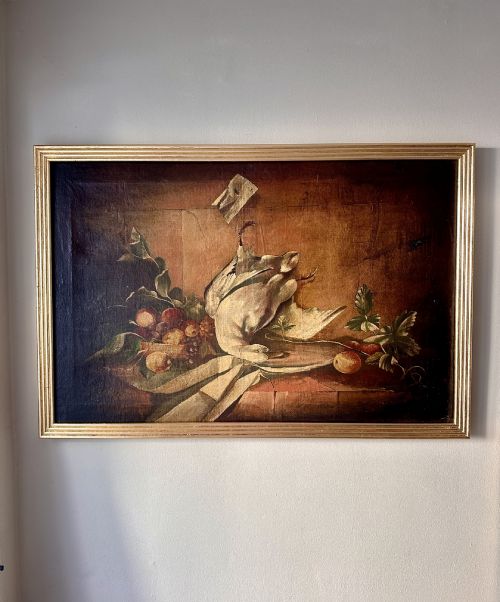
The selection on this page draws heavily from Victorian and nineteenth-century Continental schools, alongside mid-century Belgian and French expressions. Pieces vary from portraits and animal studies to expansive mountain views and coastal harbours executed on canvas or board.
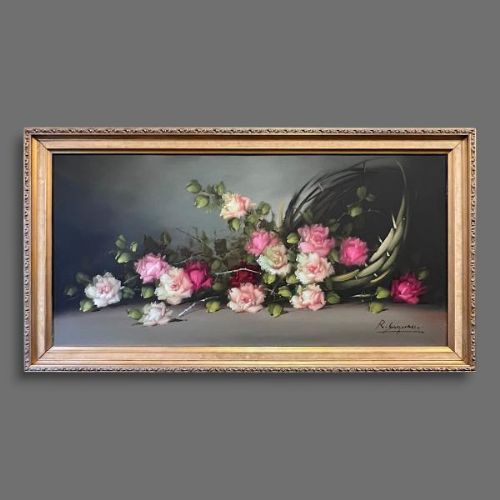
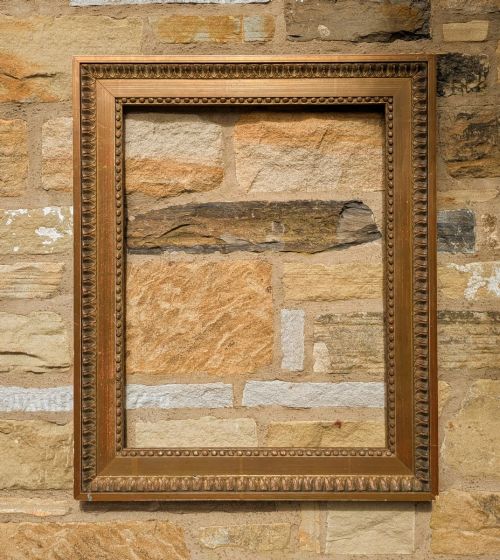
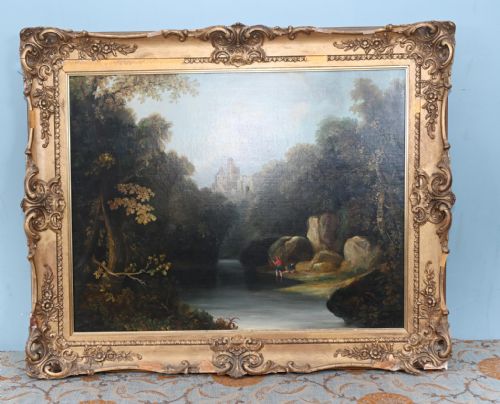
Framing forms a major part of these works, with many listings retaining original giltwood, gesso, and wooden surrounds featuring egg and dart mouldings or rococo ornamentation. These substantial presentations suit traditional country houses and contemporary spaces alike.
Materials and construction
These works rely on oil paint applied to woven canvas or rigid wooden boards, often supported by wooden stretcher frames. Artists built depth through layered pigments, occasionally applying textured paint or working over textured printed bases.
Surrounding the paintings are heavy wooden frames finished with gesso and surface gilding. Mouldings were carved or cast in relief, incorporating ornate details such as beaded edges and swept leaf scrolls.
Several canvases swap pastoral serenity for dramatic encounters with circus lions, tigers, and prize bulldogs.
Assessing quality and presence
Quality in a large oil picture rests upon the confidence of the brushwork and the depth of the composition. Skilled handling of light and perspective distinguishes a compelling landscape or portrait from a stiff academic exercise.
The integrity of the original frame contributes significantly to the overall merit of the piece. Hand-carved or deeply moulded giltwood surrounds that complement the scale and period of the canvas elevate the presentation far above plain replacement mouldings.
Joshua Reynolds·Erich Mercker·Thomas Sidney Cooper·Jean-baptiste Joseph Pater·Landseer·John Wright Oakes·Tom Seymour·Sidney Yates Johnson·George Henry Knight·Thomas Rose Miles·Arthur Charles Dodd·Henri Schouten·Gudrun Sibbons·William Miller Frazer·Benjamin Williams Leader·Herbert James·Charles H Passey·George Stubbs
The Large Oil Picture Glossary
- Giltwood
- Wood that has been coated with a thin layer of gold leaf or gilt paint. This finish provides the bright, reflective borders common on nineteenth-century picture frames.
- Gesso
- A plaster-like mixture applied to wooden frames before gilding. It creates a smooth surface that can be moulded into intricate decorative reliefs.
- Continental School
- A broad designation for artists trained in mainland Europe rather than Britain. It frequently appears on eighteenth and nineteenth-century landscapes and still lifes.
- Impressionism
- A nineteenth and twentieth-century painting style focused on capturing light and atmosphere rather than precise detail. Works in this manner often display visible, rapid brushstrokes.
- Stretcher
- The wooden frame that holds a canvas taut behind a painting. Large works require robust internal bracing to prevent the fabric from sagging over time.
Large Oil Picture: Frequently Asked Questions
How do I hang a heavy oil painting safely?
Large framed canvases require secure fixings screwed directly into wall studs or masonry rather than standard plasterboard hooks. Utilise sturdy picture wire or heavy-duty D-rings rated for the full weight of the wood and glass.
Ensure the hanging height places the centre of the canvas at roughly eye level for comfortable viewing. Professional art installation services are recommended for exceptionally large nineteenth-century frames.
What lighting works best for oil paintings?
Position picture lights to illuminate the canvas evenly without generating excessive heat that could dry out the oil paint. Low-heat LED bulbs prevent thermal stress and reduce ultraviolet fading.
Avoid placing large oil pictures in direct sunlight, as prolonged exposure alters pigments and warps wooden panels. Ambient room light combined with a focused picture light highlights texture effectively.
How can I tell if a frame is original?
Examine the back of the canvas and the joinery of the frame for signs of simultaneous age, such as oxidised iron nails and aged wood shrinkage. Original frames often show matching patination and wear consistent with the canvas.
Look for rabbet marks where the stretcher fits snugly into the moulding without excess clearance. Later replacements usually display mismatched corner joints or modern fixing hardware.