



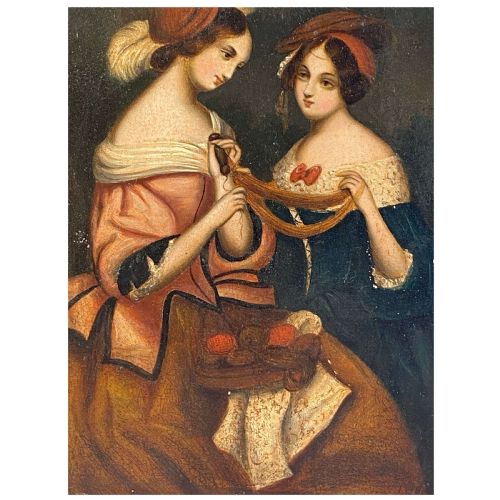
Antique Double Portrait
An antique double portrait captures two subjects within a single frame or object, offering a glimpse into historic human relationships.
Antique Double Portrait
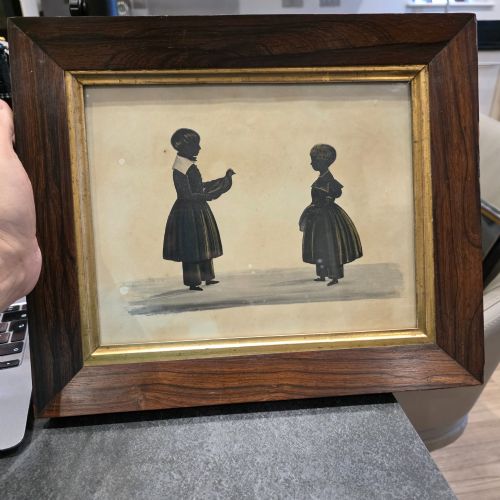
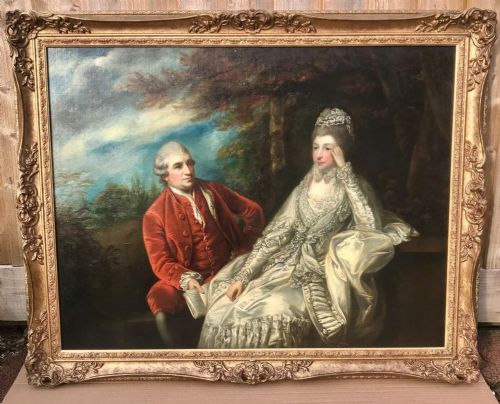
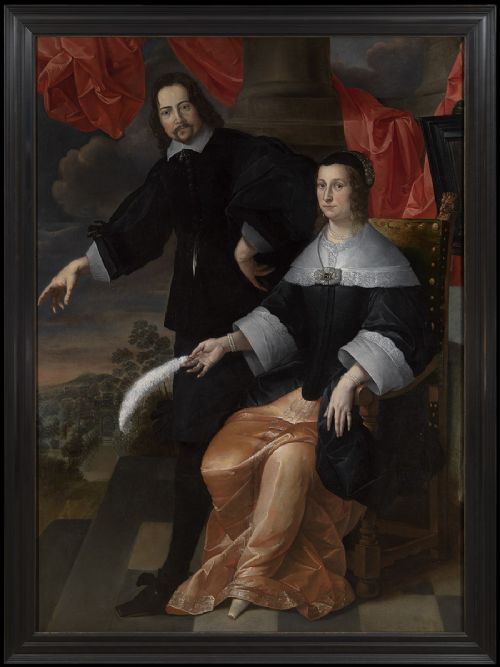
When searching for an antique double portrait, buyers encounter diverse forms ranging from large oil paintings on canvas to intricate lockets, silver photo frames, and framed silhouettes. The selection spans centuries, including works from the seventeenth, eighteenth, and nineteenth centuries.
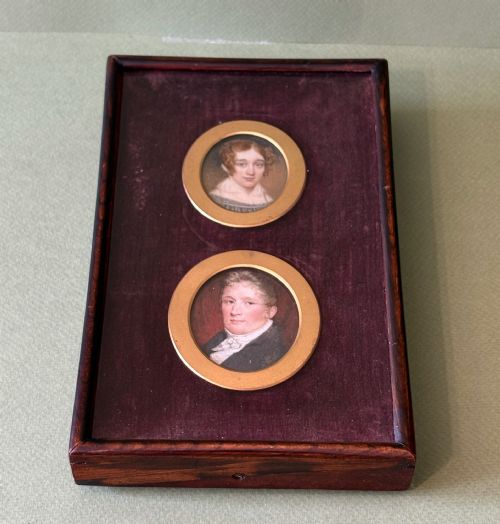
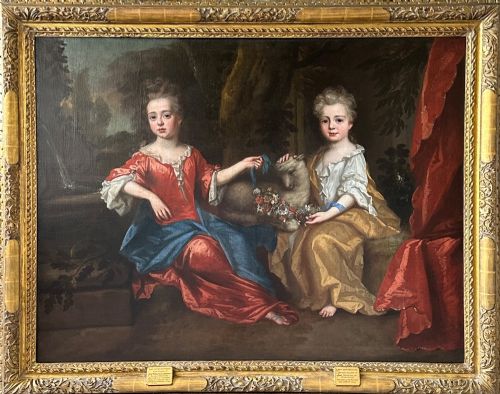
Oil paintings depicting siblings, spouses, or notable figures dominate the older periods, while the Victorian era introduces metal and leather double photograph frames alongside portrait miniatures and cameos.
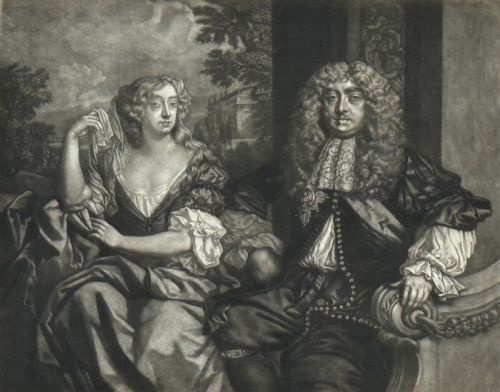
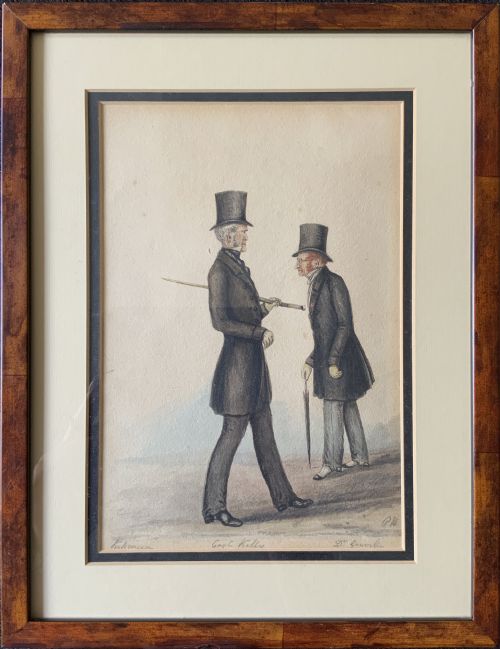
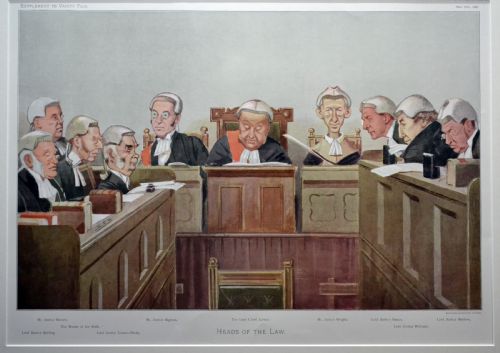
The category also encompasses works on paper, such as nineteenth-century watercolours, engravings, and double-page prints from publications like Vanity Fair.
Materials and techniques
Makers utilised traditional oil on canvas and oil on panel for painted works, often applying pigment by hand to capture likenesses of sitters from the seventeenth century onwards.
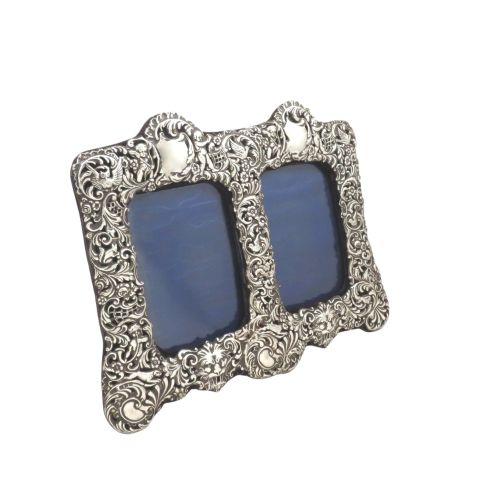
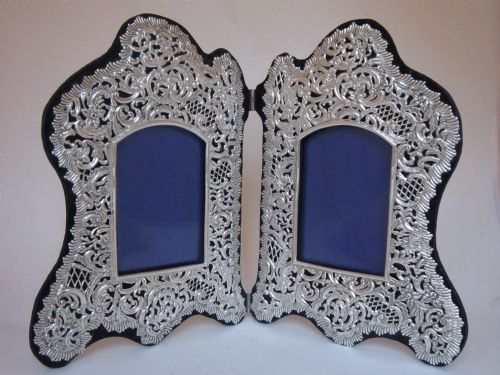
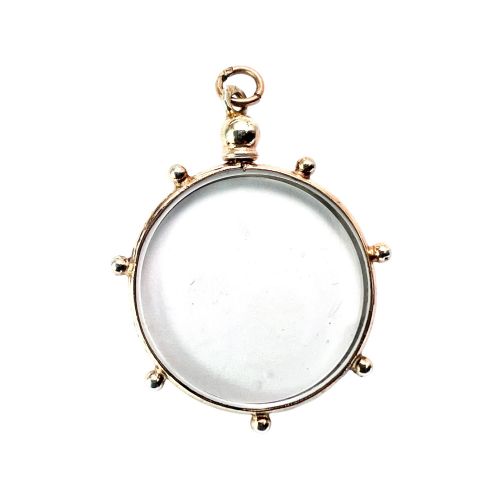
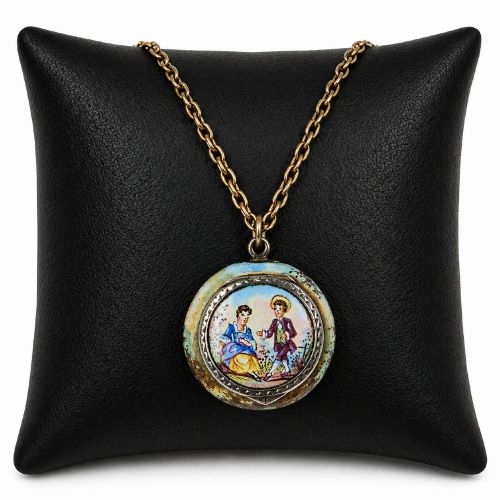
Metalwork frames incorporate sterling silver, silver plating, brass, and ormolu, while personal items utilise gold, glass, enamel, and carved shell for cameos.
Paper works rely on ink, watercolour, and mezzotint engraving techniques, occasionally housed within wood or giltwood picture frames.
Antique Double Portrait Retail Price Guide 2026
Typical asking prices for double portrait among the pieces listed under this phrase on Sellingantiques today, from the lower quarter to the upper quarter. They describe what is for sale here now, not the wider market.
Materials span oil on canvas, sterling silver, brass, ormolu, glass, wood, and paper across the seventeenth to twentieth centuries.
Distinctions in quality
Quality rests upon the skill of the execution, where fine brushwork, accurate anatomical proportions, and expressive facial detailing separate master oil paintings from routine workshop output.
In framed pieces, the weight and casting standard of metals like sterling silver, ormolu, and brass dictate the grade, alongside the preservation of original gilding and glass.
Joshua Reynolds·Peter Lely·James Maubert·Robert Byng·Francis Hayman·Benjamin Marshall·Kershaw Schofield
The Antique Double Portrait Glossary
- Mezzotint
- A printmaking process where the copper plate is roughened to achieve rich tonal gradations in portraits. This technique allows for subtle shifts in light and shade.
- Ormolu
- Gilt bronze mounted onto frames or decorative objects, popular during the nineteenth century. It provides a bright metallic finish that mimics solid gold.
- Cameo
- A gemstone, shell, or coral carved in relief to depict a profile portrait. Multi-layered materials allow the subject to stand out against a contrasting background.
- Miniature portrait
- A small, highly detailed painting executed on vellum, card, or copper. These portable pieces were frequently worn as jewellery or kept in lockets.
Antique Double Portrait: Frequently Asked Questions
What periods do these pieces span?
The inventory covers items from the seventeenth century up through the Edwardian period and the early twentieth century.
Oil paintings and prints tend to represent the earlier centuries, while metal photo frames and lockets frequently date to the Victorian era.
How were double photo frames used?
Victorian and Edwardian households utilised double photo frames on desks, tables, and mantelpieces to display paired photographs of family members.
Folding leather and crocodile travel frames allowed owners to carry pictures of loved ones while away from home.
Are painted double portraits always on canvas?
While oil on canvas is common, artists also utilised wood panels and zinc panels as supports for painted likenesses.
Miniature portraits and silhouettes appeared on paper, card, and glass within dedicated picture frames.