
Framed Wall Painting
When you search for framed wall painting, you uncover centuries of portraits, landscapes and classical scenes preserved behind glass or within carved wooden surrounds.
Framed Wall Painting
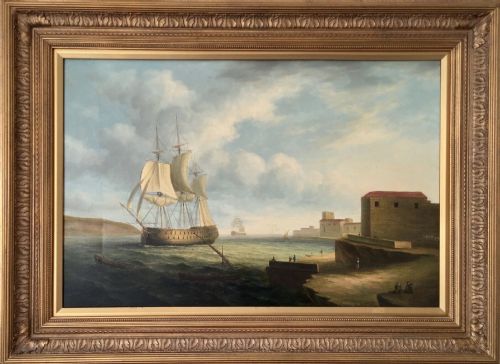
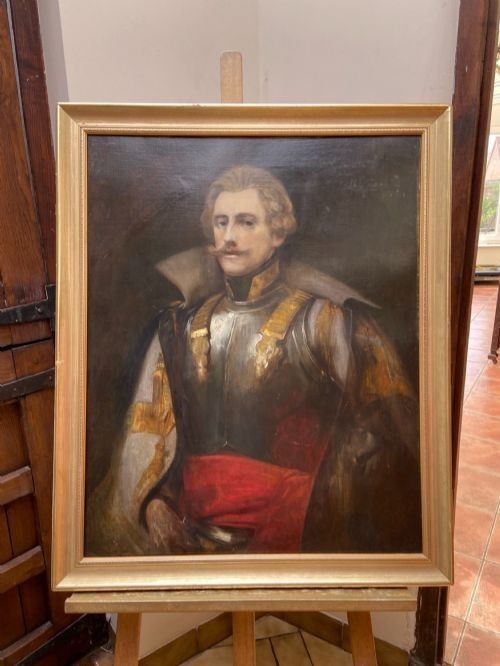
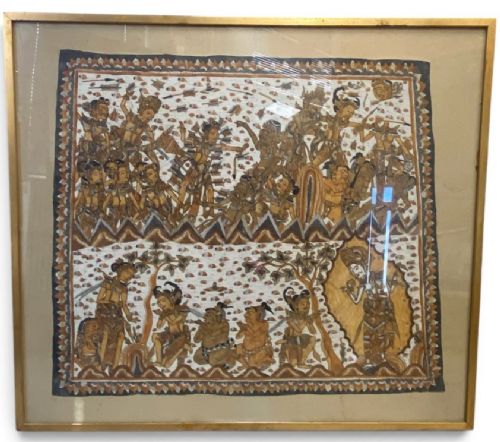
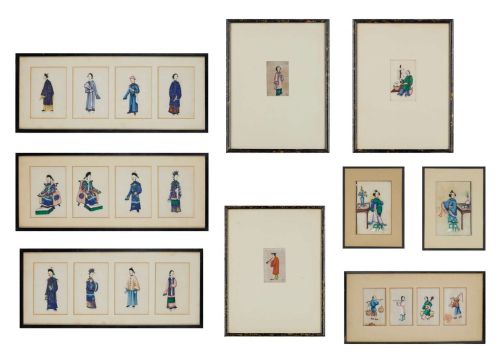
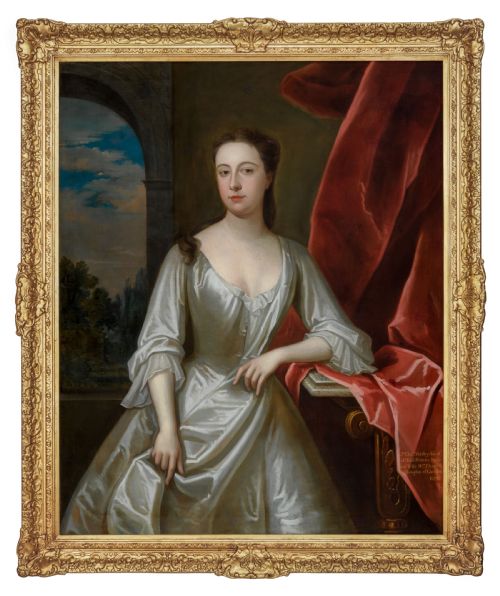
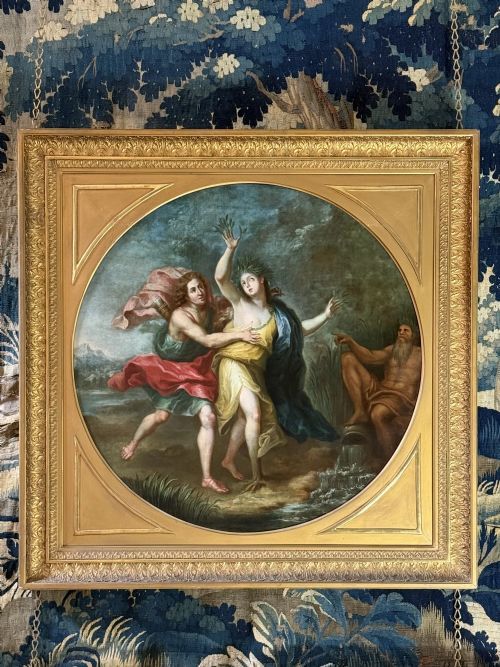
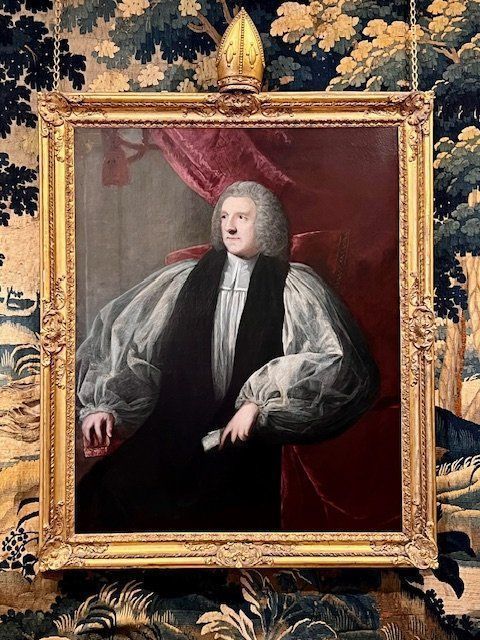
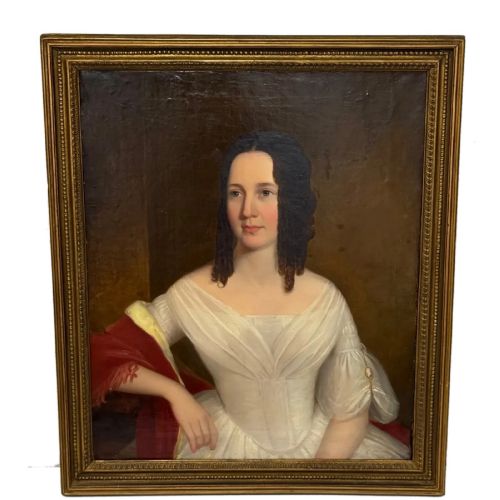
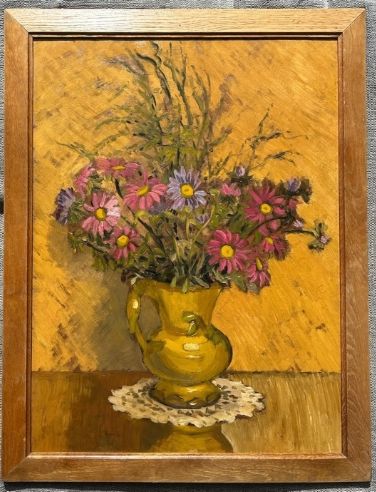
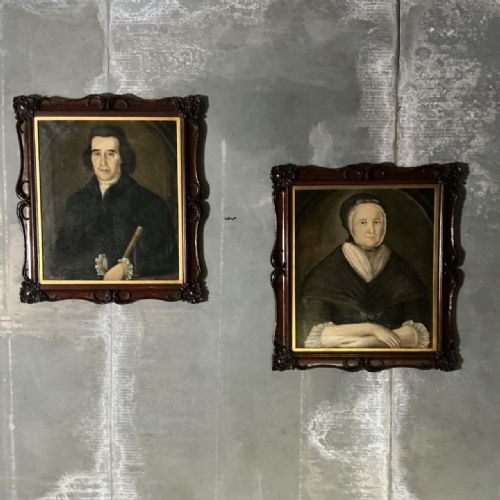
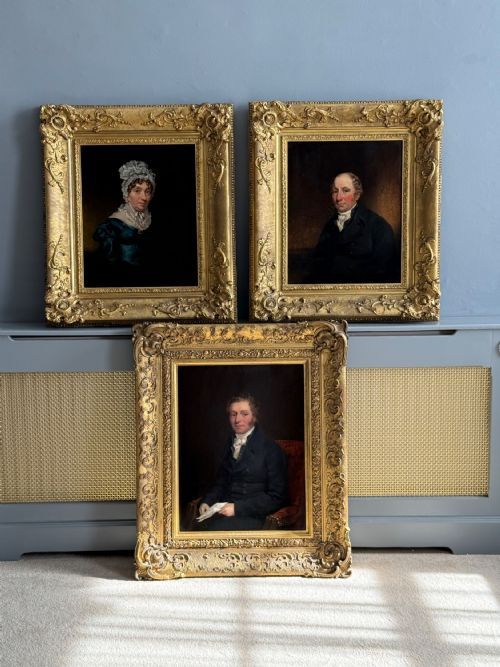
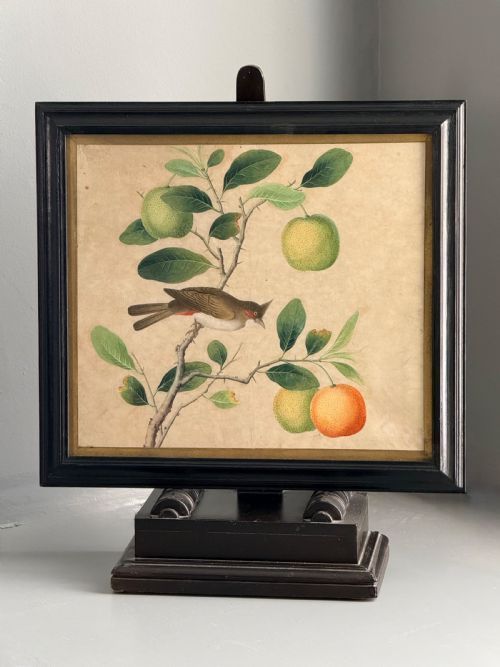
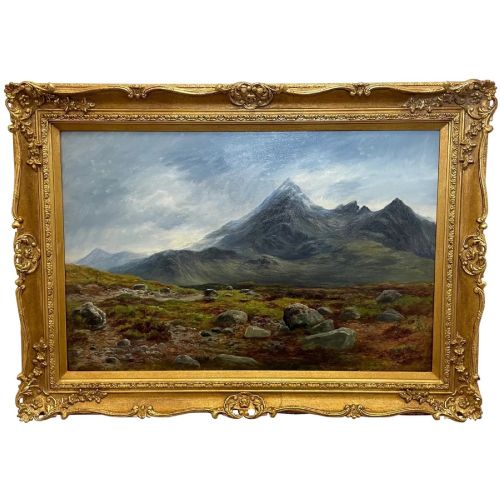
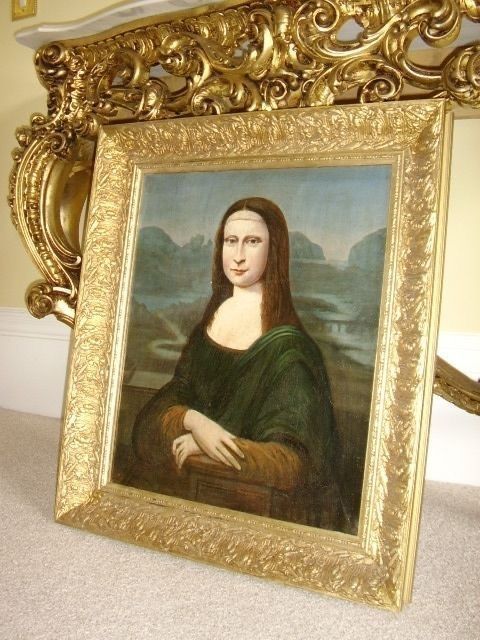
A framed wall painting brings historic portraiture, landscape studies and figurative works directly into an interior, serving as a focal point for domestic display. Buyers seeking a framed wall painting encounter works executed across canvas, wood panels, pith paper and glass.
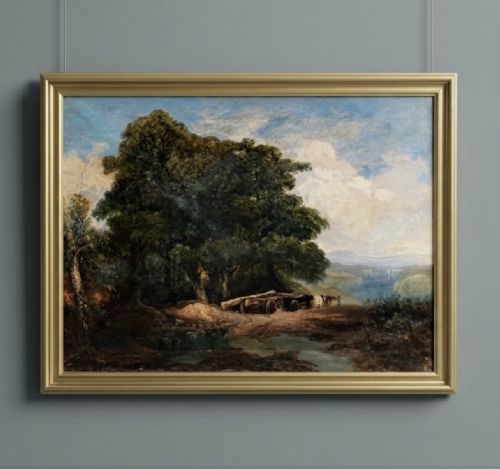
The selection spans centuries of artistic output, ranging from seventeenth-century oil portraits of nobility to nineteenth-century Scottish landscapes and twentieth-century still life compositions. Oil paintings and watercolours dominate the offerings, frequently housed in period giltwood or timber frames.
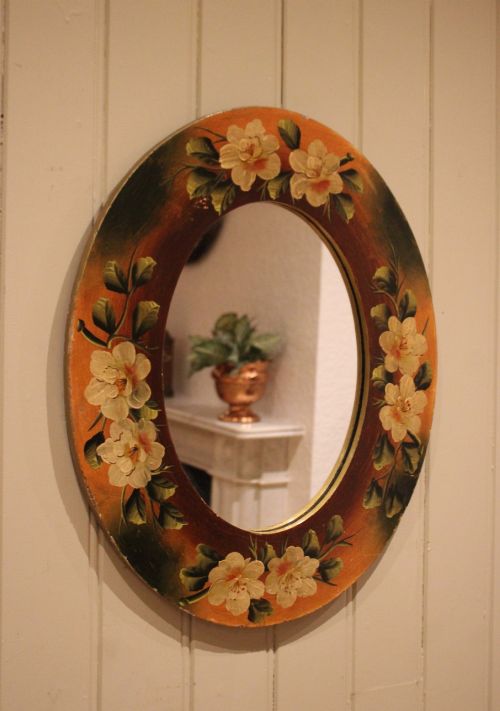
Framed wall paintings also encompass decorative wall mirrors incorporating painted panels, reverse glass mezzotints and delicate portrait miniatures. Each piece reflects the aesthetic priorities of its specific period, from Baroque solemnity to Edwardian watercolour lightness.
How They Were Made
Artists applied oil paint, watercolour, gouache or pastel onto stretched canvas, prepared wood panels, paper and pith using traditional brushes and mixing techniques. Support materials like canvas and wood required careful priming with gesso or size before pigment adherence.
Frames utilise carved wood, often finished with gilding, paint or polished surfaces to protect and complement the artwork within. Specialised techniques such as reverse glass painting involve applying pigments directly onto glass sheets to achieve a luminous finish.
A grey shire horse ploughing a farmer's field captures the quiet dignity of equine labour frozen in mid-stride.
What Varies in Quality
The standard of execution in a framed wall painting depends on the precision of brushwork, anatomical proportion in figures and the depth achieved in landscape perspective. Masterful handling of light and shadow distinguishes ambitious compositions from standard studio output.
The integrity and originality of the surrounding frame heavily influence the overall character of the piece, with period-appropriate or original giltwood mounts commanding greater appreciation. The condition of the pigment layer, preservation of the substrate and minimal historic intervention further separate exemplary works from ordinary examples.
Sir Godfrey Kneller·Sir Joshua Reynolds·Joseph Clover·Sir Peter Lely·John Hayls
The Framed Wall Painting Glossary
- Giltwood
- Wood carved and coated with a thin layer of gold leaf or gold paint. This finish frequently adorns frames from the seventeenth, eighteenth and nineteenth centuries.
- Oil on Canvas
- Pigment bound in an oil medium applied to a woven fabric support. This combination provides durability and allows for rich colour blending.
- Portrait Miniature
- A small, highly detailed painting depicting a specific person. These intimate works were often created on vellum, card or ivory during earlier centuries.
- Reverse Glass Mezzotint
- An image transferred or painted onto the back side of a glass plate and viewed from the front. This technique produces a distinct glossy appearance.
- Pith Paper
- A delicate material derived from the pith of the Tetrapanax papyrifer plant used for watercolours. It absorbs pigments to create velvety, matte tones.
Framed Wall Painting: Frequently Asked Questions
How do I hang a heavy oil painting safely?
Heavy framed works require sturdy wall fixings anchored directly into masonry or wooden studs rather than relying solely on plasterboard. Using two appropriately spaced hanging points distributes the weight evenly and keeps the frame stable.
Professional mirror and picture hangers use D-rings screwed securely into the wooden stretcher or frame backing alongside steel wire rated well above the object's actual weight. Regular inspection of the cord and wall hooks prevents accidental slips.
Can I place these paintings in direct sunlight?
Direct sunlight causes pigments in historic oil paints, watercolours and tinted papers to fade or discolour over time. UV rays also accelerate the degradation of canvas fibres and wooden backing boards.
Positioning works away from south-facing windows or utilising UV-filtering glass helps preserve the original colour balance. Maintaining consistent indoor climate conditions further protects fragile organic materials from warping.
How do I clean an antique frame?
Dust accumulates within the intricate crevices of carved wooden and giltwood frames over the years. Gentle removal using a soft, dry brush prevents particles from embedding into the finish.
Liquid cleaners and abrasive cloths must be avoided, as moisture strips fragile water gilding and historic patination. Professional conservators should address deeper grime or damaged gilding.
What is the difference between canvas and panel paintings?
Canvas paintings utilise a flexible woven textile stretched over a wooden frame, offering slight give and a textured surface for brushstrokes. Wood panel paintings provide a rigid support that remains completely stable over centuries.
Panels were favoured in earlier centuries, particularly within Flemish and British schools, before canvas became the dominant medium. Both supports require stable humidity to prevent warping or cracking of the paint layer.