



Georgian Figure Portrait
A georgian figure portrait captures human likeness through the refined aesthetic of the eighteenth and nineteenth centuries.
Georgian Figure Portrait
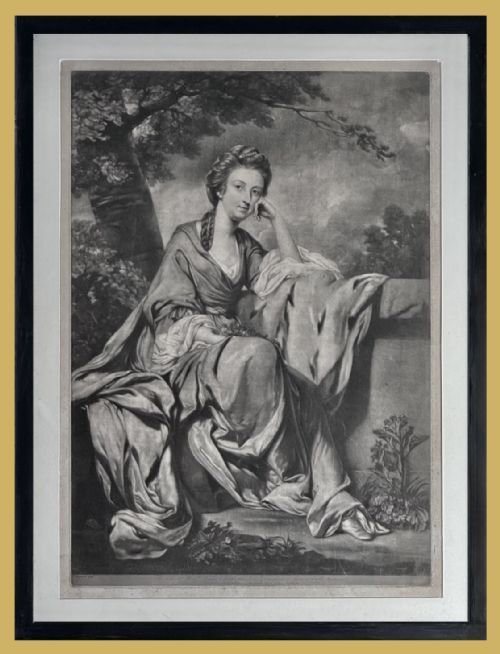
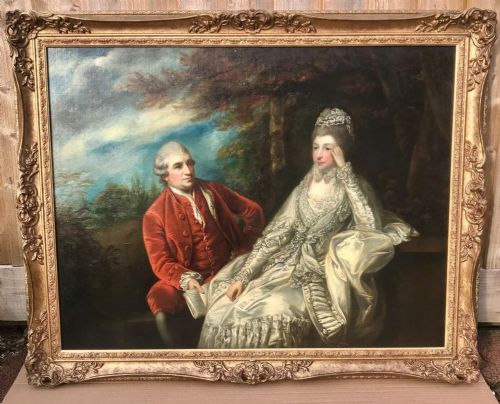
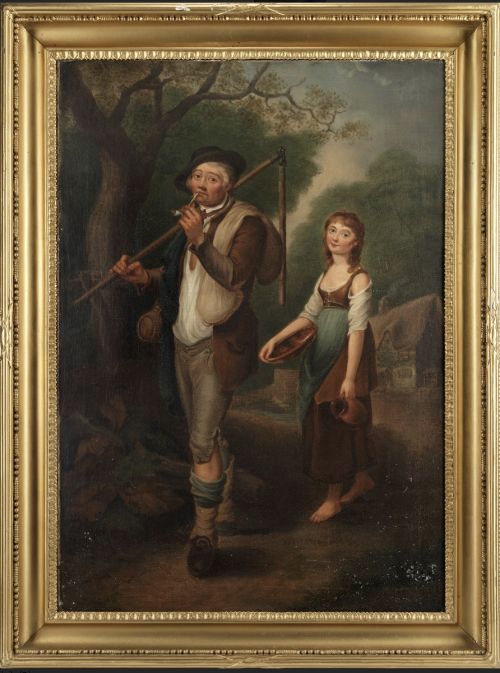
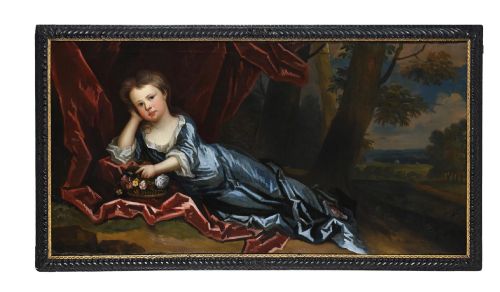
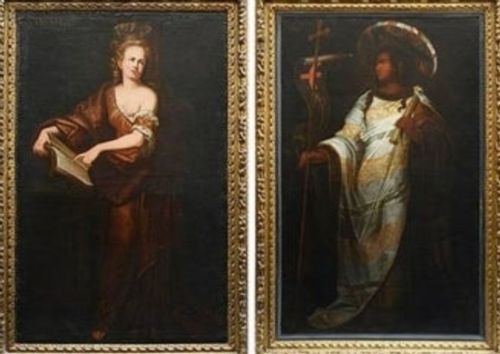
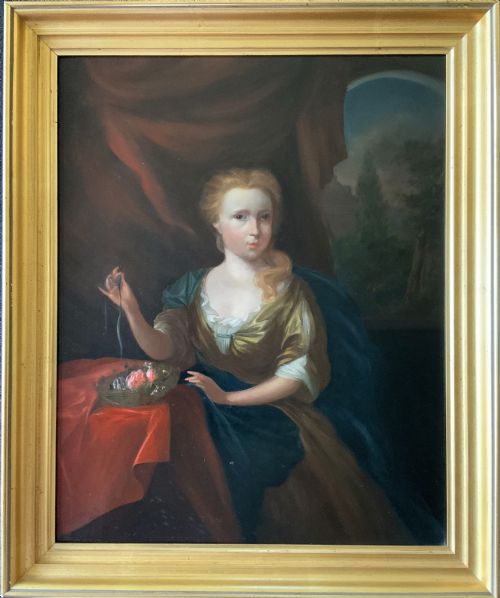
A georgian figure portrait encompasses painted, drawn, and engraved depictions of individuals and groups produced across the eighteenth and nineteenth centuries. These works record the likenesses of royalty, military figures, children, and literary subjects through various artistic interpretations.
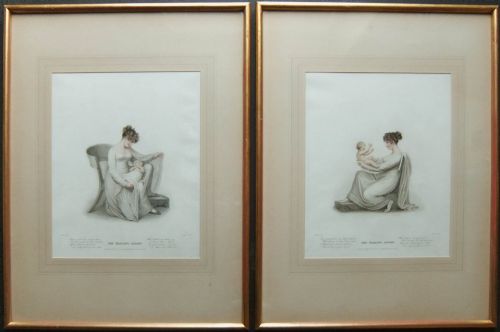
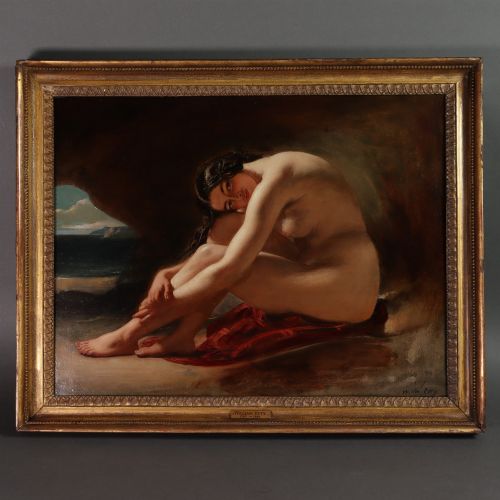
Buyers encountering this selection meet oil on canvas paintings, delicate watercolours, pencil sketches, and detailed mezzotint engravings. These pieces frequently reflect neoclassical and romantic sensibilities associated with Georgian and Regency eras.
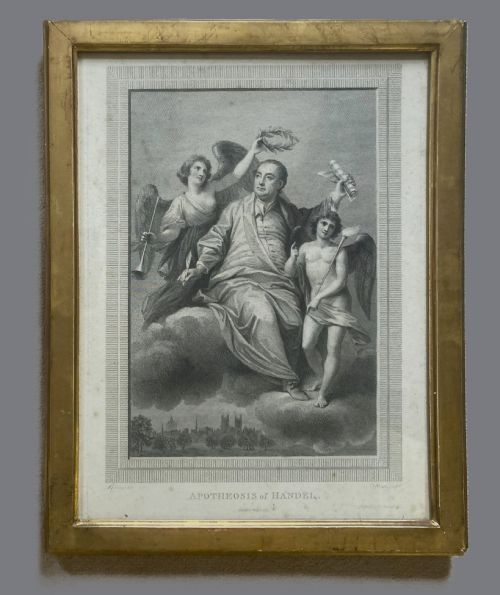
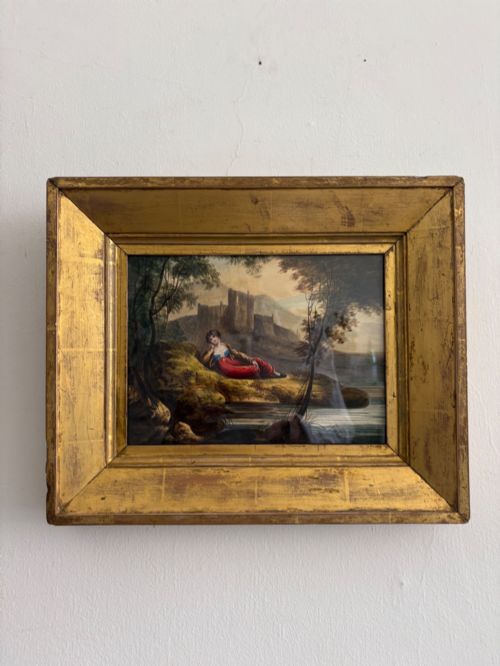
Domestic interiors, pastoral settings, and classical allegories frame the subjects within these artworks. The variety spans intimate miniature drawings to large oil paintings housed in period giltwood frames.
Materials and Techniques
Artists deployed oil on canvas and wood panel alongside watercolour and pastel on paper to capture facial expressions and drapery. Engravers utilised copper plates to produce detailed mezzotint prints after established painters.
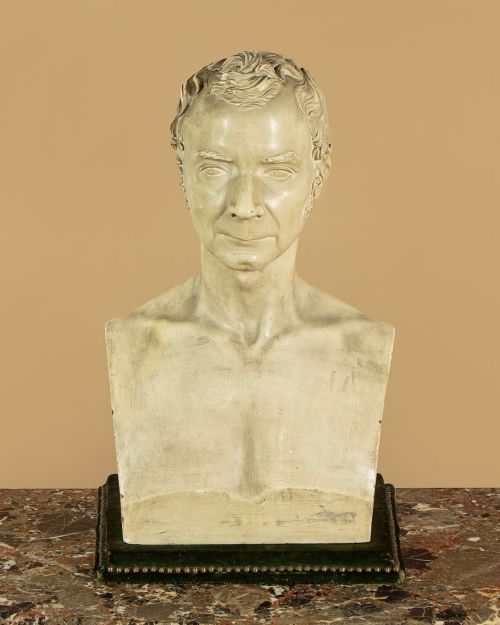
Frames employ carved wood finished with gold leaf or giltwood, complementing the visual weight of the central artwork. Sculptural works utilise cast iron, plaster, and Staffordshire pottery to render three-dimensional busts of notable subjects.
One gentleman's quiet shaving ritual stands permanently interrupted by an unimpressed wife.
Distinctions in Quality
The integration of the artwork with its period frame contributes significantly to the integrity of the piece. Preservation of the original surface, whether unlined canvas or crisp engraving impressions, marks the higher tiers of surviving examples.
Edward Fisher·Sir Joshua Reynolds·Thomas Barker of Bath·James Heath·Charles D'Agar·Adam Buck·John Crewe·William Etty·Albin R Burt·William Tate·Joseph Wright of Derby·John Hoppner·Rolinda Sharples·Frederick Tayler·Ramsay Richard Reinagle·George Richmond·Philip Mercier·Henry Edridge·Sir Nathaniel Dance-Holland·John Verelst
The Georgian Figure Portrait Glossary
- Mezzotint
- A printmaking process of the engraving family where the plate is roughened to achieve tones and rich dark areas. This technique allowed tonal gradation rather than relying solely on lines.
- Giltwood
- Wood that has been coated with gold leaf or gold paint. Frames utilising this finish were designed to reflect candlelight and enhance the perceived depth of paintings.
- Intaglio
- A design carved into the surface of a gemstone or metal ring. These pieces were historically utilised as seals for documents and personal correspondence.
- Pinchbeck
- An alloy of copper and zinc developed to imitate gold. It frequently appears in jewellery and small decorative frames of the period.
- Engraving
- An image incised onto a metal plate using a sharp tool. Impressions pulled from these plates disseminated popular portraits widely before photographic reproduction.
Georgian Figure Portrait: Frequently Asked Questions
What periods do these portraits cover?
The works span the eighteenth and nineteenth centuries, encompassing Georgian, Regency, and early Victorian eras. Styles range from classical eighteenth-century portraiture to romanticism.
Dates align with the reigns and cultural movements spanning from seventeen hundred through the mid-nineteenth century.
How were these artworks displayed historically?
Paintings and engravings hung in domestic interiors, parlours, and libraries of country houses and town residences. They served to record family lineages and political loyalties.
Larger oil canvases occupied prominent wall spaces in giltwood frames, while delicate watercolours and engravings received closer inspection in private rooms.
How do I care for antique portrait paintings?
Keep works away from direct sunlight and fluctuating humidity to protect canvas, paper, and wood panels. Dust frames gently with a dry cloth without touching painted surfaces.
Consult a professional conservator before attempting any cleaning or restoration of oil paint or fragile watercolours.
Can I identify sitters in anonymous portraits?
Identifying unnamed subjects relies on contemporary inscriptions, labels on the reverse, or matching compositional elements to known sitters. Heraldry, costume, and hairstyles offer clues to a subject's social standing and date.
Many portraits of children and local figures remain unrecorded, preserved primarily for their artistic merit rather than historical identity.