



Large Metal Wall Plate
A large metal wall plate brings substantial craftsmanship and historical depth to an interior, offering striking decorative presence through worked brass, copper, and enamel.
Large Metal Wall Plate
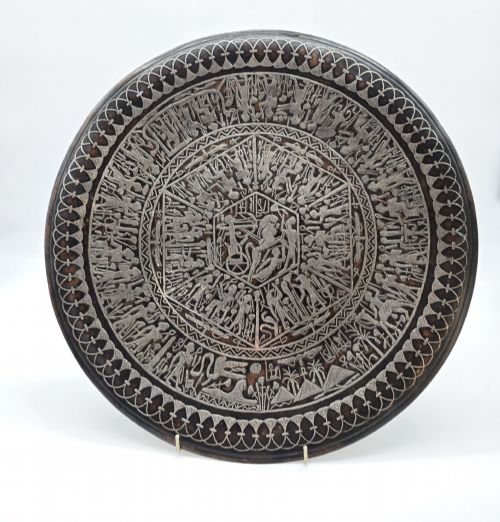
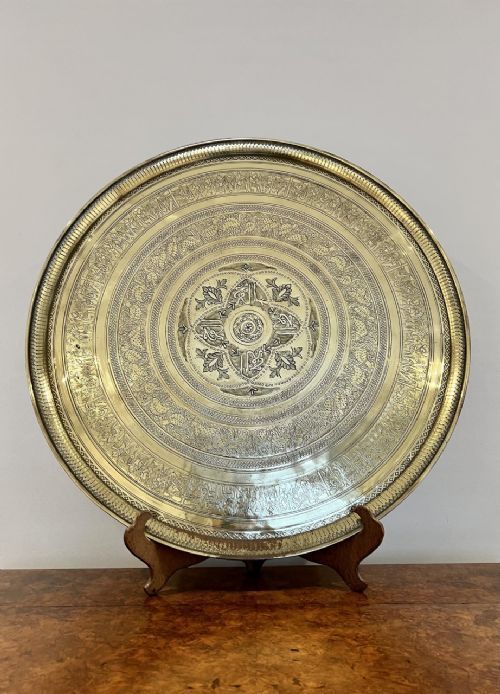
When you search for a large metal wall plate, you encounter expansive decorative chargers, broad-rim platters, and display trays originally fashioned to be hung or set upon sideboards. These items span from the seventeenth-century English pewter chargers to nineteenth-century Japanese cloisonne enamels and Egyptian Cairo Ware.
The version you are most likely to meet on this page is a Japanese cloisonne enamel charger from the late nineteenth century, depicting dragons, birds, or koi, alongside seventeenth-century English pewter broad-rim chargers and Victorian brass repousse work.
How they were made
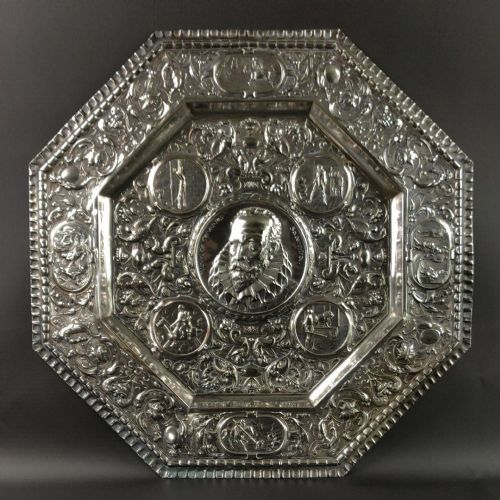
Many of these pieces rely on repousse and chasing techniques, where artisans hammered brass, copper, and pewter from the reverse to raise intricate pictorial motifs like human figures, foliage, and coats of arms.
Japanese examples utilise cloisonne enamel and Totai Shippo, soldering delicate wire partitions onto a metal base before filling the cells with coloured enamel pastes and firing the plate to a high gloss.
Large Metal Wall Plate Retail Price Guide 2026
Typical asking prices for large metal wall plate among the pieces listed under this phrase on Sellingantiques today, from the lower quarter to the upper quarter. They describe what is for sale here now, not the wider market.
A solitary bronze door plate shaped like a Foo Dog keeps quiet watch among the expansive array of wall chargers.
What varies in quality
Quality rests in the precision of the handwork and the ambition of the design, distinguishing mass-produced commercial plates from master-level studio items with meticulous chasing or flawless enamel firing.
The weight of the metal, the crispness of engraved family crests, and the complexity of multi-coloured wirework set exceptional seventeenth-century pewter and Meiji period cloisonne apart from simpler decorative vessels.
Lawrence Dyer·Thomas Powell·Nehemiah Cloudesley
The Large Metal Wall Plate Glossary
- Charger
- A large ornamental or serving plate, typically exceeding thirty centimetres in diameter, designed for display on walls or tables.
- Repousse
- A metalworking technique where the artisan hammers the design from the reverse side to create a raised relief on the front.
- Cloisonne
- An enamelling method utilising thin metal wires soldered to a base to form cells that hold coloured glass pastes before firing.
- Totai Shippo
- A specialised Japanese cloisonne technique where enamel is applied over a textured base, such as simulated tree bark.
- Broad Rim
- A wide, flat outer border characteristic of seventeenth-century English pewter plates and chargers.
Large Metal Wall Plate: Frequently Asked Questions
How do I hang a heavy metal wall plate?
Most large chargers require a robust, coated spring-wire hanger that grips the rim securely without scratching the metal surface.
Ensure the wall fixing engages a solid stud or uses an appropriate wall anchor to support the substantial weight of bronze, pewter, or copper pieces.
How do I clean antique brass and copper?
Dust gently with a dry, soft cloth to preserve the natural oxidation and historical patina accumulated over the centuries.
Avoid abrasive chemical polishes that strip away the aged surface character and diminish the value of repousse details.
What is the difference between a charger and a plate?
Chargers are significantly larger in diameter, generally measuring well over thirty centimetres, and served primarily ceremonial, decorative, or grand dining purposes.
Standard plates were produced for everyday functional use at the table rather than prominent wall display.
How do I date a seventeenth-century pewter charger?
Look for broad rims, triple reeded moulding, and maker hallmarks or touchmarks struck directly into the metal surface.
Comparative analysis of ownership crests, touchmark registers, and hammer marks helps narrow the decade of production.