






Large Metal Platter
These large metal platter examples span centuries of decorative metalwork, offering substantial wall display pieces and serving vessels formed from copper, brass, pewter, and silver plate.
Large Metal Platter
A large metal platter encompasses substantial circular chargers, decorative trays, and wall plates originating from the seventeenth century through to the Edwardian period. Buyers searching for a large metal platter encounter diverse regional traditions, including Japanese cloisonne enamel, Arts and Crafts beaten copper, and heavy Georgian and seventeenth-century pewter chargers.
The objects served varied historical functions, operating as formal dining accessories, presentation pieces, and elaborate wall chargers intended for display. Many examples originate from Japanese Meiji and Edo periods, alongside British Arts and Crafts workshops and Middle Eastern Cairo Ware production centres.
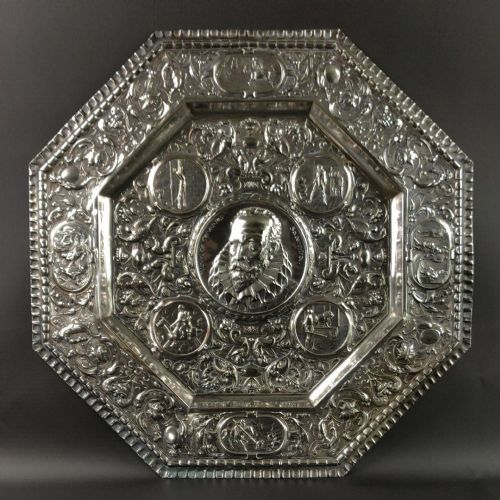
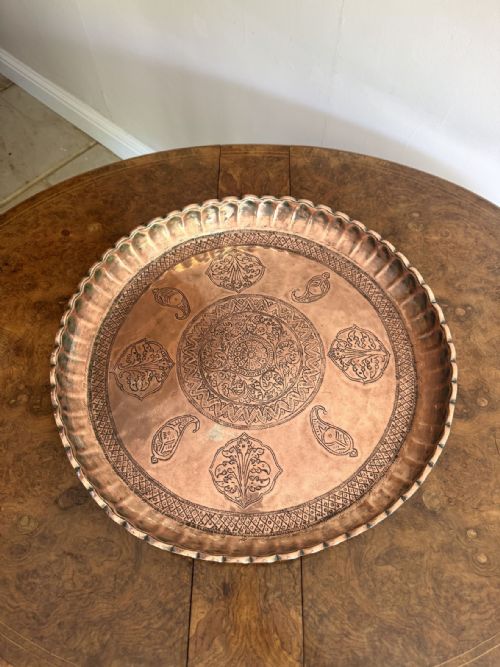
Most pieces met on this page demonstrate significant surface decoration, utilising techniques such as repousse hammering, hand engraving, and intricate wire cloisonne work. The physical scale of these items commands attention in an interior setting, functioning as focal points within traditional or contemporary spaces.
Materials and construction methods
Makers formed the body of a large metal platter using base metals like copper, brass, and pewter, alongside plated surfaces such as silver plate and electroplated nickel silver. Workshops applied hammering techniques to raise the metal from flat sheets, creating deep rims and substantial central wells suitable for repousse relief work.
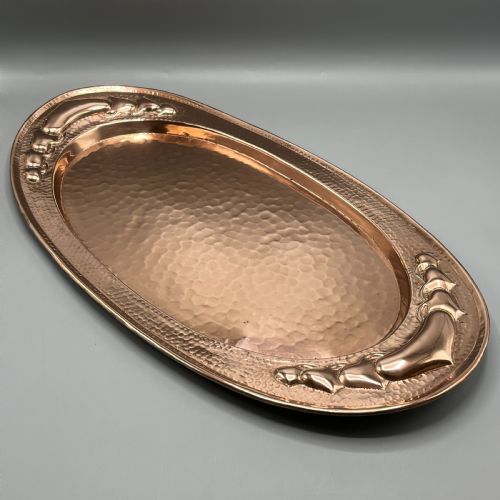
Enamelling techniques defined Japanese production, where artisans laid fine copper wire cells onto metal bases before filling them with coloured glass paste and firing the piece. British Arts and Crafts metalworkers relied on manual beating and chasing, leaving visible tool marks that emphasised the handmade nature of each copper or pewter charger.
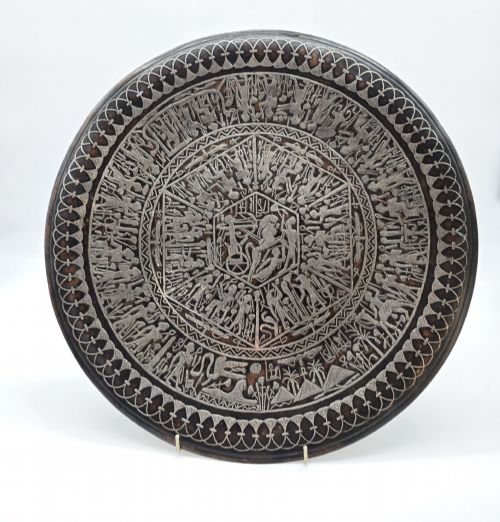
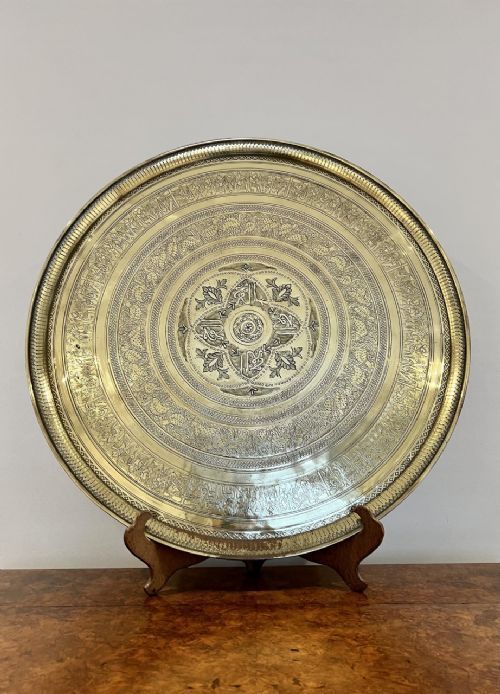
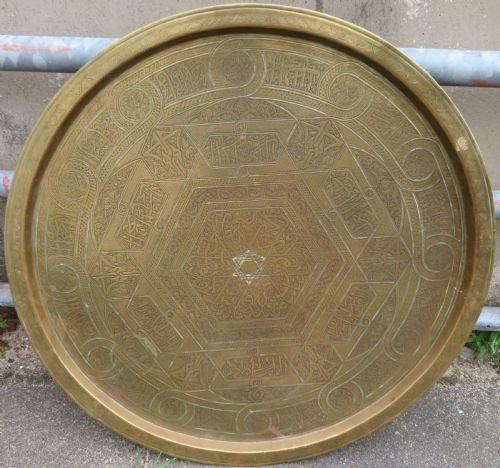
Engraved ornamentation involved incising detailed patterns directly into brass, copper, and mixed metal surfaces using sharp gravers. Cairo Ware and Anglo-Indian items frequently combined brass and copper inlay to achieve contrasting metallic tones across the expanse of the tray.
Large Metal Platter Retail Price Guide 2026
Typical asking prices for large metal platter among the pieces listed under this phrase on Sellingantiques today, from the lower quarter to the upper quarter. They describe what is for sale here now, not the wider market.
Japanese Meiji and Edo period items on this site showcase intricate cloisonne enamel work depicting natural subjects such as owls, dragons, and Mount Fuji.
Separating standard items from exceptional examples
The depth and crispness of the hand-worked relief ornamentation dictate the visual impact of a large metal platter. Superior examples display sharply defined repousse work, intricate chasing, and precise control over enamel cells without pitting or surface distortion.
The weight of the metal and the integrity of the construction separate everyday utility items from masterwork presentation pieces. Heavier gauge copper, substantial pewter casting, and complex mixed metal applications indicate superior material investment by the original maker.
Artistic ambition within the design elevates certain pieces above standard production, particularly in Japanese cloisonne depicting complex naturalistic subjects like dragons, koi, and birds with subtle colour gradations. The complexity of the compositional layout and the harmony of mixed metal tones determine the aesthetic standing of the object.
Hugh Wallis·Thomas Alderson·Hukin & Heath·Thomas Templeman·Peters Hamburg
The Large Metal Platter Glossary
- Charger
- A large ornamental or service plate, typically exceeding standard dinner plate dimensions, used historically for formal dining or wall display. These substantial vessels form a significant portion of available metalware.
- Repousse
- A metalworking technique where the artisan hammers the material from the reverse side to form a raised design in relief on the front. This method creates the tactile surface texture found on many copper and brass items.
- Cloisonne
- An ancient decorative art where artists apply thin metal wires to a metal base to create compartments, which are then filled with enamel and fired. Japanese examples from the nineteenth century utilise this technique extensively.
- Cairo Ware
- Late nineteenth and early twentieth-century metalwork originating from Egypt, characterised by brass and copper bodies inlaid with silver and calligraphic or geometric motifs. These decorative trays reflect revivalist Middle Eastern aesthetics.
- Mixed Metal
- An artistic approach combining contrasting metallic elements such as copper, brass, and silver alloys within a single composition. This technique creates varied colour tones across the surface of the tray.
Large Metal Platter: Frequently Asked Questions
How do I hang a large metal platter on the wall?
Wall display requires a specialised spring-loaded plate hanger sized appropriately for the diameter and weight of the specific charger. Ensure the wall fixing secures directly into a stud or utilises a heavy-duty wall plug to safely support the metal vessel.
Position the piece at eye level to fully appreciate the surface detail, repousse work, or enamel craftsmanship. Avoid placing heavy copper or brass chargers in locations prone to excessive moisture or direct heat sources.
What is the difference between a tray and a charger?
A charger traditionally functions as a large decorative base plate or formal display piece, featuring a wide rim and a distinct well. Platters and trays often include handles or flat bases designed primarily for carrying items or serving food.
Many antique metal items categorized under this search phrase bridge both definitions, serving equally as portable serving vessels and permanent wall decorations. The presence of broad rims and decorative central motifs usually points towards charger classification.
How should I clean an antique metal platter?
Dusting with a soft, dry cloth removes surface debris without disturbing the aged patina accumulated over decades. Avoid harsh chemical polishes that strip away historical character and damage delicate copper, brass, or silver-plated surfaces.
Enamelled pieces require particular care, needing only gentle wiping with a damp cloth rather than abrasive cleaning agents. Preserving the natural tone of antique metal ensures the long-term stability and visual appeal of the object.
How can I date a metal platter?
Dating relies on examining manufacturing techniques, maker marks, material composition, and stylistic motifs associated with specific periods like the Arts and Crafts movement or Japanese Meiji era. Hand-beaten copper and explicit workshop signatures often point toward the late nineteenth century.
Earlier pieces from the seventeenth and eighteenth centuries, such as pewter chargers, feature distinct touchmarks and simpler, heavier rims. Comparing the construction methods against documented historical examples provides a reliable chronological framework.