


Large Leather Chesterfield
A large leather chesterfield is the ultimate anchor for a room, bringing deep buttoning and rich hides that age with immense character.
Large Leather Chesterfield
When you search for a large leather chesterfield, you encounter substantial seating options designed for comfort and presence. These pieces range from expansive three-seater sofas to deep library stools and library armchairs.
You are most likely to meet Victorian and Edwardian examples on this page, often featuring buttoned red or green hide upholstery. Many of these items originate from English country houses where robust timber frames and generous proportions were paramount.
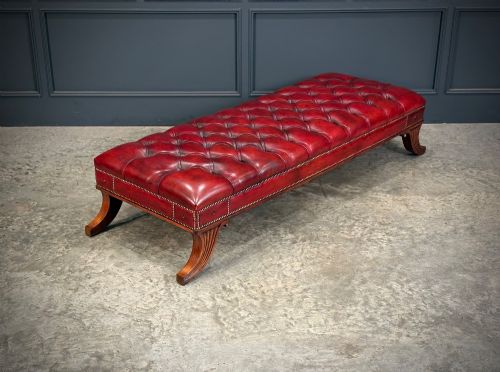
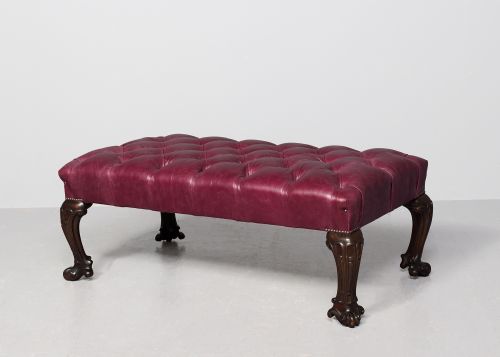
The selection also includes footstools and ottomans built on mahogany, walnut, or oak structures. These forms demonstrate the versatility of the style across different seating arrangements.
How they were made
Upholstery involves fitting leather hides, sometimes accented with brass detailing. Deep buttoning techniques secure the leather firmly to the padding, creating the characteristic tufted surface.
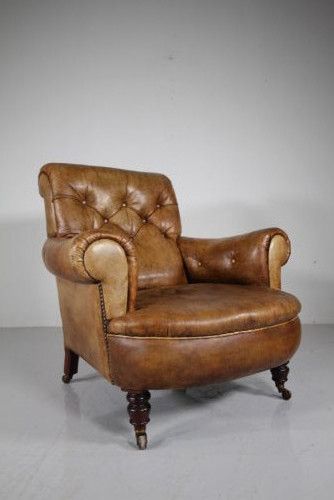
Finishing methods include hand-dyeing the leather or preserving raw leather surfaces. Artisans shaped red, green, brown, and tan hides to achieve the desired depth of colour.
Listings feature pieces spanning the 18th, 19th, and 20th centuries, utilising materials like mahogany, walnut, oak, brass, and leather.
What varies in quality
Quality rests significantly in the integrity of the timber frame and the depth of the buttoning work. Superior pieces exhibit tight, even tufting that maintains tension across the entire hide without sagging.
The grade and treatment of the leather dictate much of the enduring appeal. Hand-dyed hides that retain natural patination and suppleness outclass heavily corrected surfaces.
Proportion and scale separate standard iterations from exceptional examples. Pieces with balanced frames and harmonious lines command greater presence in a room.
The Large Leather Chesterfield Glossary
- Chesterfield
- A style of upholstered sofa or seating characterised by deep buttoning and rolled arms of the same height as the back. This iconic form has defined British interiors for generations.
- Hide
- The natural skin of an animal, dressed and tanned for upholstery. These sturdy animal skins provide the durable exterior typical of antique seating.
- Buttoned
- A upholstery method where twine is pulled through padding and secured with buttons to create a diamond pattern. This technique ensures the internal filling stays evenly distributed.
- Ottoman
- A low upholstered seat or footstool without a back or arms. These versatile items often double as coffee tables in traditional settings.
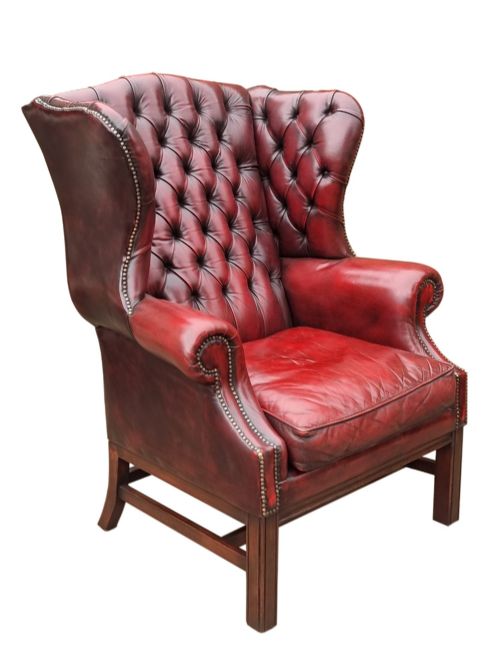
- Wing armchair
- An armchair with side panels mounted to the back frame to shield the sitter from drafts. These pieces often feature deep leather upholstery and substantial wooden legs.
Large Leather Chesterfield: Frequently Asked Questions
How do I care for antique leather?
Maintain the hide by applying appropriate leather balms periodically to prevent drying and cracking. Avoid placing the piece in direct sunlight or near heat sources.
Dust regularly with a soft, dry cloth. Keep the environment stable in humidity to preserve both the leather and the underlying wooden frame.
Are these sofas comfortable for daily lounging?
These pieces were built with generous proportions and deep padding to accommodate extended sitting. The firm support of traditional buttoning offers a distinct feel compared to modern foam cushions.
Over decades, the internal fillings settle to conform to the body. Many find the deep seats ideal for relaxing.
How can I tell a Victorian chesterfield from a later copy?
Examine the construction methods visible underneath and behind the upholstery. Hand-carved timber frames, traditional joinery, and natural wear patterns indicate older periods.
Victorian examples typically utilise heavy timbers like mahogany or oak paired with hand-stitched horsehair or wool stuffing. Modern reproductions often betray their age through uniform machine fastenings and synthetic fillings.
What is the difference between a library stool and a footstool?
Library stools were traditionally proportioned for grand rooms and often featured deeper buttoning and robust wooden legs. They served as versatile movable seats rather than mere footrests.
Footstools tend to be lower and were designed primarily to support the feet while seated in an armchair. Both share the substantial leather upholstery characteristic of the style.