

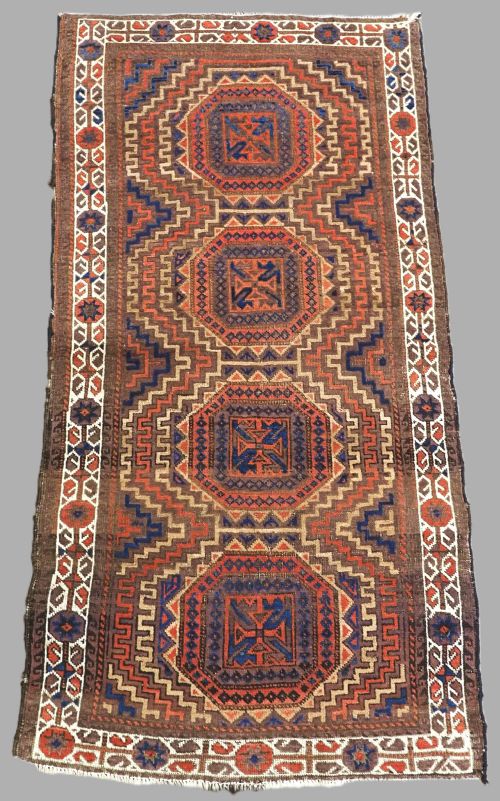
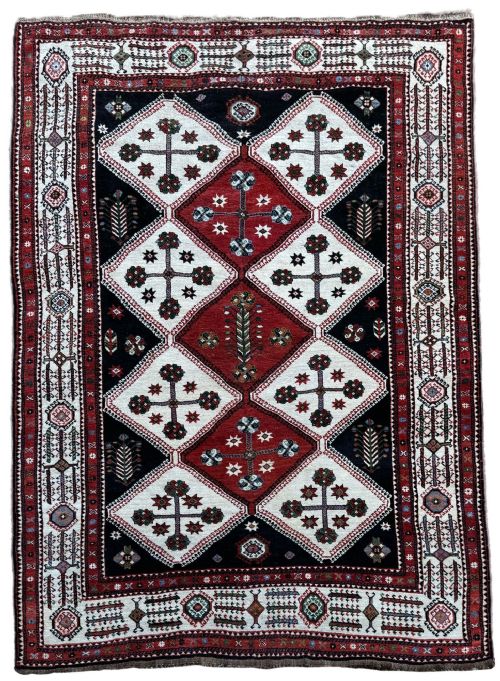
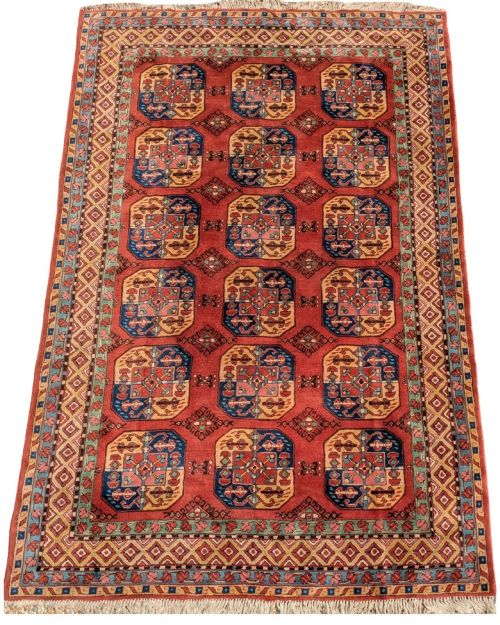
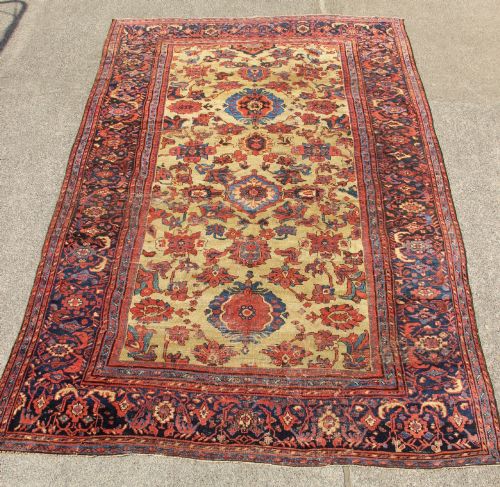
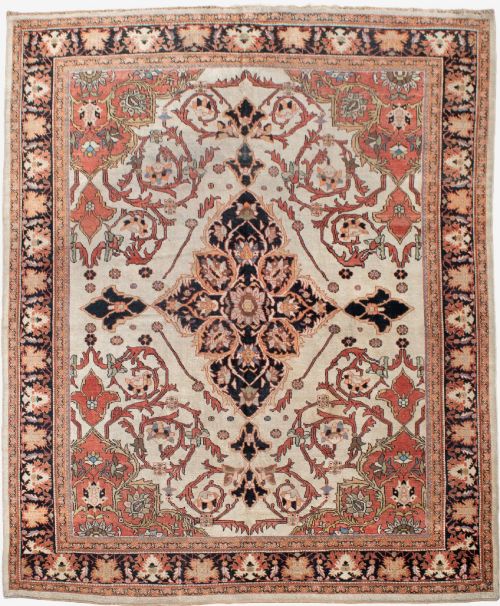
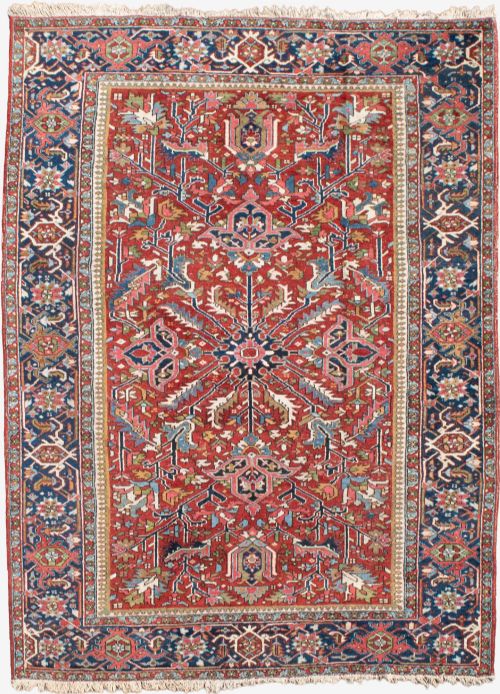

Large Hand Knotted Carpet
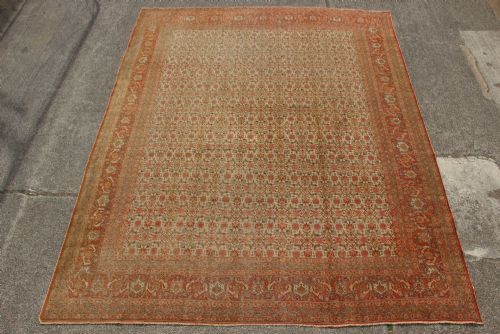
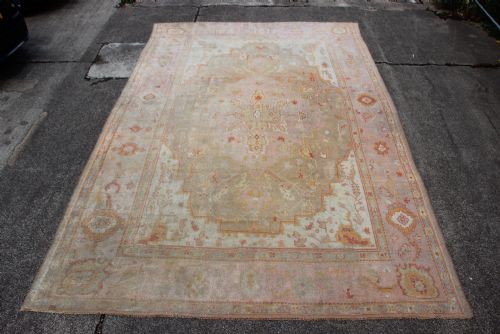
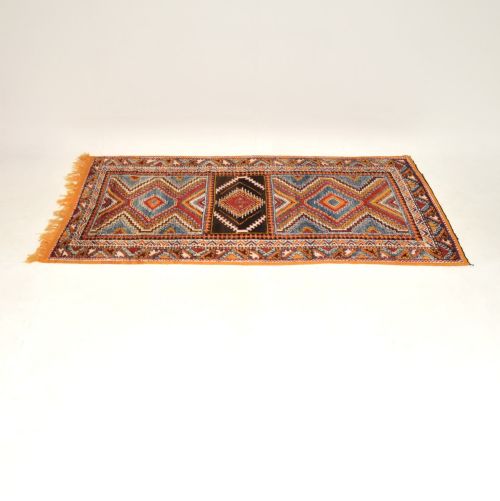
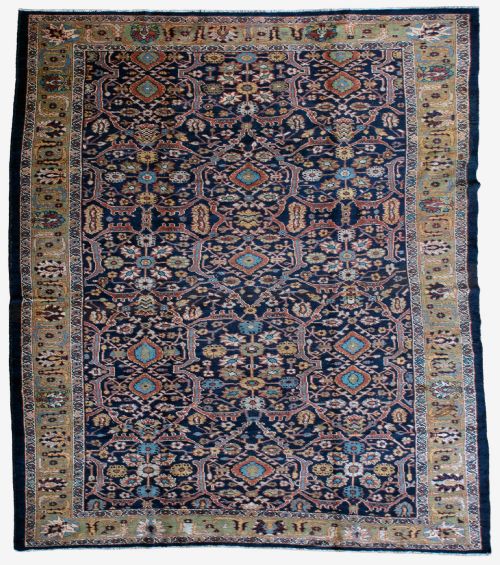
A large hand knotted carpet anchors a room with dense botanical or geometric work woven entirely by hand.
Large Hand Knotted Carpet
A large hand knotted carpet provides substantial floor coverage through centuries-old weaving traditions originating in Persia and surrounding regions. These expansive floor coverings arrive in room-sized formats suited to country houses and generous interiors, spanning the nineteenth and early twentieth centuries.
Buyers encounter substantial room-scale dimensions designed to anchor grand spaces, rendered in wool and cotton structures. The palette relies on natural dyes that soften gracefully across decades of gentle use.
Factors determining quality
Knot density and the precision of the repeating motifs distinguish finer village and workshop production from simpler utilitarian weaving. Tighter knotting allows for sharper delineation of intricate medallion and floral patterns across the field.
The choice of dyestuffs and the depth of the wool pile dictate the visual richness and tactile weight of the textile. Superior pieces retain balanced proportions and harmonious colour saturation from edge to edge.
Some nineteenth-century tribal weavers incorporated small intentional imperfections into their geometric repeats to ward off the evil eye.
Haji Jalili
The Large Hand Knotted Carpet Glossary
- Warp
- The vertical foundation threads stretched tightly on the loom before knotting begins. These longitudinal yarns form the fringe at either end of the finished textile.
- Weft
- The horizontal threads passed back and forth across the warp strings after each row of knots. This process secures the pile in place and determines the rigidity of the fabric.
- Medallion
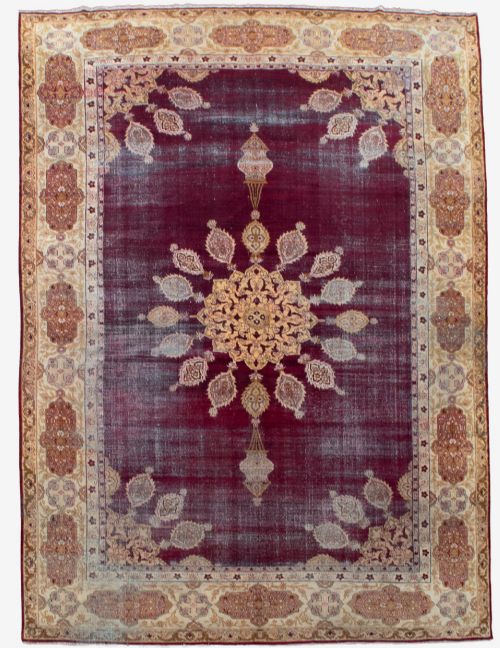
- The large central ornamental motif dominating the field of many traditional Persian carpets. This focal design often mirrors corner spandrels woven into the perimeter.
- Pile
- The vertical surface of cut yarn loops that forms the usable upper layer of the carpet. Wool pile provides both cushioning underfoot and protection for the structural foundation underneath.
- Gul
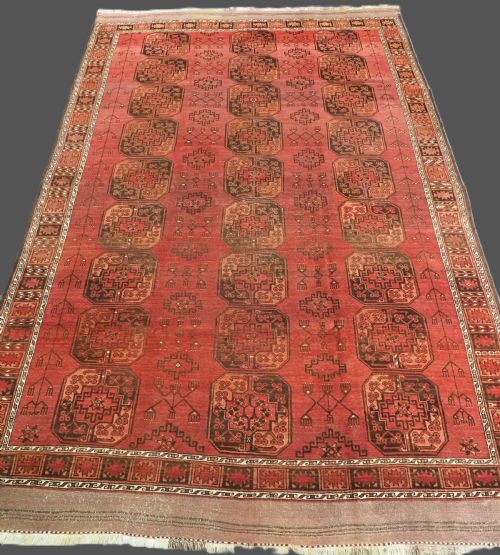
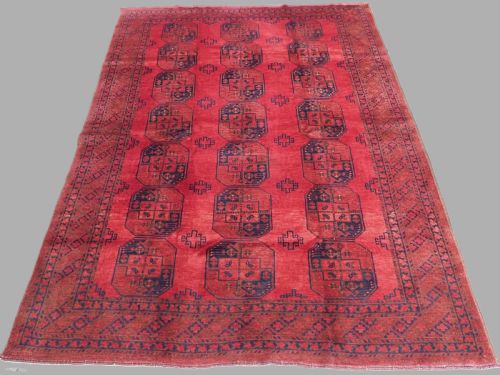
- An octagonal or geometric tribal motif repeated across Turkmen and Afghan carpets. Each distinct emblem often identifies the specific weaving clan or village of origin.
Large Hand Knotted Carpet: Frequently Asked Questions
Where were these carpets traditionally used?
Large room-sized carpets anchored formal reception spaces, drawing rooms, and country house interiors. Their substantial dimensions provided warmth and acoustic dampening over bare timber floors.
Today, these substantial textiles serve a similar purpose in contemporary open-plan homes, anchoring living areas and dining spaces with historic character.
How do I care for a historic wool carpet?
Regular gentle vacuuming without a rotating power brush removes embedded grit from the wool pile. Professional specialist cleaning ensures the natural dyes and lanolin remain protected over time.
Positioning the rug out of direct sunlight prevents uneven fading of the natural plant-based dyes across the field.
What is the difference between Heriz and Oushak styles?
Heriz carpets typically display bold, geometric medallion designs with sturdy structure and robust wool pile. They originate from north-west Persia and suit high-traffic interior settings.
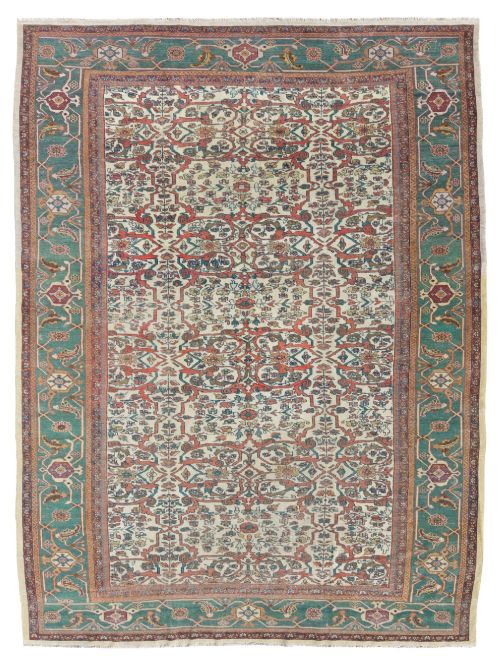
Oushak carpets feature softer, more expansive floral sprays and muted pastel or warm terracotta palettes. Their looser weave yields a more relaxed aesthetic.
How can I tell a tribal carpet from a town piece?
Tribal carpets like Ersari or Baluch examples rely on repeated geometric guls and memory-based designs rather than precise architectural blueprints. They often display charming asymmetries reflecting the weaver's personal expression.
Town workshop productions such as Tabriz or Kirman exhibit meticulous symmetry, refined curvilinear floral scrolls, and highly controlled botanical layouts.