



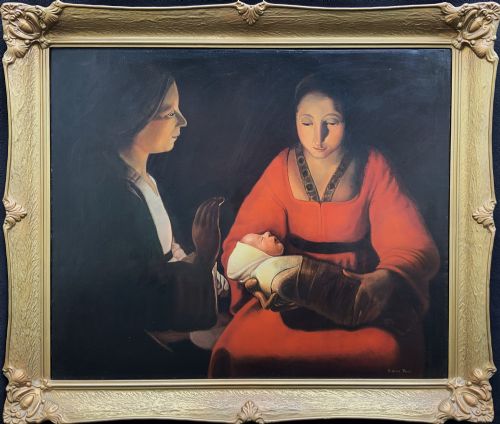
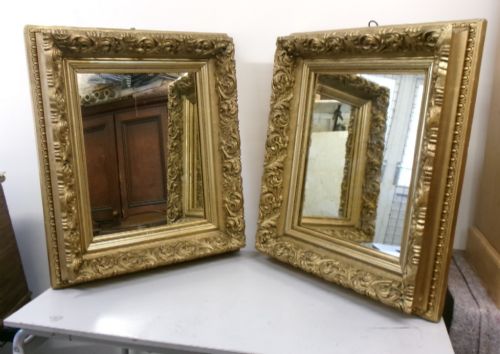

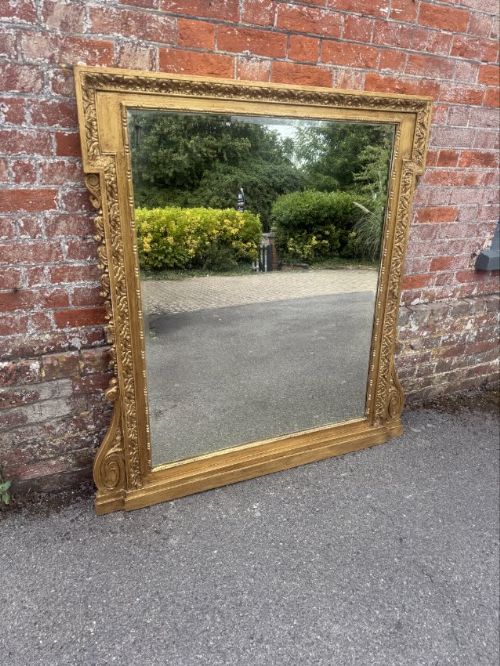
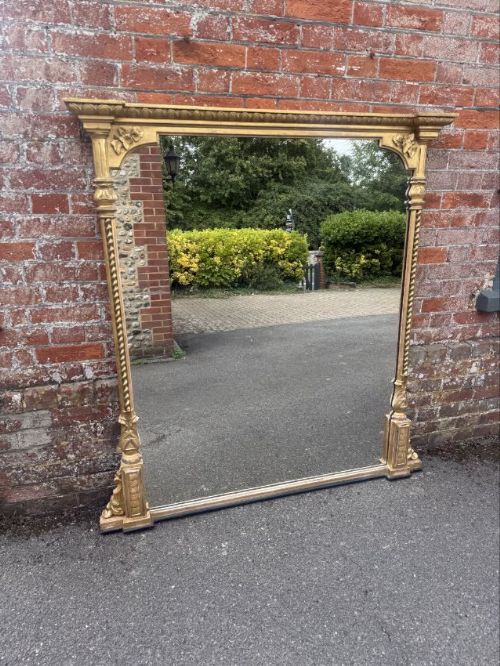
Large Gilt Wall Frame
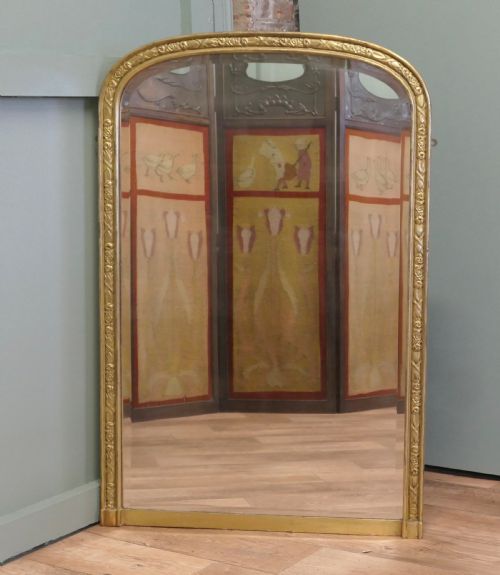
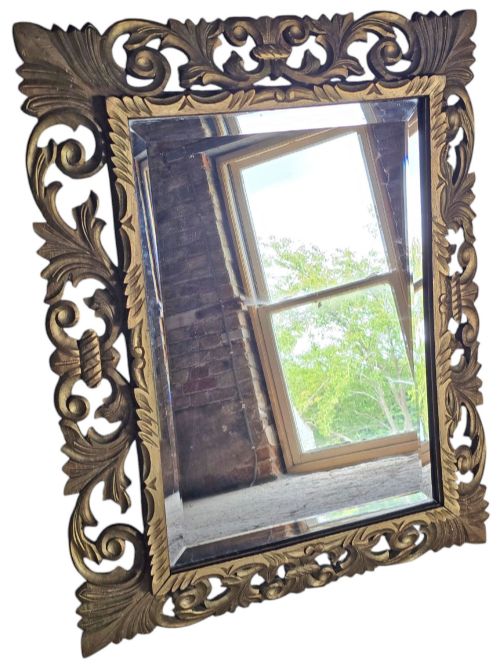
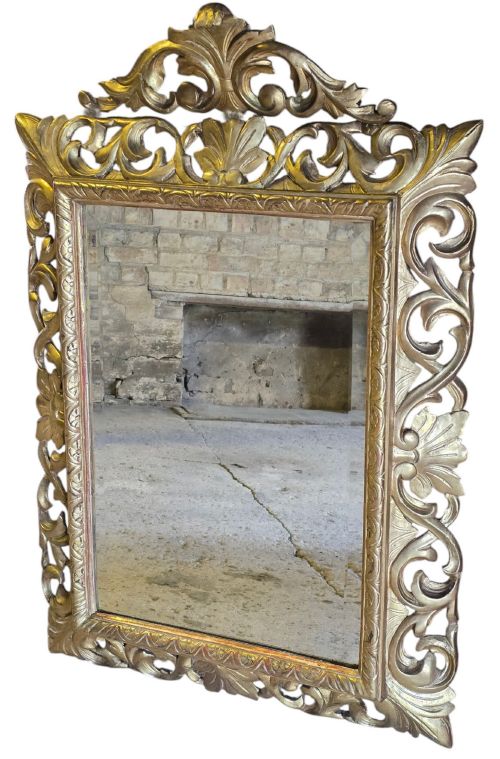
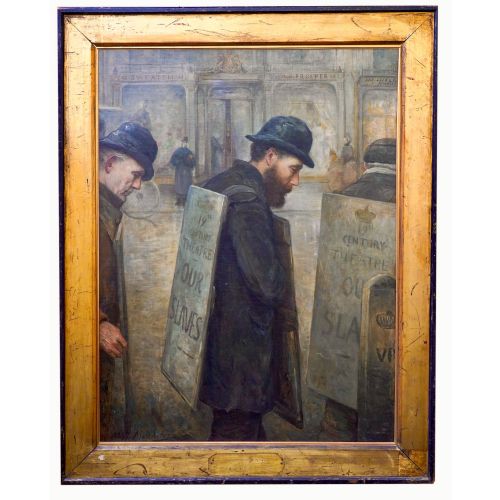
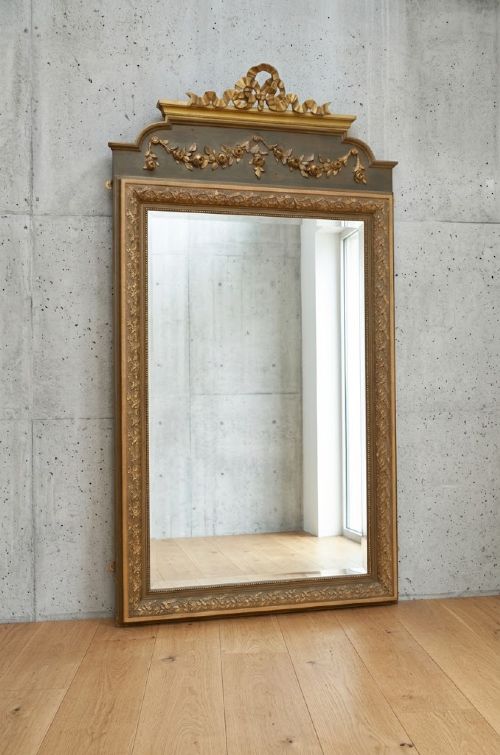
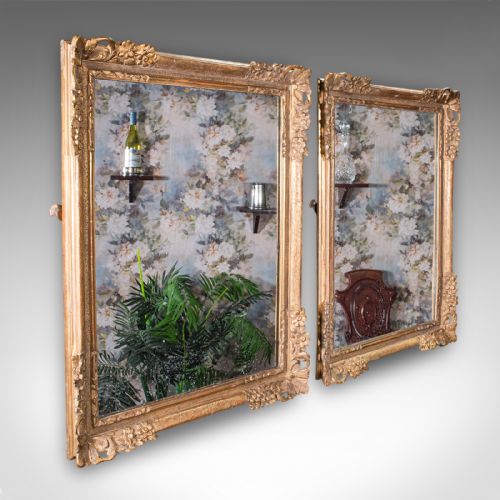
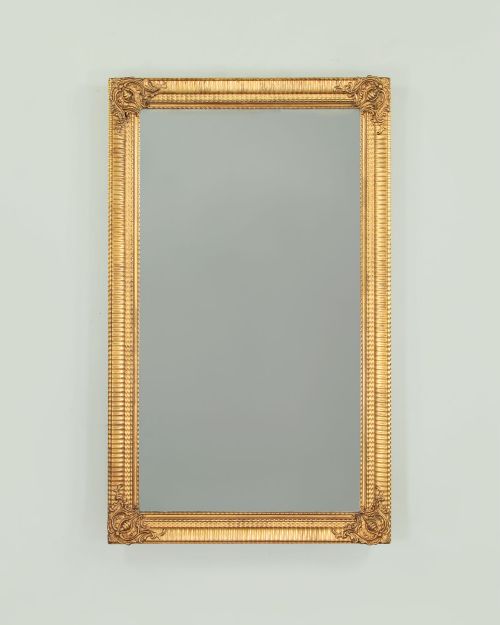
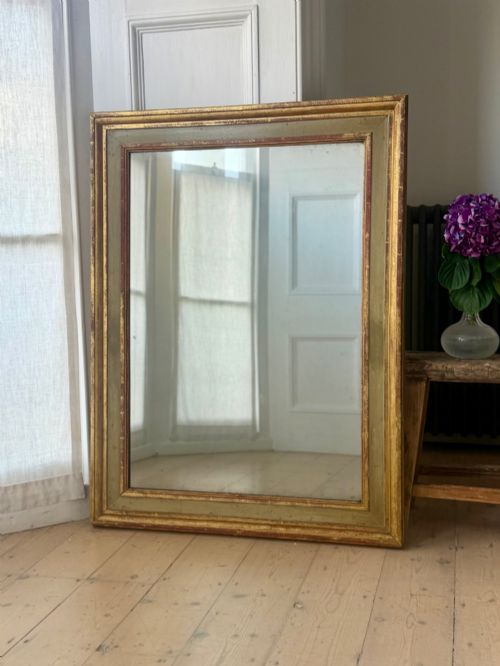
A large gilt wall frame commands a room through scale and light, housing substantial mirrors or oil paintings designed to anchor period interiors.
Large Gilt Wall Frame
When searching for a large gilt wall frame, buyers encounter monumental overmantle mirrors, grand oil paintings, and pier glasses spanning the eighteenth, nineteenth, and early twentieth centuries. These substantial pieces originate primarily from English and French workshops, encompassing styles from Georgian and Regency elegance to Victorian and Baroque revival grandeur.
The most common iterations on this page are nineteenth-century overmantle mirrors and tall wall mirrors featuring ornate carved wood and gesso ornamentation. French Louis Philippe and Florentine designs appear frequently alongside English arched-top and rope-twist framed variants, serving as statement items in drawing rooms and halls.
Beyond mirrors, the category includes framed portrait and landscape oil paintings, pastel equestrian studies, and trumeau mirrors incorporating pastoral canvas panels above the glass plate. These works demonstrate the versatile application of heavy gold leaf and giltwood surrounds across different domestic contexts.
How They Were Made
Carved timber foundations, typically softwoods or hardwoods, provide the structural core for these frames and mirrors, shaped by hand before receiving decorative enrichment. Artisans applied layers of gesso - a mixture of chalk and binder - directly onto the wood to create smooth surfaces suitable for intricate relief moulding.
Gold leaf or metallic gilding was then laid over the prepared gesso base, sometimes complemented by painted accents or ebonised details to heighten contrast. For the reflective components, early examples frequently utilise mercury glass or original heavy plates, occasionally showing characteristic foxing over time.
What Varies in Quality
The depth and crispness of the hand-carved gesso relief dictate much of the visual distinction between standard production and exceptional examples. Superior frames exhibit deeply undercut foliage, scrolls, and crestings rather than shallow, uniform moulding.
The integrity of the original gilding and the preservation of the underlying timber ground determine authenticity and long-term character. Pieces retaining their original mercury glass plates or untouched primary surfaces command greater appreciation among collectors than later restorations.
The Large Gilt Wall Frame Glossary
- Gesso
- A prepared mixture of chalk, gypsum, and glue used as a base for moulding and gilding on wooden frames. It allows artisans to carve intricate relief details before applying gold leaf.
- Overmantle Mirror
- A wide mirror specifically designed to hang above a fireplace mantelpiece. These pieces often feature horizontal proportions and elaborate crests to fill vertical wall space.
- Mercury Glass
- A type of silvered glass produced by pouring a liquid mercury amalgam between double-walled blown glass or backing flat plates. It creates a distinctive, cloudy reflectivity associated with nineteenth-century mirrors.
- Trumeau
- A decorative wall mirror featuring an oil painting or panel set into the upper section of the wooden frame. Originating in France, these pieces combine art and reflection within a single architectural unit.
- Pier Glass
- A tall, narrow mirror designed to hang on the wall space between two windows, known as the pier. They often match console tables and amplify natural light in period rooms.
Large Gilt Wall Frame: Frequently Asked Questions
What is foxed glass?
Foxed glass refers to the speckled, dark spots and oxidation that develop behind the silvering of antique mirror plates over decades. This natural ageing process creates a characteristic mottled appearance.
Many collectors prize original foxed mercury glass for the authentic historic atmosphere it imparts. It distinguishes period mirrors from modern replacements.
Can I place these frames in direct sunlight?
Direct sunlight accelerates the degradation of nineteenth-century gilding and can dry out underlying gesso and wood. Position large frames away from intense windows to preserve the metallic sheen.
Stable indoor humidity prevents the wooden substrate from warping and protects delicate carved crests from cracking. Gentle ambient light suits these pieces best.
How do I clean an antique gilt frame?
Dusting should be performed gently with a soft, dry ostrich feather brush to avoid dislodging fragile gesso relief work. Liquid cleaners and chemical solvents must be avoided entirely.
Water or commercial polishes strip historic gold leaf and damage the underlying composition. Professional conservators should handle any deep cleaning or structural consolidation.