





Vintage Picture Moulding
Vintage picture moulding brings architectural depth and period character to walls, housing oil paintings, mirrors, and tiles in richly ornamented surrounds.
Vintage Picture Moulding
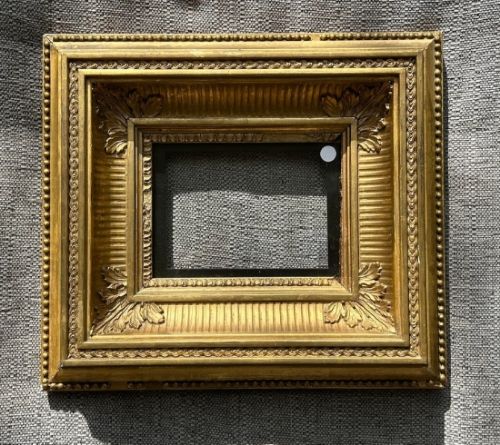
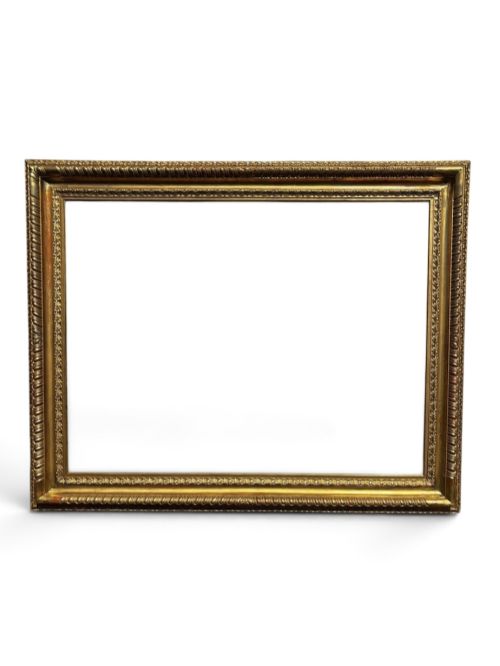
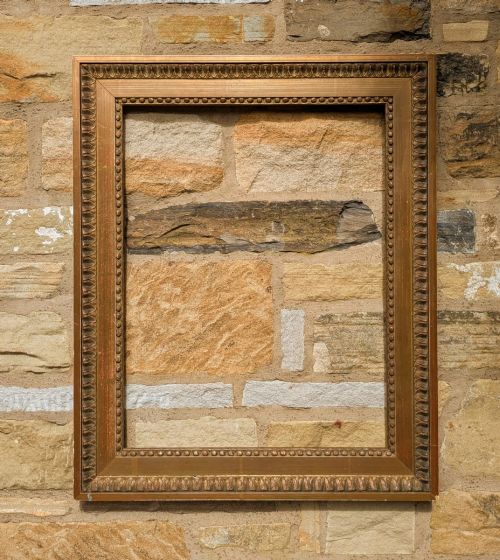
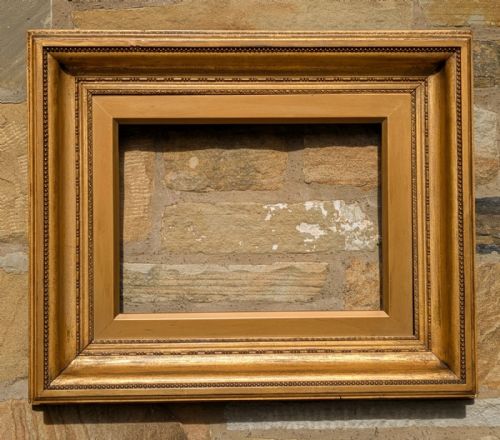
Buyers frequently encounter picture frames, framed artwork, and wall mirrors constructed with giltwood or silver gilt finishes. The selection ranges from heavy Victorian gilt frames to plaster tabernacle frames and antique leather housings, reflecting diverse interior tastes over centuries.
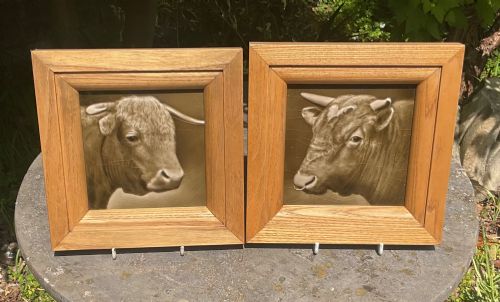
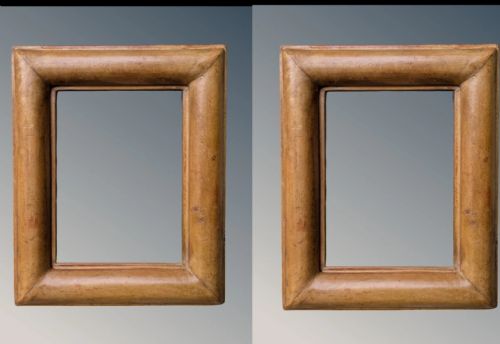
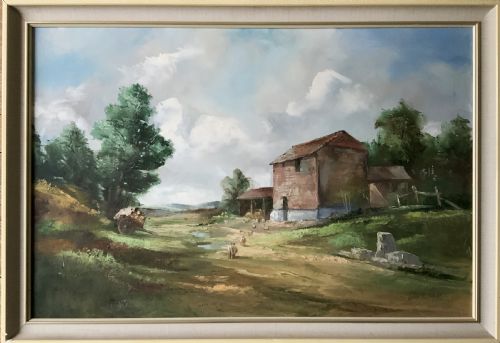
The category bridges functional wall decor and fine art presentation, accommodating everything from pastels and mixed media paintings to ceramic tiles. Pieces originating from British traditions sit alongside continental examples, offering varied scales and depths for residential display.
Materials and construction
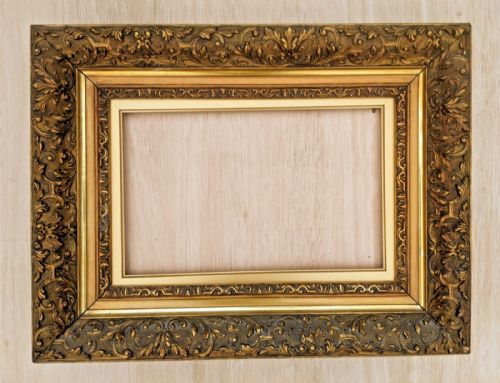
Makers built the foundational structure of vintage picture moulding from timber, shaping the wood into distinct profiles through cutting and joining techniques. Many examples incorporate applied gesso, a plaster mixture used to create raised ornamentation and intricate surface relief before gilding.
Surfaces were frequently finished with gold leaf or silver gilt to achieve a reflective metallic sheen that enhanced candlelight or gas lighting in period interiors. Some specialised pieces integrated alternative materials like leather, glass, and ceramic elements into the framing design.
Vintage Picture Moulding Retail Price Guide 2026
Typical asking prices for vintage picture moulding among the pieces listed under this phrase on Sellingantiques today, from the lower quarter to the upper quarter. They describe what is for sale here now, not the wider market.
Materials recorded across the inventory include wood, gesso, gold leaf, glass, leather, and ceramic tiles.
Evaluating quality in moulding and frames
Quality rests in the crispness of the moulded detail, where hand-finished gesso ornament exhibits sharp edges and deep relief rather than soft, indistinct contours. Superior examples demonstrate precise joinery at the corners and harmonious proportions between the width of the moulding and the aperture.
The integrity of the surface finish dictates value, with genuine gold leaf ageing through a warm, mellow oxidation compared to modern metallic paints. Original gilding retaining its base bole layers shows depth and authenticity that mechanical applications lack.
Sherwin & Cotton·John Hobson Nicholson·Jack R Mould
The Vintage Picture Moulding Glossary
- Gesso
- A plaster-like material applied to wood frames and smoothed or carved to form raised decorative motifs before gilding.
- Giltwood
- Wood that has been coated with gold leaf or thin gold paint to give a luxurious metallic appearance.
- Egg and dart
- An ornamental banding motif consisting of an alternating pattern of oval shapes and pointed arrowheads.
- Tabernacle frame
- An architectural frame style resembling a small temple or shrine, featuring pilasters and a pediment.
Vintage Picture Moulding: Frequently Asked Questions
How do I hang a heavy antique frame safely?
Heavy frames require robust wall fixings secured directly into studs or masonry rather than standard plasterboard plugs. Professional mirror plates screwed into the sturdy wooden carcass distribute the weight evenly.
Ensure the hanging wire or chain is rated well above the actual weight of the piece. Period frames often benefit from professional D-rings fitted securely into the side rails.
Can I change the artwork inside vintage moulding?
Many vintage frames house canvases, panels, or boards held in place with traditional glazier's points or wooden slips. Swapping artwork is usually straightforward if the dimensions match the rebate depth.
Take care not to damage fragile gesso corners or disturbed backboards when removing older fasteners. Consulting a professional framer is recommended for valuable or delicate historical pieces.
What distinguishes Victorian moulding from Edwardian styles?
Victorian moulding tends to be heavier, darker, and more exuberantly ornate, often utilising deep relief gesso and rich gilt finishes to project domestic opulence. Pieces from this era frequently feature classical revival motifs or heavy beading.
Edwardian framing generally shifts toward lighter proportions and simpler profiles, reflecting changing interior aesthetics that favored brighter, airier spaces. Art Nouveau influences also introduced flowing, organic lines during the transition between these periods.