

Large Gilt Frame
A large gilt frame anchors a room with golden warmth, housing grand mirrors and oil paintings across centuries of craftsmanship.
Large Gilt Frame
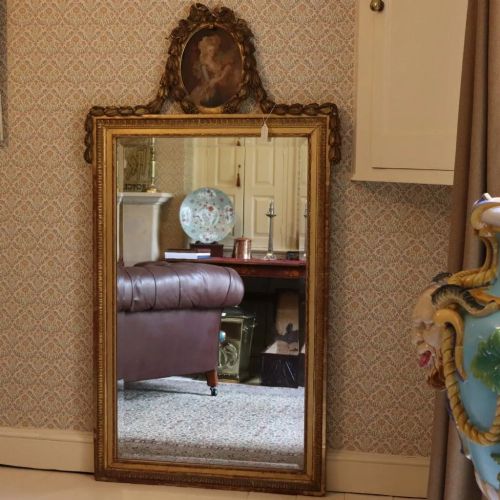
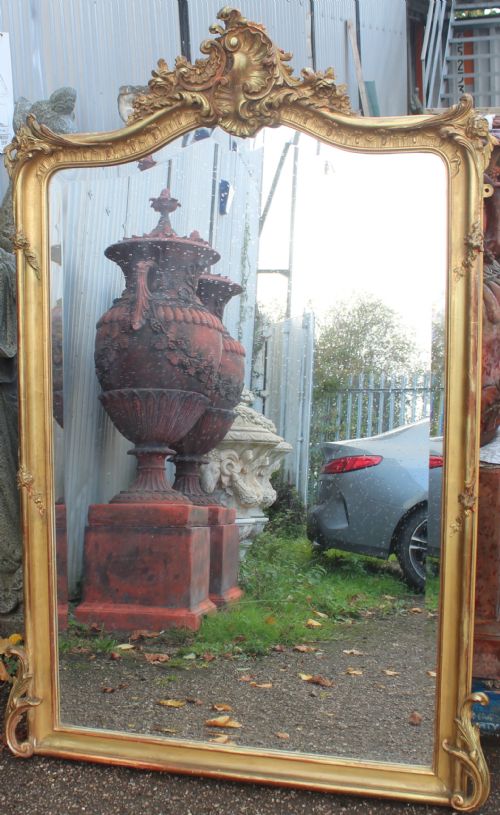
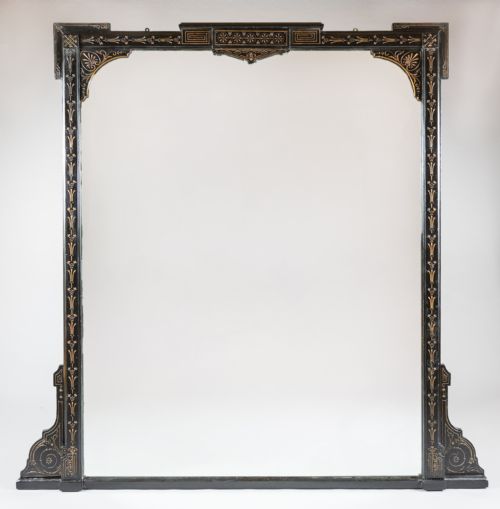
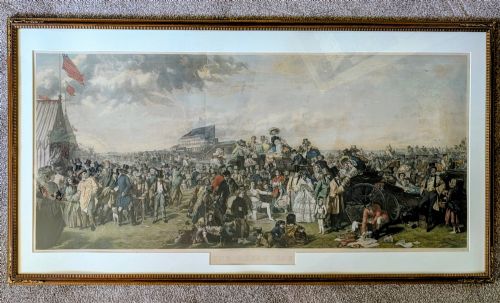
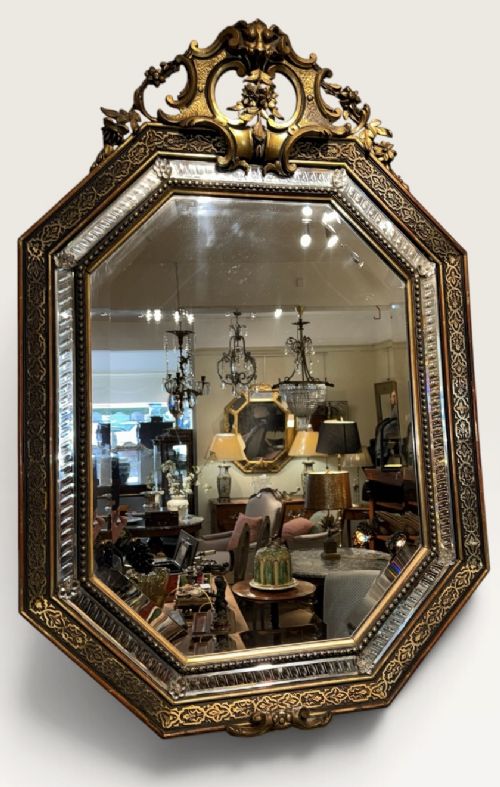
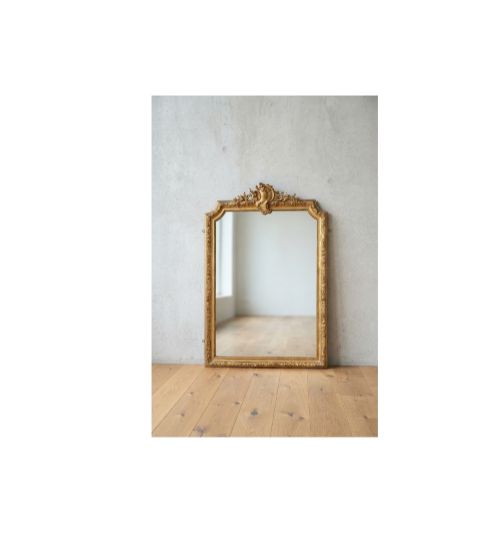
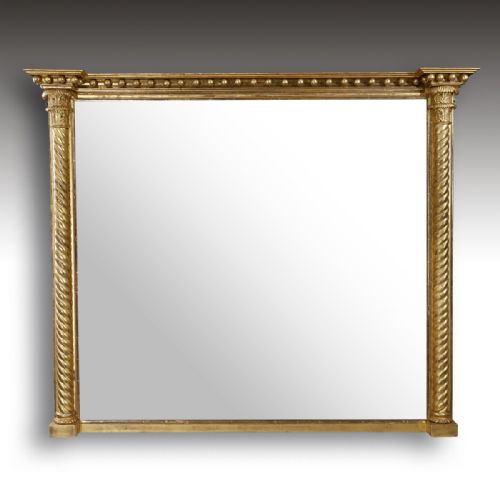
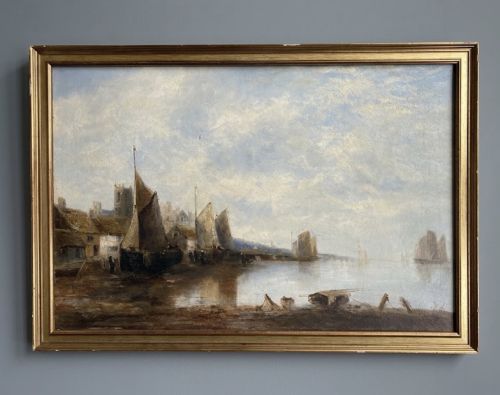
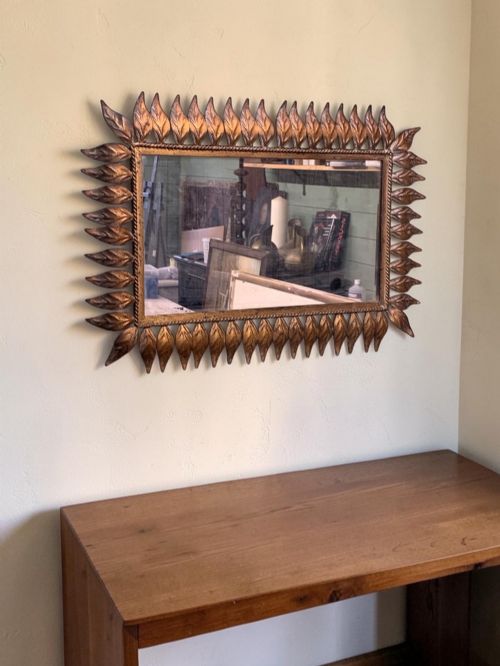
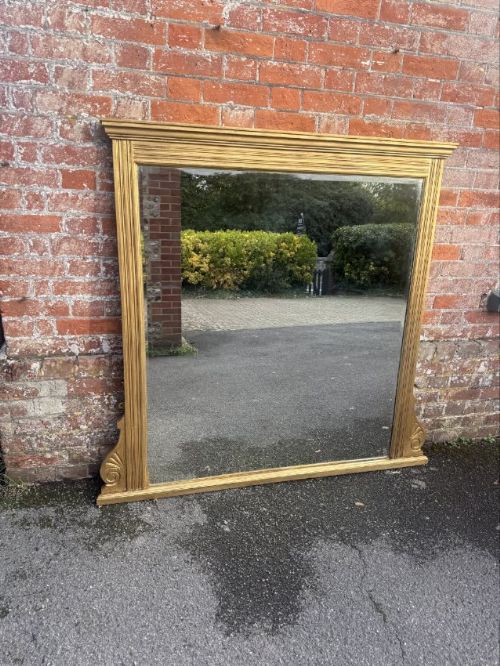
When searching for a large gilt frame, buyers encounter substantial decorative boundaries designed to elevate mirrors and oil paintings. These pieces function as statement items, traditionally hung above mantelpieces or used as full-height floor mirrors.
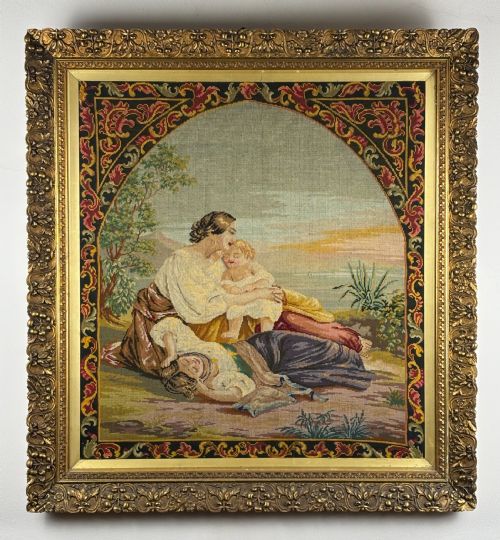
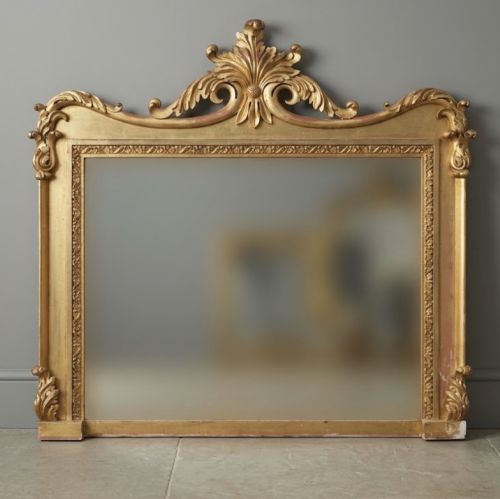
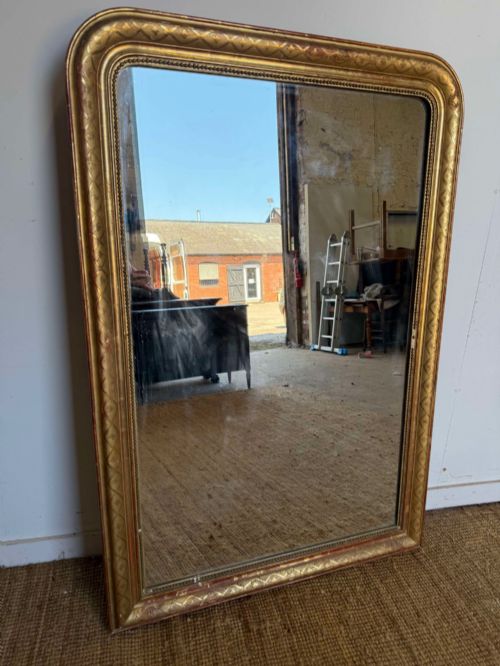
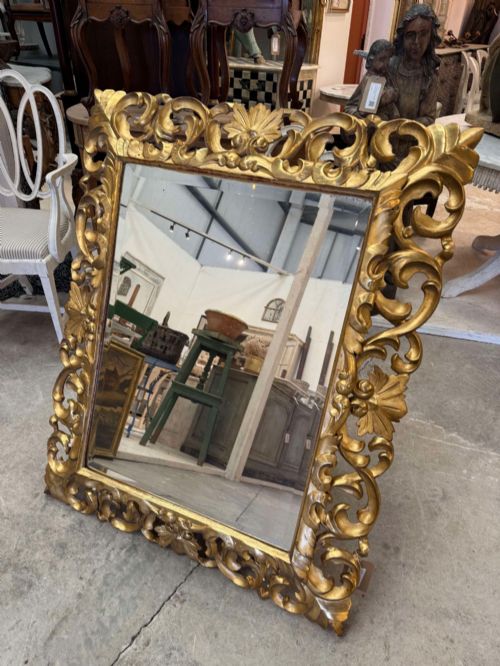
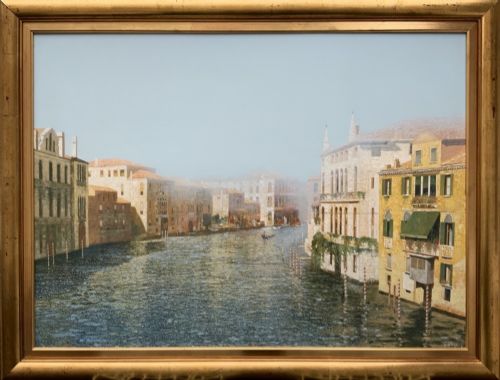
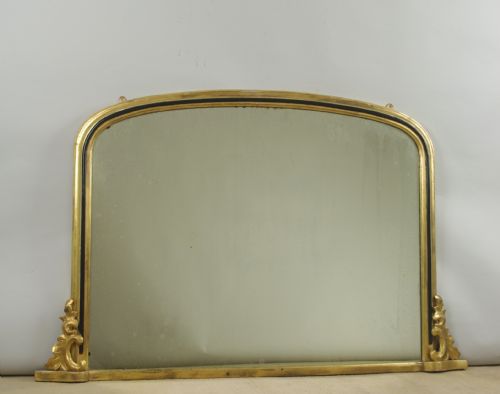
The selection on this page leans heavily toward nineteenth-century English and French examples. Overmantel mirrors and oil paintings dominate the inventory, showcasing styles from Victorian and Regency periods to Louis Philippe and Florentine designs.
How They Were Made
Carved wood provides the primary structural foundation for these pieces. Artisans shaped timber bases before applying successive layers of gesso to create smooth surfaces for ornamentation.
Gold leaf or liquid gold finish coats the gesso and carved elements to achieve the characteristic metallic sheen. Master craftspeople manipulated wood and plaster to produce intricate rope twists, arched tops, and ornate crests.
Large Gilt Frame Retail Price Guide 2026
Typical asking prices for large gilt frame among the pieces listed under this phrase on Sellingantiques today, from the lower quarter to the upper quarter. They describe what is for sale here now, not the wider market.
Listings feature eighteenth, nineteenth, and early twentieth-century periods, including Victorian, Regency, and Louis Philippe styles.
What Varies in Quality
Depth and crispness of the carving distinguish exceptional examples from simpler work. Hand-carved wooden details retain sharper edges and greater relief than moulded plaster substitutes.
The integrity of the original gilding and the condition of the glass plate influence overall standing. Mercury glass with natural foxing indicates age, while substantial timber construction ensures structural endurance.
Richard Sebastian Bond·Felix Stone Moscheles·Sir Joshua Reynolds·William Powell Frith·Thomas Smythe·Charles Nosotti
The Large Gilt Frame Glossary
- Gesso
- A plaster mixture applied to wood surfaces as a base for gilding. It allows carvers to achieve fine detail before applying gold leaf.
- Overmantel Mirror
- A large mirror specifically proportioned to hang above a fireplace mantel. These pieces frequently feature horizontal orientations and arched or shaped tops.
- Giltwood
- Timber that has been coated with gold leaf or gilt. This material forms the primary structure of many antique decorative frames.
- Mercury Glass
- A type of double-walled silvered glass produced in the nineteenth century. It often develops characteristic dark spots known as foxing over time.
- Trumeau
- A decorative wall mirror paired with an oil painting or panel above the glass. These French pieces were traditionally fitted into wall panelling.
Large Gilt Frame: Frequently Asked Questions
How do I hang a heavy overmantel mirror safely?
Heavy antique mirrors require secure wall fixings anchored directly into masonry or structural studs. Professional mirror hangers utilise heavy-duty brackets to support the substantial weight of carved wood and glass.
Ensuring the hanging wire or strap matches the heft of the frame prevents accidental slips. Wall placement should also account for the clearance above the fireplace mantel.
What is the difference between an overmantel and a wall mirror?
Overmantel mirrors are specifically engineered to sit horizontally above fireplaces, reflecting the width of the hearth below. Standard wall mirrors typically feature vertical orientations suitable for general room placement.
Both forms share similar giltwood and gesso construction methods from the nineteenth century. The proportions of an overmantel remain wider to balance the mantelpiece architecture.
How should I clean antique gilt frames?
Dusting antique gilt surfaces requires a very soft, dry brush to protect delicate gesso and gold leaf. Moisture and modern chemical cleaners damage the thin metallic layers and historical finishes.
Gentle maintenance preserves the integrity of nineteenth-century carved wooden details. Professional conservators should handle major repairs or flaking gilding.
How can I date an antique gilt frame?
Stylistic cues such as Regency neoclassical lines, Victorian proportions, or Louis Philippe rounded top corners help establish age. Material evidence like hand-carved wood versus later composition ornament also indicates the period of production.
Backboards, fixings, and the presence of original mercury glass provide further chronological markers. Comparing construction techniques reveals whether a frame belongs to the eighteenth, nineteenth, or early twentieth century.