

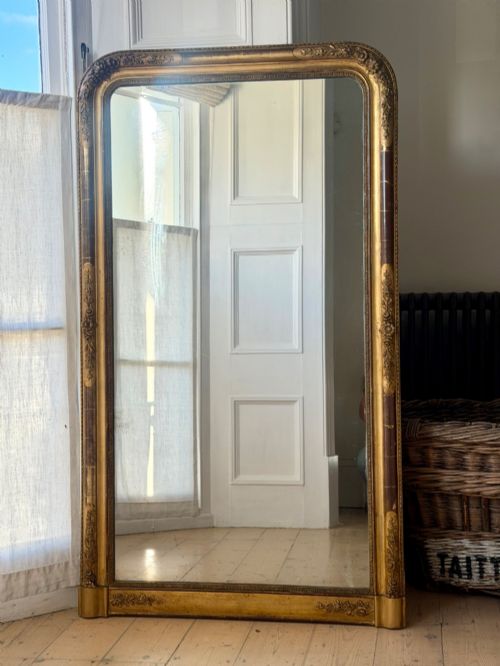
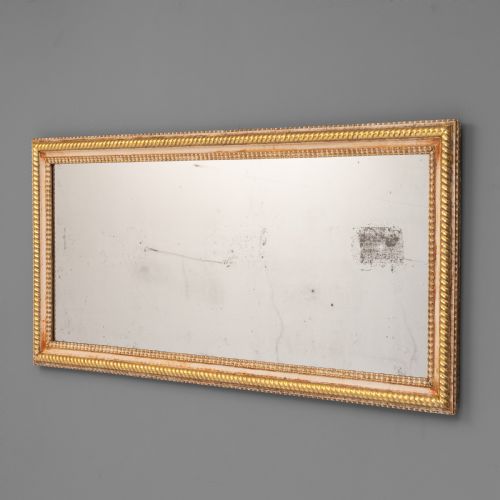
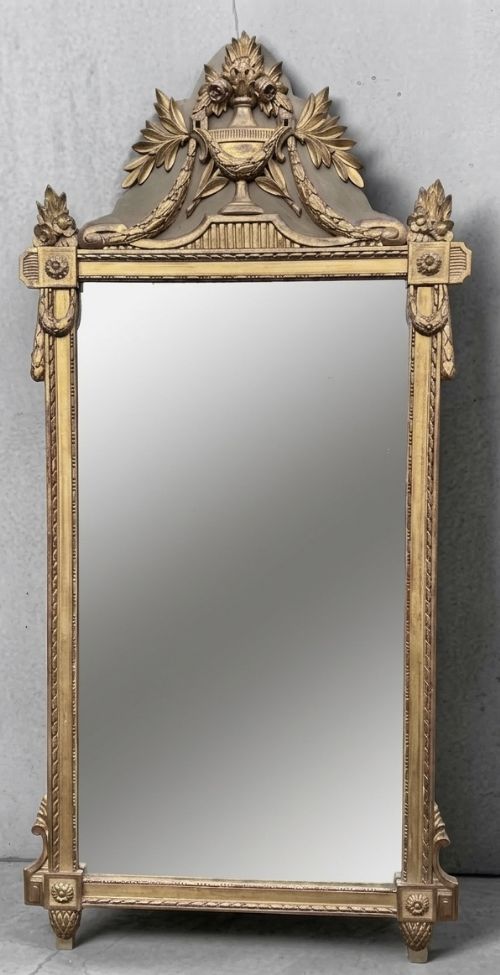
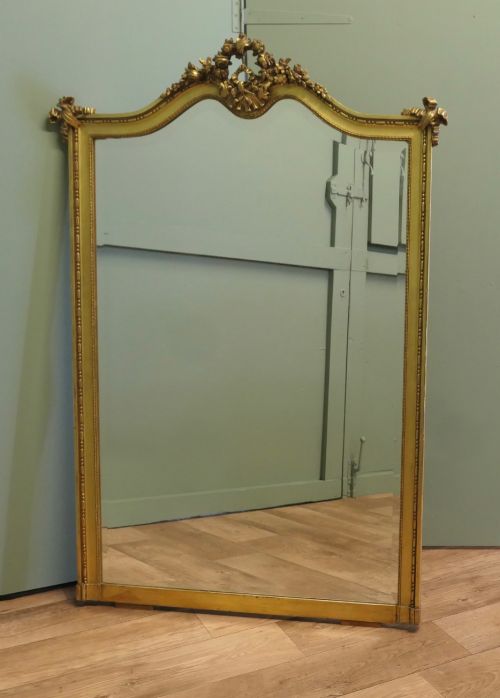
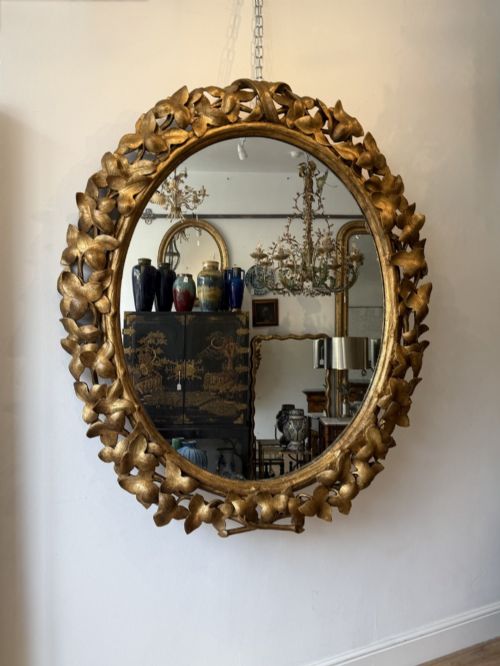
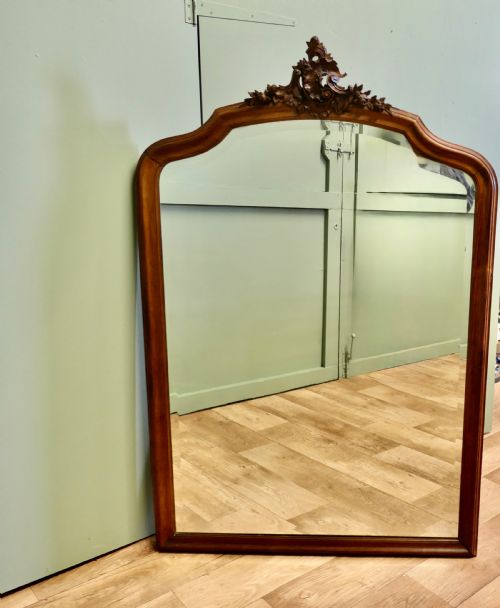
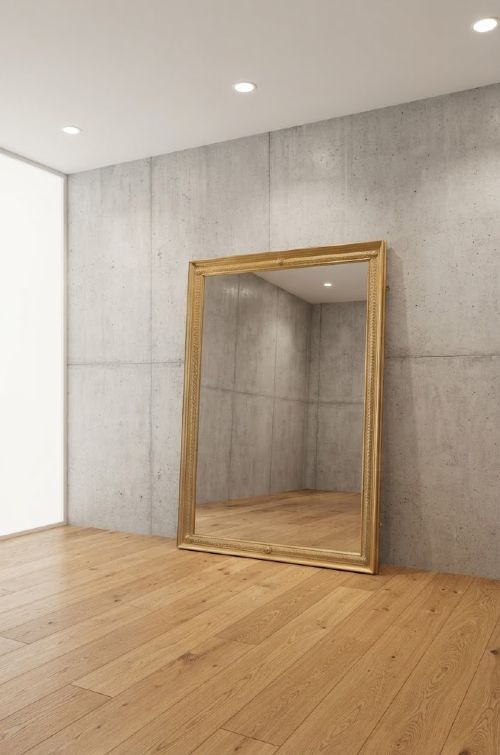
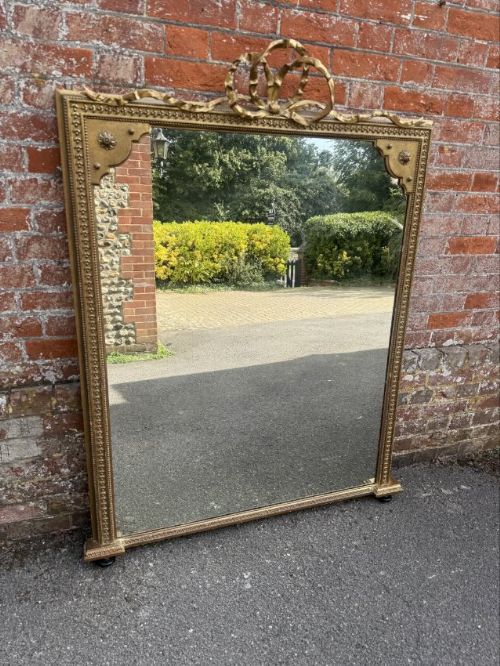


Large French Hall Mirror
A large french hall mirror brings scale and light to an interior, reflecting architectural detail and expanding the perceived dimensions of an entrance.
Large French Hall Mirror
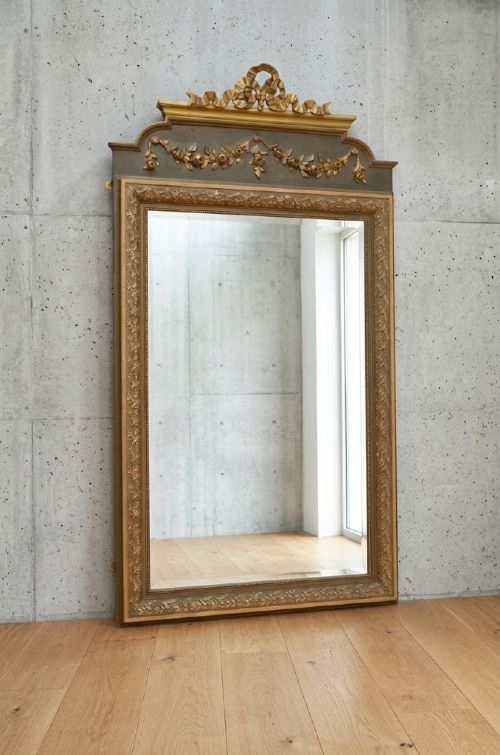
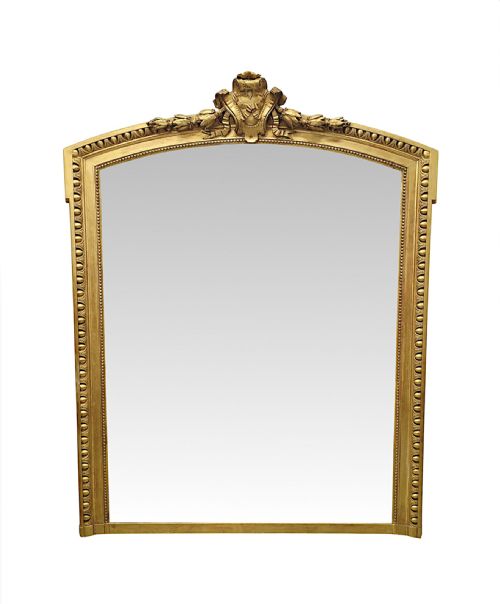
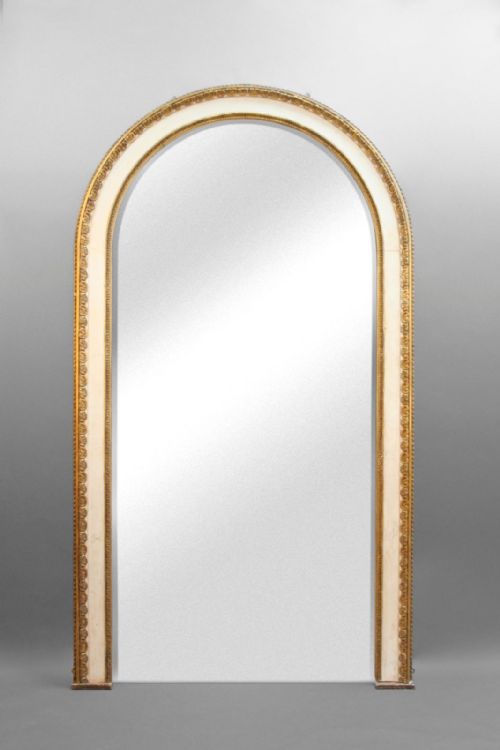
A large french hall mirror serves as a monumental focal point in an entryway or hallway, fulfilling both a practical function and a decorative role. These pieces encompass substantial wall-hanging designs, pier mirrors meant for narrow wall spaces between doors, and overmantel formats adapted for grand spaces.
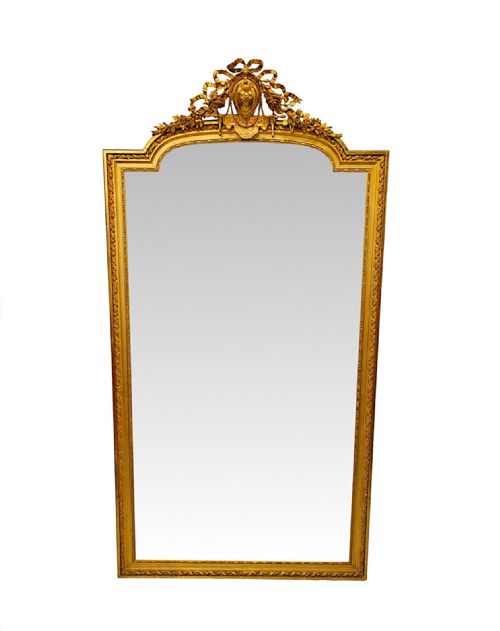
Most examples encountered here originate from the nineteenth century, spanning periods from the reign of Napoleon III through the Belle Époque. Makers often drew upon styles such as French Louis Philippe, Rococo Revival, and Neoclassical, incorporating arched tops, floral motifs, and ribbon crests.
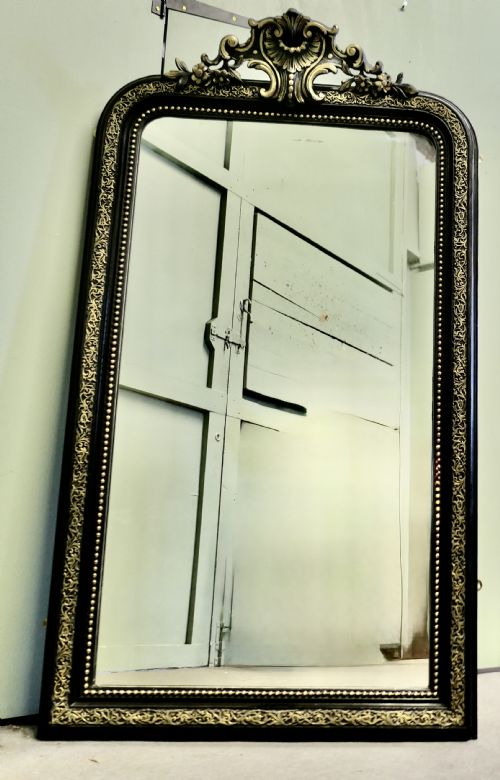
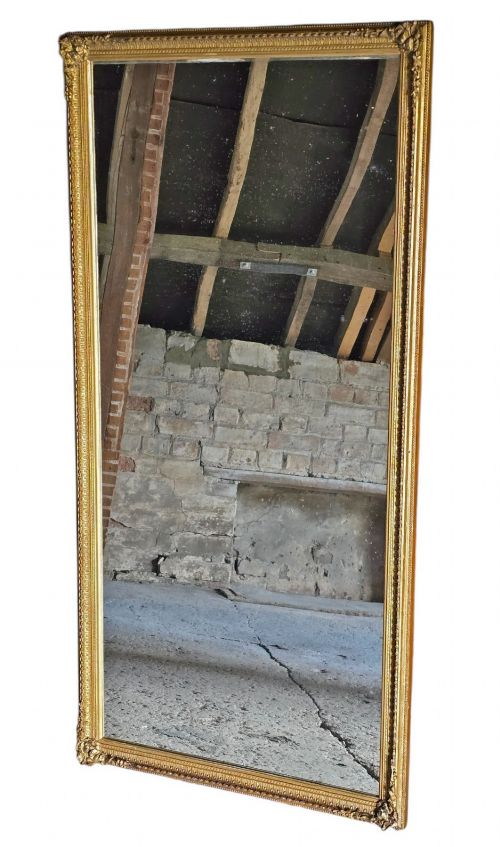
Forms vary from giltwood frames adorned with carved details to painted wood, ebonised finishes, and alternative materials like faux bamboo. Buyers frequently select these substantial objects to anchor high-ceilinged rooms and reflect natural daylight through tall glass plates.
How they were made
Carved timber frames form the structural backbone of these mirrors, utilising woods such as oak, chestnut, and pine. Artisans applied layers of gesso to the wooden substrate to create smooth surfaces capable of holding intricate, low-relief ornamentation.
Gilding techniques involved applying gold leaf or paint over the prepared gesso ground, sometimes combined with black or olive green painted finishes. Mirrored glass plates, occasionally featuring original bevels, were set into the frames from the rear.
Large French Hall Mirror Retail Price Guide 2026
Typical asking prices for large french hall mirror among the pieces listed under this phrase on Sellingantiques today, from the lower quarter to the upper quarter. They describe what is for sale here now, not the wider market.
Several mirrors include clever portmanteau designs that secretly combine a tall looking glass with hooks for hats and coats.
What varies in quality
The crispness and depth of the carved woodwork and gesso ornamentation dictate the visual impact of the frame. Skilled hands achieved subtle definition in floral swags, ribbons, and central cartouches, whereas lesser examples display softer, moulded composition details.
The integrity of the reflective plate matters significantly, as original mirrored glass often shows foxing, distortion, or age spots that denote authenticity. Furthermore, the retention of original gilding and structural joins without excessive repair distinguishes superior specimens.
Nosotti
The Large French Hall Mirror Glossary
- Gesso
- A plaster-like mixture applied to wood frames to provide a smooth base for gilding or painting. Artisans moulded this substance to create raised decorative motifs.
- Giltwood
- Timber that has been coated with gold leaf. This technique provides a luminous metallic finish popular in formal nineteenth-century interior design.
- Pier Mirror
- A tall glass designed specifically to hang on the narrow wall space between two windows. These mirrors often feature elongated proportions to maximise light reflection.
- Cartouche
- An ornamental framed panel resembling a rolled-up scroll or shield. It frequently appears at the crest or centre of large mirrors as a focal decorative element.
- Overmantel Mirror
- A wide looking glass originally created to sit directly above a fireplace mantelpiece. Their horizontal or grand proportions suit expansive wall spaces.
- Foxing
- Age-related spots and discoloration within the silver backing of older mirror glass. Collectors often value this natural patination as proof of great age.
Large French Hall Mirror: Frequently Asked Questions
Where should I hang a large french hall mirror?
These tall mirrors suit entrance halls, stair landings, and principal reception rooms where high ceilings accommodate their generous vertical proportions. Positioning them opposite a window maximises the distribution of natural daylight.
Ensure the wall construction supports substantial weight, as nineteenth-century wooden frames combined with thick glass plates require heavy-duty fixings for secure wall mounting.
How do I care for antique giltwood frames?
Dust the carved surfaces gently with a soft, dry brush to prevent the accumulation of dirt within the intricate gesso and leaf details. Avoid applying water, chemical sprays, or abrasive cleaners directly onto the gilded finish.
Keep the mirror away from direct heat sources and damp environments to protect the underlying wooden substrate and prevent the gesso from cracking or lifting.
Are the mirror plates original?
Many nineteenth-century pieces retain their original glass plates, which frequently exhibit minor foxing, subtle distortions, and age-related speckling. Some examples feature replacement glass installed during the lifespan of the mirror to update clarity.
Examining the depth and backing of the glass helps determine whether the plate dates to the original period of the frame's construction.